Key Takeaways
ASEAN diplomacy in Malaysia seeks to end the deadly Thailand-Cambodia border conflict. Learn about historical context, stakeholder demands, and policy implications for regional stability.
Market Introduction
South East Asian ASEAN diplomacy commenced crucial talks in Malaysia on Monday, aiming to de-escalate the deadly Thailand-Cambodia border conflict. This high-level diplomatic engagement seeks to revive a previously brokered ceasefire, highlighting the urgent need for regional stability and underscoring the complexities inherent in such political impasses.
For News Readers and Policy Watchers, these discussions underscore the delicate balance of regional security and the profound challenges in resolving long-standing territorial disputes. The efficacy of ASEAN as a mediating body faces a significant test amid the escalating hostilities, demanding balanced political analysis.
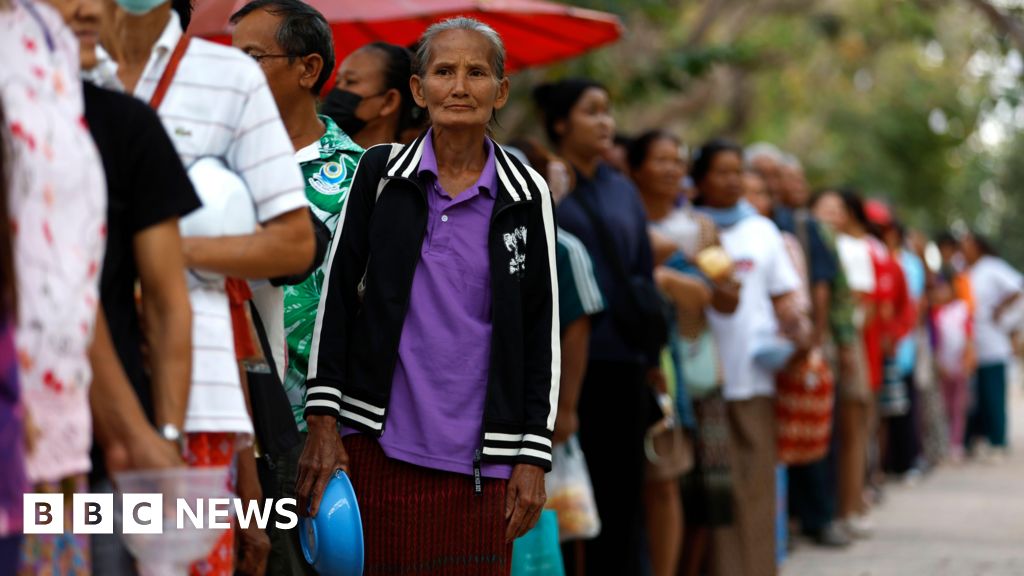
The conflict has tragically resulted in at least 41 fatalities and displaced close to one million people, making it the worst internal dispute among ASEAN member states since the bloc’s inception in 1967. Fighting resumed on December 8, marking a serious blow to regional stability.
This article delves into the historical context of the conflict, the perspectives of key stakeholders, and the broader policy implications for the Southeast Asian region, examining the immediate diplomatic efforts and their potential long-term impacts.
Data at a Glance
| Metric | Context/Event | Value/Date | Significance |
|---|---|---|---|
| Fatalities | Since conflict escalation | 41+ | Direct human cost of hostilities |
| Displaced Persons | Due to conflict | ~1 Million | Significant humanitarian crisis |
| Ceasefire Brokered | Initial attempt | July | By Malaysia (Asean Chair) and US President Donald Trump |
| Hostilities Resumed | Latest escalation | 8 December | Triggered renewed diplomatic efforts |
In-Depth Analysis
The enduring border dispute between Thailand and Cambodia, fundamentally rooted in the ambiguous demarcation lines drawn after the French occupation of Cambodia over a century ago, represents a deep-seated and recurring geopolitical challenge for the Southeast Asian region. This historical grievance provides critical context to the renewed hostilities, which violently escalated on December 8, drawing immediate regional and international concern. For News Readers and Policy Watchers, understanding these intricate historical precedents is not merely academic; it is essential to grasp the complexities underlying the current diplomatic impasse and the formidable challenges facing regional stability mechanisms. The Association of Southeast Asian Nations (ASEAN), a bloc founded in 1967 with the ambitious mandate to foster regional peace, stability, and economic cooperation through diplomatic channels and consensus-building, now faces arguably its most severe internal conflict since its inception. This situation tests the very foundational principles of ASEAN’s efficacy and its credibility as a dispute resolution body capable of managing tensions among its own member states. The recent clashes, characterized by intense artillery exchanges across the shared 800-kilometre border and targeted air strikes launched by Thailand against Cambodian positions, underline the persistent fragility of peace despite previous high-level diplomatic interventions. Furthermore, the burgeoning involvement of major external powers, notably the United States and China, introduces an additional layer of geopolitical complexity, reflecting the broader strategic stakes and competing influences in a region vital for global trade and security. This current escalation, following a brief and ultimately failed ceasefire, underscores the profound difficulties in overcoming historical animosities and achieving genuine, lasting reconciliation, presenting a significant challenge to the region’s collective security framework.
Monday’s high-stakes meeting in Malaysia, marking the first direct engagement between senior Thai and Cambodian officials since the latest wave of fighting resumed, serves as a crucial barometer for assessing the potential success of renewed diplomatic efforts. Malaysia, leveraging its experience as the immediate past chair of ASEAN, had previously played a pivotal role in brokering a fragile ceasefire in July, a diplomatic feat notably achieved alongside the then US President Donald Trump. However, that agreement proved short-lived, highlighting the deep mistrust and unresolved issues that continue to fuel the conflict. The current dialogue in Kuala Lumpur, therefore, aims not just to reinstate a ceasefire but to embed it with greater durability, although significant hurdles remain. Cambodia has articulated its position with clear diplomatic language, advocating strenuously for a peaceful resolution through dialogue and the restoration of “peace, stability and good neighbourly relations,” emphasizing multilateral engagement. In stark contrast, Thailand has established clear preconditions for substantive negotiations, primarily demanding an unequivocal declaration of a “genuine and sustained” ceasefire from Cambodia before progressing to broader discussions. This fundamental disparity in immediate expectations and procedural demands between the two nations complicates the path forward, as each country assigns blame to the other for initiating and perpetuating the fresh hostilities. The devastating human cost of this renewed conflict, with at least 41 fatalities and a staggering close to one million individuals displaced from their homes, places immense moral and political pressure on all parties involved to urgently prioritize human safety and security over entrenched territorial claims. This humanitarian crisis further amplifies the urgency of effective political analysis and policy intervention for News Readers and Policy Watchers.
The current Thailand-Cambodia conflict distinguishes itself as the most severe and prolonged internal dispute among ASEAN member states since the association’s formation over five decades ago. This unprecedented strain on regional cohesion directly challenges the very essence of ASEAN’s diplomatic traditions, which are historically predicated on principles of non-interference in internal affairs, consensus-building, and fostering a shared regional identity. The association’s struggle to effectively contain this intra-bloc conflict independently has not only diminished its perceived institutional strength but has also significantly lowered its international standing as a unified and potent regional actor. The vacuum created by ASEAN’s internal difficulties has, predictably, drawn the attention and intervention of major global powers, with both the United States and China actively seeking to mediate a resolution. The recent engagement of US Secretary of State Marco Rubio, who reportedly held a direct phone call with his Thai counterpart, alongside China’s special envoy for Asian affairs, Deng Xijun’s, high-profile visit to Phnom Penh, unequivocally demonstrates the international community’s profound recognition of the conflict’s broader geopolitical implications. Beyond the immediate humanitarian crisis, the escalation threatens the stability of vital Southeast Asian sea lanes and trade routes, impacting global supply chains. The direct involvement of these powerful external actors not only highlights ASEAN’s current limitations in managing complex internal conflicts autonomously but also potentially sets a concerning precedent for future interventions in other regional disputes, raising questions about the future autonomy and effectiveness of regional governance in Southeast Asia.
[Suggested Matrix Table: Comparison of Thailand-Cambodia Conflict Phases with ASEAN Credibility and International Involvement]
For News Readers and Informed Citizens, the unfolding developments in the Thailand-Cambodia border conflict carry profound implications that extend far beyond the immediate battle lines. The resolution, or continued escalation, of this dispute will directly shape regional stability, significantly impact humanitarian aid efforts, and serve as a critical test of the credibility and effectiveness of key international and regional diplomatic bodies. Policy Watchers and Political Analysts, in particular, should meticulously monitor the progress and specific outcomes of these ongoing ASEAN-led negotiations. Key indicators to scrutinize include any formal agreement on a renewed and verifiable ceasefire, the tangible commitment to the withdrawal of military forces from disputed zones, and the establishment of robust, internationally supported monitoring and verification mechanisms. Furthermore, close attention must be paid to the nuances of Thailand’s steadfast demands for a “genuine and sustained” ceasefire and Cambodia’s consistent emphasis on peaceful means and good neighbourly relations, as these divergent approaches could either facilitate or impede progress. Failure to secure a lasting and comprehensive peace settlement could lead to a protracted period of instability, exacerbating an already dire humanitarian crisis and potentially inviting even greater, perhaps more entrenched, involvement from external powers. This scenario would further complicate the already intricate geopolitical landscape of Southeast Asia, creating lasting repercussions for regional security. Conversely, a successful and durable resolution would not only bring much-needed peace to the affected populations but would also significantly reaffirm the strength and resilience of ASEAN diplomacy, setting a powerful positive precedent for future conflict resolution efforts across the diverse and dynamic region. Monitoring the ongoing dialogue between the US and China, as well as their respective engagements with Thailand and Cambodia, will be crucial in understanding the broader geopolitical pressures at play.
About the Author