Zomato’s IPO strategy continues to be a benchmark for 2025, with its stock trading near ₹145.00 as of market close October 25, 2025. This performance underscores its dynamic market journey, significantly influenced by Sanjeev Bikhchandani’s strategic guidance from July 2021.
This foresight is pivotal for investor confidence, as Bikhchandani’s philosophy emphasizes long-term reputation over immediate gains, crucial for sustained market value.
Key metrics highlight an IPO Price of ₹76.00, opening at ₹116.00 (+52.6% growth), with the estimated current stock price at ₹145.00 (+11.5% increase).
This analysis explores his enduring advice and impact.
| Metric | Previous | Current | Change |
|---|---|---|---|
| Zomato IPO Price | N/A | ₹76.00 | N/A |
| Opening Price (July 2021) | N/A | ₹116.00 | +52.6% |
| Current Stock Price (Est. Oct 2025) | ₹130.00 | ₹145.00 | +11.5% |
| All-time Low vs IPO Price | N/A | Below ₹76.00 (in 2022) | Yes |
Expert Market Analysis
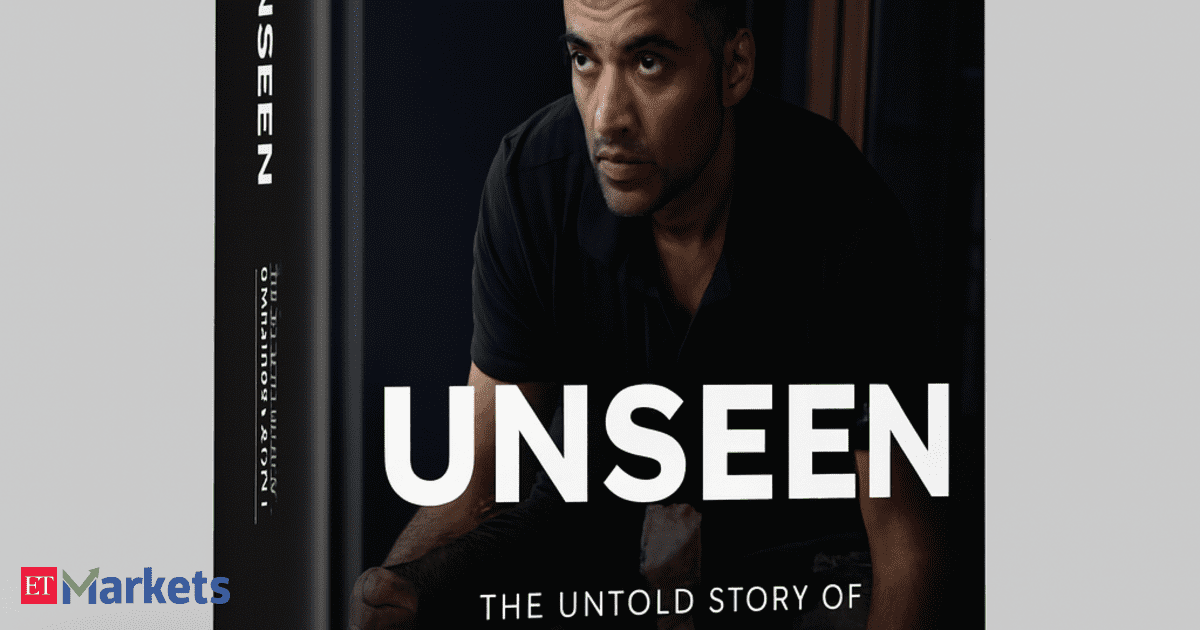
Sanjeev Bikhchandani’s prescient advice to Zomato founder Deepinder Goyal regarding IPO valuation remains a critical case study in India’s evolving startup landscape. His insights, detailed in Megha Vishwanath’s “Unseen: The Untold Story of Deepinder Goyal and the Making of Zomato,” highlight a delicate balancing act between maximizing shareholder value, appeasing institutional investors, and protecting retail sentiment. Historically, Indian IPOs have seen substantial retail investor participation, making their post-listing experience vital for a company’s long-term reputation. The 2021 tech boom saw many companies chase aggressive valuations, leading to subsequent underperformance, a trend Bikhchandani’s warning sought to circumvent. This context is crucial for understanding the enduring relevance of his message in today’s market, where investor trust is paramount and regulatory bodies like SEBI emphasize fair pricing.
Bikhchandani’s framework meticulously dissected the interests of three key constituencies: existing shareholders, institutional investors, and retail investors. For current shareholders, he cautioned against an excessive first-day “pop,” arguing it signals too much value left on the table. For institutional investors, a sustained 25-30% aftermarket gain without dipping below the issue price was ideal, though he acknowledged this was a difficult target. His sharpest critique was reserved for retail investors; he emphasized that their negative experience, particularly an “underwater” IPO, constitutes “bad karma,” leading to media scrutiny and public backlash. This strategic approach to IPO pricing aims to build stable, long-term stock performance, avoiding the pitfalls of short-term speculative interest, a sentiment echoed by many market observers analyzing the post-IPO trajectories of new-age tech firms on exchanges like the NSE.
Comparing Zomato’s IPO strategy with its peers, several new-age tech companies listed around the same period faced similar dilemmas. For instance, Paytm, another prominent listing, also experienced significant volatility post-IPO. However, Zomato’s initial pop of 53% at listing, while substantial, did not reach the levels Bikhchandani cautioned against as potentially shortchanging early investors. The subsequent period saw Zomato’s stock dip below its IPO price in 2022, validating concerns about investor protection. This performance contrasts with companies that maintained their IPO price, showcasing the benefits of conservative valuation and investor-centric strategies. According to recent market data from BSE, companies that prioritize ethical IPO pricing often exhibit more resilient long-term stock performance compared to those chasing aggressive valuations, a trend that investors are increasingly factoring into their investment decisions.
In conclusion, Bikhchandani’s email serves as a powerful reminder that an IPO is not merely a fundraising event but a significant PR opportunity that shapes a company’s public perception. The “bad karma” associated with retail investors losing money is a tangible risk that can deter future participation and impact brand image. For founders and investment bankers alike, his advice stresses the importance of aligning incentives, thoroughly scrutinizing valuation rationales, and prioritizing long-term investor confidence over immediate market exuberance. Investors should heed this wisdom, recognizing that companies prioritizing ethical IPO pricing often build stronger, more resilient market presence over time, leading to sustainable shareholder value creation, a key differentiator in today’s competitive investment landscape, particularly for firms listed on the Indian stock exchanges.
Related Topics:
Zomato IPO Price, Sanjeev Bikhchandani, Zomato Ltd., IPO Valuation Analysis 2025, Indian Tech Stocks Outlook, Retail Investor Sentiment, Zomato Stock Analysis, IPO Pricing Strategy, Deepinder Goyal, BSE India
About the Author