Key Takeaways
Nadhim Zahawi’s defection to Reform UK follows a rejected peerage bid. Analyze the impact on UK government, party policy, and future elections.
Overview
The recent political landscape in the UK witnessed a significant shift with Nadhim Zahawi’s defection to Reform UK, a move that followed his rejection for a peerage by the Conservative party. This development underscores the volatile nature of parliamentary politics and the evolving allegiances within the UK government.
For news readers and political analysts, this event provides crucial insights into internal party dynamics and potential realignments ahead of future elections. It highlights the challenges faced by established parties and the appeal of alternative political movements.
Zahawi, sacked as Tory chair in 2023 over tax affairs, let his Conservative membership lapse in December before officially joining Reform UK on Monday. This timeline underscores the rapid changes in political affiliations.
The analysis below delves into the historical context of such defections, their policy implications, and the broader stakeholder perspectives shaping the current UK political dynamics.
Detailed Analysis
Nadhim Zahawi, a prominent figure who served in various ministerial roles under Boris Johnson and as Chancellor, has long been a fixture in UK parliamentary politics. His sacking as Conservative party chair in 2023 by Rishi Sunak, following a breach of the ministerial code over undeclared tax investigations, marked a pivotal moment in his career. This historical context of accountability and ethical standards within government is crucial for understanding the Conservative party’s reluctance to grant him a peerage. Such rejections, while often private, reveal the party’s internal criteria for political honours, particularly in light of public scrutiny and the need to maintain trust in government institutions. Zahawi’s subsequent decision to let his party membership lapse in December, just weeks before his defection to Reform UK, illustrates a growing dissatisfaction within certain political circles regarding mainstream party direction and current policy approaches. This trend of high-profile defections, though not unprecedented, often signals deeper structural issues within established political parties and can influence the broader electoral landscape.
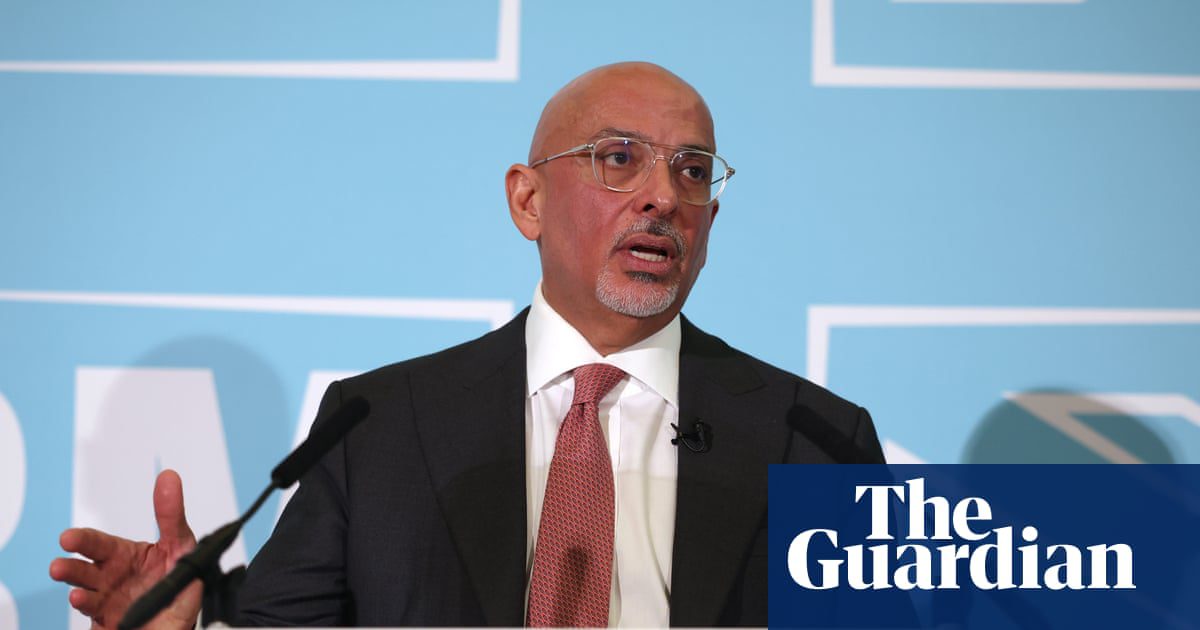
Tory sources explicitly confirmed that Zahawi’s repeated requests for a seat in the House of Lords were rejected due to his prior dismissal over tax affairs. This refusal highlights the party’s cautious stance on political appointments, aiming to mitigate potential public relations damage and uphold a perceived standard of conduct for those entering Parliament. Zahawi’s announcement as Reform UK’s most senior former Tory recruit was accompanied by claims of Britain being on the brink of “civil unrest” and a call for a “glorious revolution” led by Nigel Farage. This rhetoric immediately drew scrutiny, particularly concerning his past criticisms of Farage, including a 2015 tweet labeling Farage’s comments as “offensive and racist.” Zahawi defended Farage at a press conference, asserting he would not join if he believed Farage held racist views. This detailed examination reveals complex political calculations, where personal convictions appear to be weighed against strategic alliances and perceived national necessity, influencing the trajectory of government and political discourse.
Zahawi’s defection offers a significant comparison to other instances of politicians shifting allegiance in the UK, often driven by disillusionment with existing party policy or leadership. While less common for such a senior former minister, it mirrors a broader trend of fracturing political consensus, particularly on issues Zahawi cited like “freedom of speech,” “high taxes,” and the “big state.” Reform UK, seeking to bolster its credentials as a serious contender, strategically leverages such high-profile figures to gain expertise in government operations and attract donations. This move contrasts sharply with the Conservative party’s narrative, which dismissed Reform as a “repository for disgraced politicians.” The timing, weeks after the latest political honours list, suggests a calculated decision. Such events impact the perception of parliamentary stability and the integrity of the political process. [Suggested Matrix Table: Comparison of Conservative vs. Reform UK stances on key policy areas (e.g., Taxation, State Intervention, Immigration) with Zahawi’s stated concerns as reference points.]
For News Readers, this defection illuminates the ongoing drama and shifting loyalties within UK politics. Policy Watchers should monitor how Zahawi’s presence influences Reform UK’s policy development and its articulation of alternative government strategies, especially regarding economic and social policies. Informed Citizens can gain a deeper understanding of the motivations behind such political moves and the challenges faced by leaders to maintain party discipline and public trust. Political Analysts will scrutinize the potential electoral impact on the Conservative party and the wider electoral landscape, particularly in the context of upcoming general elections. This development underscores the fluidity of political alliances and the continuous pressure on established parties to adapt to evolving voter sentiments and the emergence of new political forces in the UK political dynamics.
About the Author