Key Takeaways
Prosecutor seeks death for ex-President Yoon Suk Yeol over martial law. Understand implications for South Korean politics, governance, and judicial precedent for global democracy.
Overview
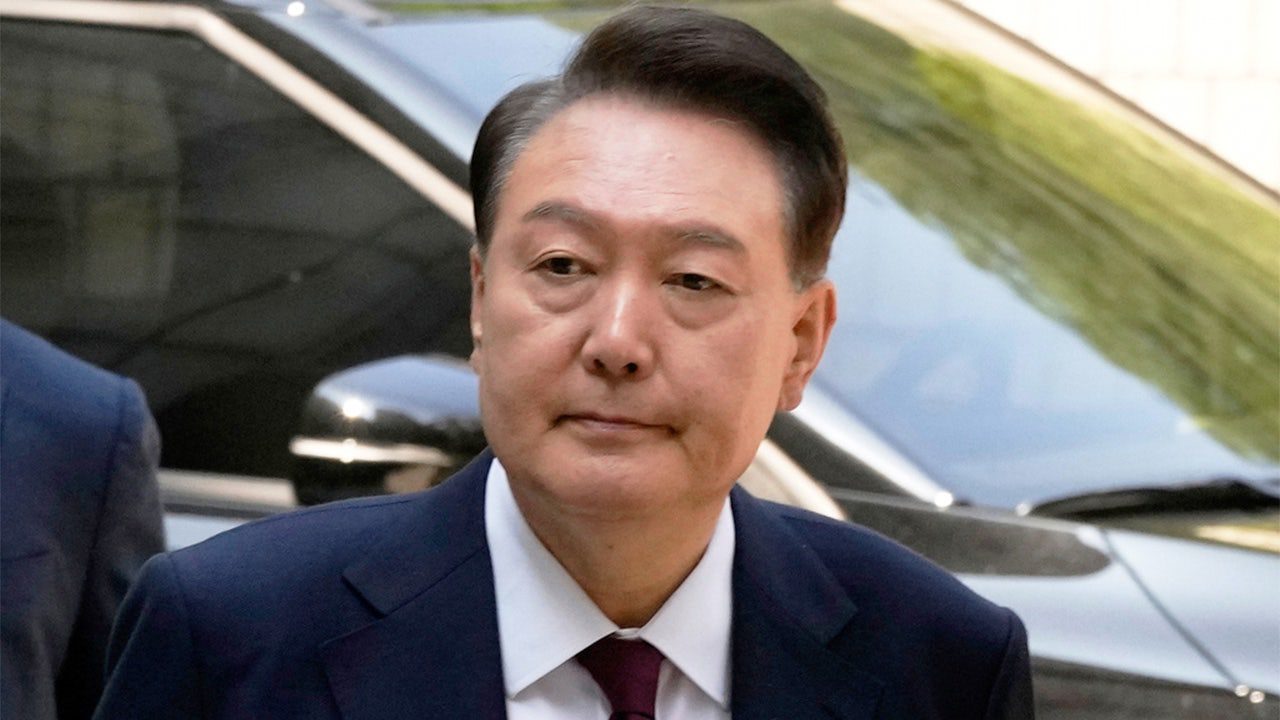
A South Korean prosecutor has formally sought the death penalty for former President Yoon Suk Yeol, accusing him of orchestrating a rebellion through his controversial martial law declaration in December 2024. This dramatic development intensifies legal scrutiny on former heads of state, particularly regarding alleged constitutional breaches.
For News Readers, Policy Watchers, Informed Citizens, and Political Analysts, this case offers a critical examination of presidential accountability and the resilience of democratic institutions. It underscores the severe consequences of perceived executive overreach and its profound implications for a nation’s governance framework.
Independent counsel Cho Eun-suk described Yoon’s actions as “anti-state activities” and a “self-coup” before the Seoul Central District Court. Yoon, removed from office last spring, faces multiple criminal proceedings, with a verdict anticipated next month.
This trial is poised to establish a significant precedent for South Korean politics and constitutional interpretation, with global ramifications for discussions on executive power and judicial oversight.
Detailed Analysis
The demand for a death sentence against former South Korean President Yoon Suk Yeol represents a rare and deeply serious juncture in the nation’s political history. The contention originates from his declaration of martial law in December 2024, an action prosecutors categorize as an attempt to unlawfully extend his political power and subvert South Korea’s established constitutional order. Yoon, a conservative leader, defends his measures as a necessary response to what he perceived as growing obstruction from the opposition Democratic Party, which allegedly utilized its legislative majority to hinder his political agenda. This incident forcefully brings to the forefront enduring debates about the precise boundaries of presidential authority and the mechanisms by which leaders are held accountable within a democratic government. The ongoing proceedings illuminate the delicate balance between executive prerogative and the imperative of constitutional fidelity.
Independent counsel Cho Eun-suk presented arguments before the Seoul Central District Court, vehemently pressing for the ultimate penalty and characterizing the martial law decree as a direct “self-coup” designed to undermine the state. Conversely, Yoon has rigorously denied these charges, asserting that investigations into his conduct have been “frenzied,” marred by “manipulation,” and marked by “distortion.” His defense strategy centers on the argument that the exercise of presidential emergency powers should not be conflated with an act of rebellion under existing legal statutes. This fundamental legal interpretation forms the core contention of the trial, compelling the judiciary to precisely define the permissible limits of executive action during periods of significant political deadlock and to delineate the threshold at which such actions constitute a criminal offense.
Historically, South Korea navigates a complex relationship with both presidential accountability and the application of capital punishment. The most direct historical parallel to former President Yoon Suk Yeol’s current predicament is the 1996 sentencing of former President Chun Doo-hwan to death for various crimes, although his sentence was subsequently commuted to life imprisonment and later resulted in a pardon. Furthermore, South Korea has not carried out a death penalty since 1997, which suggests that while such a demand is legally permissible, a life sentence is generally considered a more probable judicial outcome in such high-profile cases. This historical context provides an essential framework for evaluating the current legal proceedings, emphasizing the judicial system’s evolving approach to balancing retributive justice with broader humanitarian considerations and the nation’s contemporary stance on capital punishment.
For News Readers, Policy Watchers, Informed Citizens, and Political Analysts, the trial of former President Yoon Suk Yeol offers profound insights into the intricacies of constitutional governance and the unwavering principle of the rule of law. The forthcoming verdict, expected next month, will not only determine the personal fate of a former head of state but also establish a critical judicial precedent concerning the definitive limits of executive power and the precise legal definition of “rebellion” within a robust democratic framework. Stakeholders, including prominent political parties, influential civil society groups, and international observers, will intently monitor the outcome for its potential to fundamentally reshape South Korean politics, reinforce existing constitutional safeguards, or, conversely, trigger further political instability. This landmark case serves as a stark global reminder of the persistent challenges faced by democratic institutions in ensuring comprehensive accountability at the highest echelons of government.
About the Author