Key Takeaways
LA wildfires highlight economic drag and slow recovery with <14% rebuild permits. Analyze implications for insurance, construction, and global investment risks.
Overview
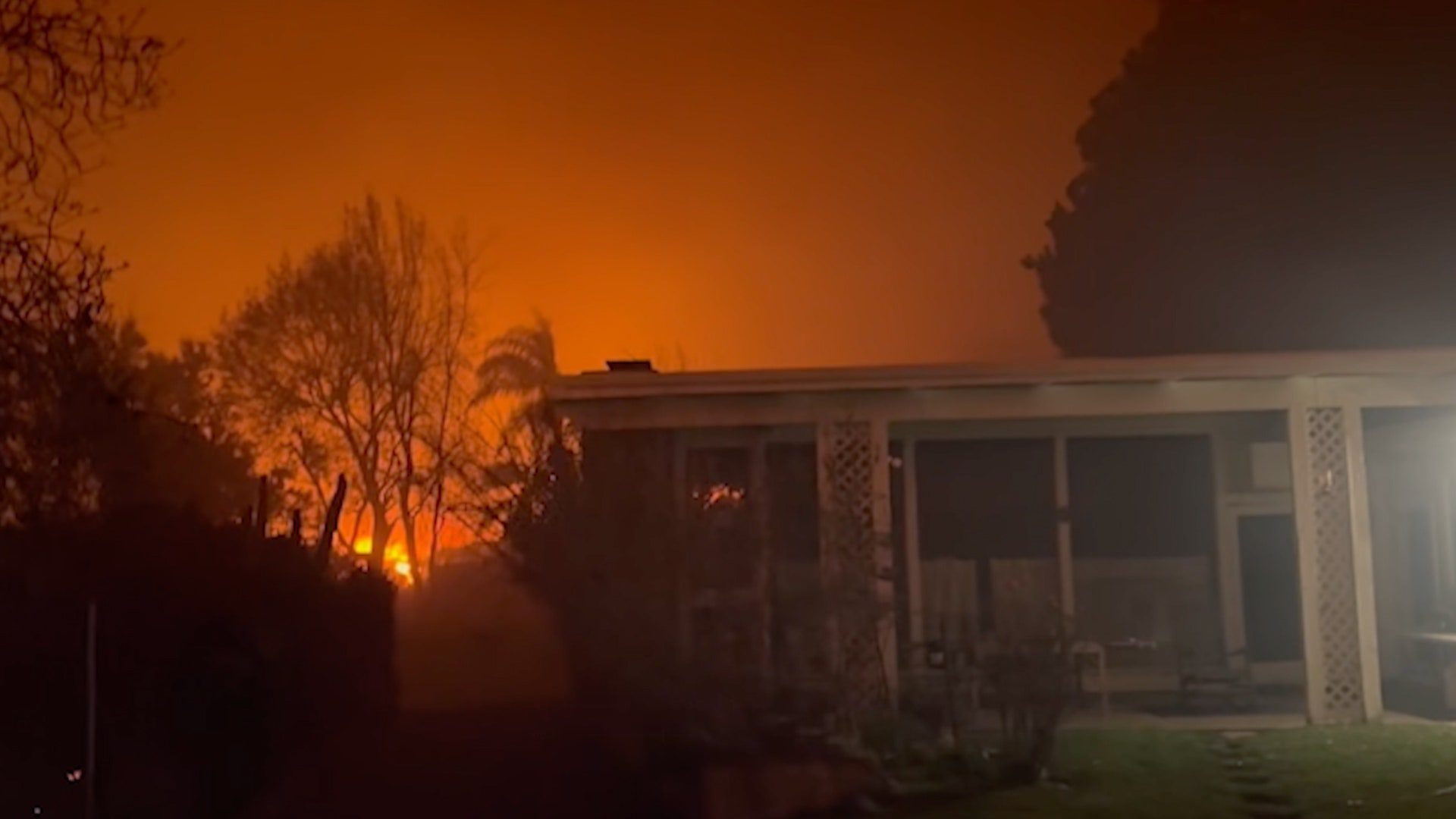
Major natural disasters exert a significant economic toll, a reality sharply underscored by the ongoing recovery from two devastating wildfires that ravaged Los Angeles County. One year post-event, the slow pace of rebuilding highlights critical bottlenecks affecting the construction, insurance, and local real estate sectors, presenting valuable insights for global investors tracking disaster resilience and market dynamics.
For Retail Investors, Swing Traders, Long-term Investors, and Finance Professionals, this prolonged recovery serves as a potent case study in assessing the financial implications of unforeseen events and regulatory efficiencies. The situation directly impacts insurance liabilities, construction material demand, and municipal planning, factors relevant to Investment strategies globally.
Specifically, over 16,000 buildings were destroyed, with Pacific Palisades seeing fewer than 14 percent of destroyed homes receiving rebuild permits. Altadena has rebuilt only 10 homes from over 9,000 destroyed structures.
This analysis delves into the underlying economic drag and investor implications, identifying key metrics and future watchpoints for the Stock Market India perspective on global risk factors.
Key Data
| Metric | Initial Impact (Units) | Current Recovery Status (Units) | Recovery Rate (%) |
|---|---|---|---|
| Total Buildings Destroyed (LA County) | >16,000 | Specific data not disclosed for total rebuilt | N/A |
| Structures Destroyed (Palisades/Malibu) | >6,000 | Less than 14% homes received permits | <14% (Permits Issued) |
| Buildings Destroyed (Altadena) | >9,000 | 10 homes rebuilt | <0.11% (Homes Rebuilt) |
Detailed Analysis
Natural disasters, such as large-scale wildfires, inherently introduce significant economic volatility and risk across multiple sectors. Historically, such events trigger immediate shocks to local economies, followed by complex, multi-year recovery phases. The Los Angeles wildfires, which consumed over 16,000 buildings across the county, provide a compelling, albeit stark, illustration of prolonged recovery cycles and their financial implications. This scenario impacts not only local communities but also reverberates through global insurance markets, construction supply chains, and real estate valuations, offering crucial lessons for comprehensive Investment strategies.
The scale of destruction, with more than 6,000 structures obliterated in Pacific Palisades and Malibu and over 9,000 in Altadena, initially signals a substantial demand surge for reconstruction. However, the one-year mark reveals a significant disconnect between need and execution. In the Palisades, fewer than 14 percent of destroyed homes have secured rebuilding permits, a critical bottleneck that directly delays capital deployment and prolongs insurance claim cycles. This slow permit issuance, coupled with challenges like property contamination (smoke, ash, asbestos), translates into extended liabilities for insurers and deferred revenue for construction firms. The negligible progress in Altadena, where only 10 homes have been rebuilt, further highlights the systemic inefficiencies and regulatory hurdles hindering economic recovery, impacting everything from local tax bases to the overall liquidity in affected markets.
Comparing this recovery pace to the average post-disaster reconstruction timelines reveals a concerning lag. While specific industry benchmarks are not disclosed in the source, a one-year milestone with such low rebuild rates suggests significant regulatory friction and possibly inadequate public sector response. This protracted recovery negatively affects the local real estate market by constraining supply and prolonging uncertainty around property values. It also poses continued financial strain on individuals and local governments, potentially impacting municipal bond ratings or increasing demand for social support services. Investors in the broader construction and materials sectors should analyze regional policy effectiveness, as demonstrated here, to gauge the true pipeline strength of recovery-driven projects. This situation serves as a vital peer comparison for assessing disaster resilience in various economic zones globally.
For Retail Investors, Swing Traders, Long-term Investors, and Finance Professionals, the Los Angeles wildfire recovery offers a critical lens through which to evaluate the broader economic impact of natural calamities. It emphasizes the importance of scrutinizing insurance sector exposures to catastrophic events, understanding the operational efficiencies of construction companies in disaster zones, and assessing the regulatory environment’s capacity to facilitate rapid rebuilding. Investors should monitor indicators such as permit acceleration rates, government-backed housing initiatives (like Beacon Housing’s efforts), and quarterly results from relevant insurance and construction firms for shifts in recovery momentum. The persistent challenges underscore that while demand for rebuilding is clear, the realization of that demand into economic activity can be significantly hampered by bureaucratic complexities, representing a tangible risk factor in assessing investment opportunities within disaster-prone regions or industries exposed to such risks.
About the Author