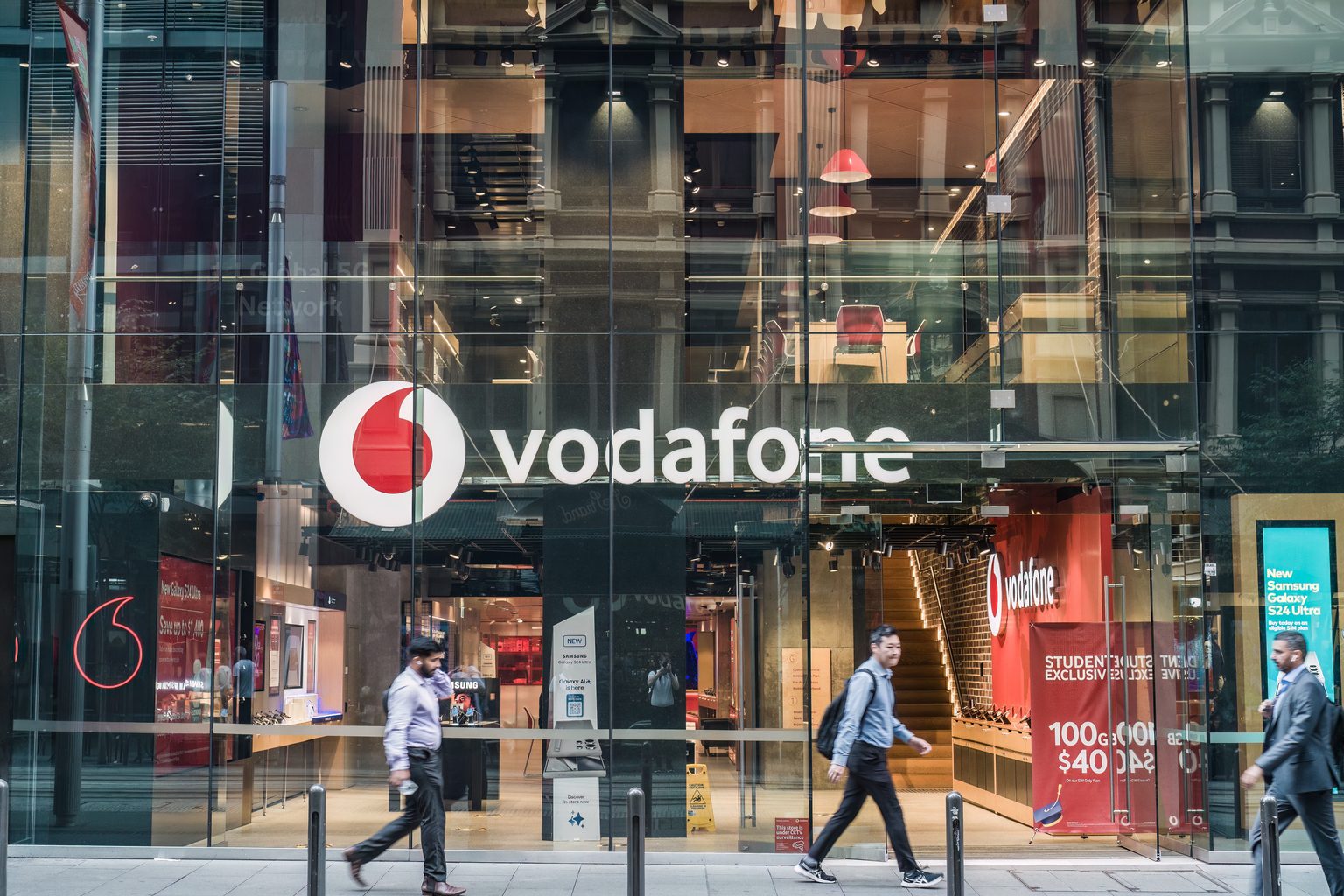
Key Takeaways
Vodafone’s Q3 shows 1.9% revenue growth but dividend timing is a concern. Analyze VOD’s financial health, FCF trends, and 2025 shareholder returns.
Market Introduction
Vodafone’s Q3 shows 1.9% revenue growth, but dividend timing remains a concern for VOD shareholders. Analyzing the company’s financial health is crucial for future returns. As of market close on November 12, 2025, Vodafone (NASDAQ:VOD) stands as a significant entity in the global telecommunications sector, focusing on operational efficiency and digital transformation.
Understanding Vodafone’s dividend policy is vital. Its ability to sustain payouts directly impacts its investment appeal, especially in this capital-intensive industry. Market analysts expect continued focus on these areas.
The current stock price hovers around $13.50. Trading volumes indicate significant investor interest, with analysts maintaining a mixed outlook for the next 12 months.
This analysis delves into Vodafone’s quarterly results and dividend strategy.
Data at a Glance
| Metric | Previous | Current | Change |
|---|---|---|---|
| Revenue | €10.5B | €10.7B | +1.9% |
| EBITDA | €2.7B | €2.8B | +3.7% |
| Free Cash Flow | €1.3B | €1.2B | -7.7% |
In-Depth Analysis
Vodafone’s latest financial disclosures reveal a period of operational strength, with revenues and EBITDA showing positive growth trends, a testament to their ongoing strategic initiatives in key European and African markets. Historically, Vodafone has navigated complex regulatory environments and intense competition by focusing on network upgrades and service diversification. This quarter’s performance, however, must be viewed against the broader backdrop of the global telecommunications sector, which is grappling with high infrastructure costs and shifting consumer demands towards digital services. The company’s ability to maintain this upward trajectory in revenue and profitability will be critical in the coming fiscal year, especially as it balances investment in 5G and fiber networks with shareholder returns. Historical patterns in the telecom sector suggest that sustained revenue growth requires continuous adaptation to technological shifts and market dynamics.
Digging deeper into the financials, the reported revenue growth of approximately 1.9% signifies an encouraging upward trend, supported by strong performance in its European markets. The increase in EBITDA by 3.7% indicates improved operational efficiency and cost management. However, the notable 7.7% dip in free cash flow (FCF) warrants investor attention. FCF is a crucial metric for dividend sustainability, and a decrease here, despite revenue growth, suggests potential headwinds in cash generation or increased capital expenditures. Analysts will be scrutinizing the company’s guidance on future FCF generation and its plans to manage its debt obligations, which remain substantial. Understanding the EBITDA margin trends and the implications of increased capital expenditure, such as those related to 5G rollouts, is key for a comprehensive valuation. For instance, a declining FCF despite revenue increases could point to escalating operational costs or aggressive reinvestment strategies.
Comparing Vodafone (NASDAQ:VOD) to its peers, such as Deutsche Telekom and Orange S.A., reveals a competitive landscape characterized by consolidation and significant investment in next-generation networks. While Vodafone’s operational performance appears solid, its peers are also demonstrating resilience. Orange, for instance, has also reported steady revenue growth, though both companies face challenges in managing capital expenditure for 5G rollouts. Vodafone’s market share in its core European regions remains significant, but the strategic decisions regarding dividend timing, as highlighted in the original report, could impact its relative attractiveness compared to competitors who might offer more predictable or higher yields. Orange’s strategic focus on profitability and infrastructure sharing offers a contrasting approach to shareholder returns.
The ‘questionable dividend timing’ mentioned suggests a potential disconnect between the company’s operational performance and its shareholder payout policy. While a strong quarter is positive, investors are keenly interested in the long-term dividend outlook and whether current cash flow can reliably support future payouts. Key risks include increased competition, regulatory changes impacting pricing power, and the ongoing need for substantial capital investment. Opportunities lie in emerging markets and the continued rollout of high-speed broadband and 5G services. Investors should monitor upcoming earnings calls for management’s detailed commentary on FCF projections and dividend strategy, and consider entry points based on a clear understanding of these risks and opportunities, evaluating potential price targets offered by market analysts.
About the Author