Venezuela Power Shifts: Cabello’s Grip Solidifies 2026
🔑 KEY TAKEAWAYS
- ✓ Maduro’s enforcer: Diosdado Cabello remains a central figure in Venezuela’s power structure despite hopes for political change in 2026.
- ✓ Persistent influence: Cabello maintains robust control over street-level operations and security forces, projecting the state’s power.
- ✓ Limited political shift: His enduring grip signifies minimal real change in Venezuela’s authoritarian landscape, frustrating opposition efforts.
- ✓ Impact on stability: Cabello’s role ensures regime stability but perpetuates political gridlock and hinders humanitarian progress for citizens.
- ✓ Future outlook: Watch for shifts in military loyalty and economic conditions as key indicators of Venezuela’s political trajectory in the coming months.
Diosdado Cabello, a formidable enforcer for President Nicolás Maduro, remains undeniably central to Venezuela’s power structure in early 2026, defying widespread hopes for significant political transformation. His continued influence underscores how little the political landscape has truly shifted despite international pressures and domestic calls for change.
This persistent consolidation of Venezuela power dynamics by figures like Cabello significantly impacts regional stability and the prospects for ordinary citizens. It signals a deep-rooted and entrenched regime, making genuine democratic transitions incredibly challenging for the South American nation.
Analysts highlight Cabello’s robust control over key security apparatuses and grassroots movements, effectively projecting the government’s authority across the nation. His strategic positioning within the ruling party ensures loyalty and operational effectiveness.
This article delves into Cabello’s critical role, the implications for Venezuela’s future, and what global observers should monitor next in this complex geopolitical situation.
What is Diosdado Cabello’s current role in Venezuela’s power structure?
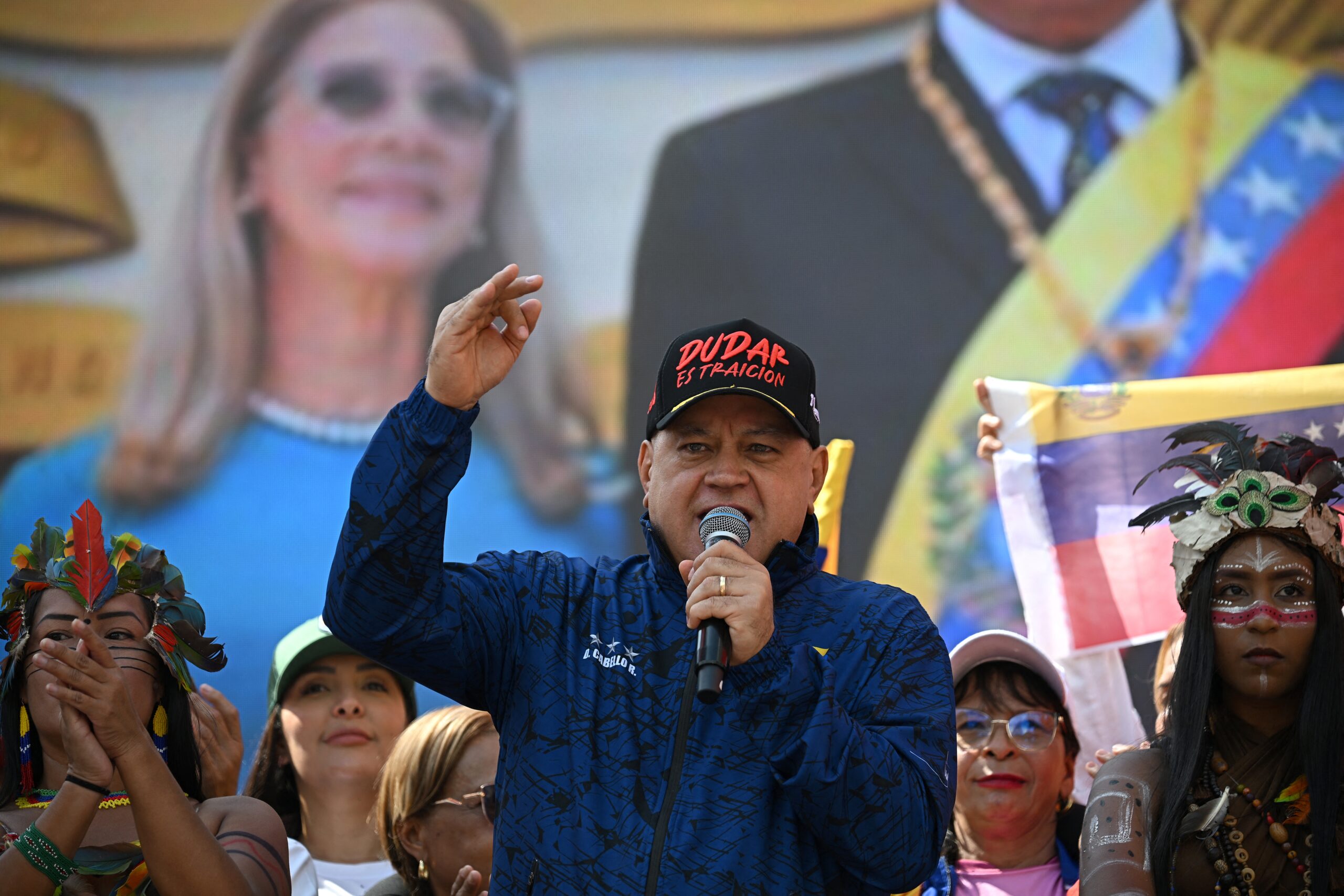
Diosdado Cabello, a key figure in the United Socialist Party of Venezuela (PSUV) and former National Assembly president, remains a pivotal enforcer for President Nicolás Maduro. He effectively controls significant street-level operations and security forces, projecting state power and maintaining regime stability against opposition efforts. His influence is crucial for the Maduro government’s endurance.
Historically, Cabello has been a staunch loyalist to the Chavista movement, ascending through military ranks alongside the late Hugo Chávez. His influence extends beyond formal titles, encompassing critical command over paramilitary groups and intelligence networks that secure the regime’s interests.
Observers consistently note his strategic positioning within the party apparatus, often regarding him as the “second most powerful man” in Venezuela. He possesses the unique ability to mobilize loyalists and neutralize dissent, a role indispensable for the current administration’s continued grip on power.
What Are the Key Details of Cabello’s Enduring Influence?
Cabello’s power primarily derives from his long-standing control over the PSUV’s grassroots organizations and his deep, unwavering ties within the Venezuelan military. This allows him to command significant loyalty and resources, ensuring the government’s writ runs effectively across various regions and suppresses any signs of dissent.
According to political analysts closely monitoring Venezuela power dynamics, Cabello’s continued presence underscores the regime’s strategy of maintaining authority through a strong, centralized, and often coercive grip on public life and security. His critical role prevents any easy internal or external efforts to dismantle the existing power structure.
Unlike other government officials whose influence might fluctuate with political tides, Cabello’s authority has consistently adapted and solidified. He has cemented his position as an indispensable figure for the Maduro administration, a stark contrast to more ceremonial or less politically agile figures within the government.
How Does This Impact Venezuela’s Political Landscape?
Cabello’s central role significantly stifles genuine political change and democratic transitions in Venezuela. His command over security forces and party machinery ensures the regime can effectively suppress protests and maintain control, frustrating both international efforts and domestic opposition alike. This perpetuates a cycle of political stagnation.
This consolidation of power by figures like Cabello further perpetuates Venezuela’s profound humanitarian and economic crisis. Political gridlock consistently hinders crucial economic reforms and obstructs the effective distribution of international aid, deeply impacting the lives of millions of citizens.
From a stakeholder perspective, the Maduro regime and its loyalists directly benefit from Cabello’s stabilizing and enforcing influence, which secures their continued hold on power. Conversely, the opposition, civil society organizations, and the broader Venezuelan populace hoping for democratic change face continued repression and a seemingly insurmountable challenge to their aspirations.
What Should Observers Watch Next in Venezuela?
Observers should closely monitor upcoming regional elections and any subtle shifts within the military high command for early signs of internal dissent or changing allegiances that could challenge the current Venezuela power dynamics. Continued international pressure, particularly from the Organization of American States (OAS) and the European Union, will also remain a significant factor throughout 2026.
If Venezuela’s already dire economic conditions further deteriorate, the regime might face increased internal pressure, potentially leading to more widespread civil unrest. Conversely, sustained external sanctions without a cohesive and effective internal opposition could inadvertently solidify Cabello’s and Maduro’s control even further, reinforcing the status quo.
To gain comprehensive insights, continuously track reports from independent journalists and human rights organizations, alongside official government statements. This balanced approach helps gauge the true extent of power dynamics and identify potential flashpoints in Venezuela, offering critical updates for stakeholders.
❓ Frequently Asked Questions
What is Diosdado Cabello’s significance in Venezuela?
Diosdado Cabello is a key political figure and enforcer for President Nicolás Maduro, holding significant influence over security forces and grassroots movements. His role is critical in maintaining the regime’s stability and projecting state power, making him central to Venezuela’s current political landscape and power dynamics.
Why does Cabello’s role limit political change?
Cabello’s extensive control over the military and ruling party apparatus allows the regime to effectively suppress dissent and opposition efforts. This robust enforcement capability prevents genuine democratic transitions and hinders any significant shifts in the country’s entrenched authoritarian power structure.
How has Cabello maintained his central position?
Cabello has maintained his central position through unwavering loyalty to the Chavista movement, deep ties within the military, and strategic command over internal security and party networks. His adaptability and consistent enforcement of regime policies have made him indispensable to the Maduro administration.
Who benefits from Cabello’s influence in Venezuela?
The Maduro regime and its loyalists primarily benefit from Cabello’s influence, as his role ensures the continuity and stability of their power. His enforcement capabilities help suppress opposition and maintain control, directly serving the interests of the ruling elite and their allies.
📚 Related Topics on Stock99.in
Explore more latest updates:
- Venezuela's Economic Crisis: Latest Updates
- Geopolitical Impact of Latin American Politics
- Human Rights Concerns in South America 2026
- Maduro's Presidency: Challenges and Survival Strategies
- Oil Market Dynamics and Venezuela's Role
About the Author