Key Takeaways
Maduro’s capture fuels Venezuela uncertainty. Investors face high country risk amidst diaspora hopes for recovery. Analyze short/long-term financial implications for emerging markets.
Overview
The recent capture of Venezuelan leader Nicolás Maduro by U.S. forces signals a major geopolitical shift. This event forces investors to reassess country risk and potential economic recovery in emerging markets, directly impacting global Investment sentiment and strategy.
For Retail Investors and Finance Professionals, such political instability underscores profound economic disruption. Understanding these macro dynamics is crucial for prudent portfolio management and informed Trading decisions.
Venezuela’s crisis drove 23% of its population to flee. Chile alone hosts 669,000 Venezuelans, reflecting immense demographic and economic strain.
This analysis explores the short, medium, and long-term financial implications and key metrics for monitoring.
Key Data
| Economic Impact Proxy | Baseline (Pre-Crisis) | Current (as of 2024/2026) | Change/Status |
|---|---|---|---|
| Venezuelan Population Fled | Minimal | 23% | Significant Increase |
| Daily Venezuelan Outflow | Minimal | ~2,000 people | Ongoing Exodus |
| Venezuelans in Chile | “Almost none” (2003) | 669,000 (2024 Census) | Massive Influx |
Detailed Analysis
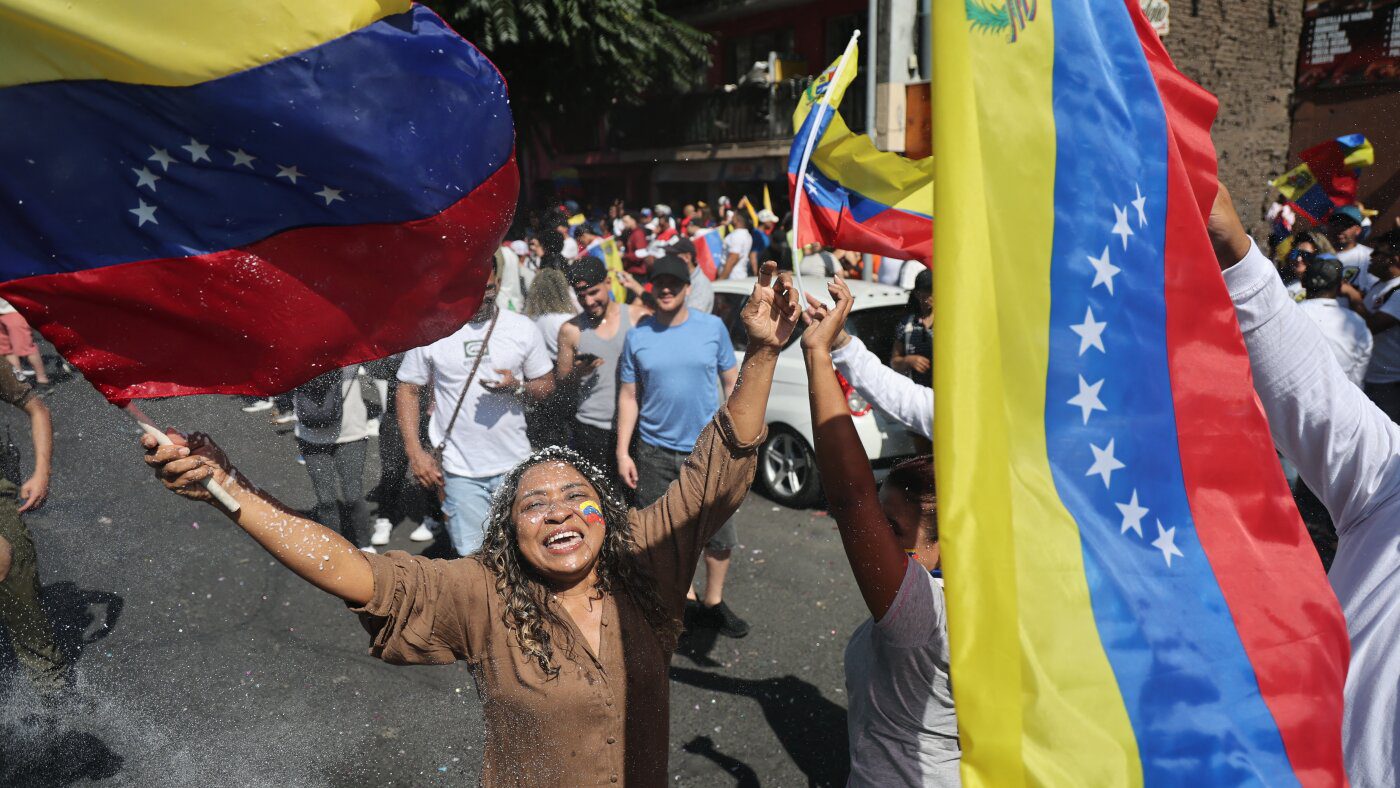
Venezuela’s prolonged economic crisis has destabilized the nation, catalyzing one of Latin America’s worst refugee crises. The UN Refugee Agency estimates 23% of its population has fled, with daily outflows peaking at 2,000 individuals late last year. This mass exodus reflects a severe contraction in economic opportunities and widespread social distress, fundamentally reshaping demographic profiles both domestically and in host countries. The capture of President Nicolás Maduro, while celebrated by the diaspora as a potential turning point, is viewed cautiously by some opposition figures, highlighting that dismantling a 25-year-old regime structure requires substantial time. This complex backdrop of political change against entrenched systemic issues creates a highly uncertain environment for any future economic resurgence, making careful Financial Analysis paramount for those eyeing Investment opportunities in distressed economies.
The sheer scale of Venezuela’s diaspora, exemplified by Chile hosting 669,000 Venezuelans within its 18.5 million population, represents a significant brain drain and loss of productive capacity. This outflow of human capital directly impacts long-term economic recovery prospects, particularly when considering metrics like per capita GDP potential and labor force participation. The growing prevalence of Venezuelan cultural elements in host countries, such as specific food products, signifies both an adaptation of the diaspora and a potential conduit for future trade or remittances should Venezuela stabilize. However, the political friction observed in Chile, with President-elect José Antonio Kast linking migration to public insecurity, introduces a layer of socio-political risk. Such domestic pushback can strain international relations, potentially affecting foreign investment sentiment and regional stability, crucial factors for any comprehensive Investment strategy.
Comparing Venezuela’s scenario to other nations facing severe economic distress and political upheaval offers valuable insights for global investors. The extensive demographic shifts, like 669,000 Venezuelans in Chile, serve as a powerful proxy for underlying economic health and country risk. This influx creates new societal and economic pressures for host nations, mirroring challenges observed in other emerging markets contending with migration-induced fiscal burdens and social integration complexities. Such factors influence both domestic stability and external Investment attractiveness. The divergent political responses within Chile to external intervention further complicate Investment decisions in regions with fragile political ecosystems, adding layers of geopolitical risk to financial assessments.
For Retail Investors, Swing Traders, and Long-term Investors, Venezuela’s ongoing developments underscore the paramount importance of political stability in Investment thesis formulation. The immediate aftermath of Maduro’s capture presents high volatility, making Swing Trading risky without clear policy direction. Long-term investors must weigh the high country risk against the eventual, albeit distant, prospect of reconstruction and potential return of the diaspora, which could inject capital and human resources for economic revitalization. Finance Professionals should monitor Venezuela’s internal political transitions, any shifts in U.S. foreign policy, and the economic responses of neighboring countries like Chile. Key metrics to watch include future migration patterns, policy announcements concerning economic reforms, and any re-engagement with international financial institutions. Any sustained political stability would be a prerequisite for meaningful foreign direct Investment.
About the Author