Key Takeaways
Venezuela’s interim government releases four Americans. Understand the implications of this major diplomatic move on US-Venezuela relations and regional stability today.
Overview
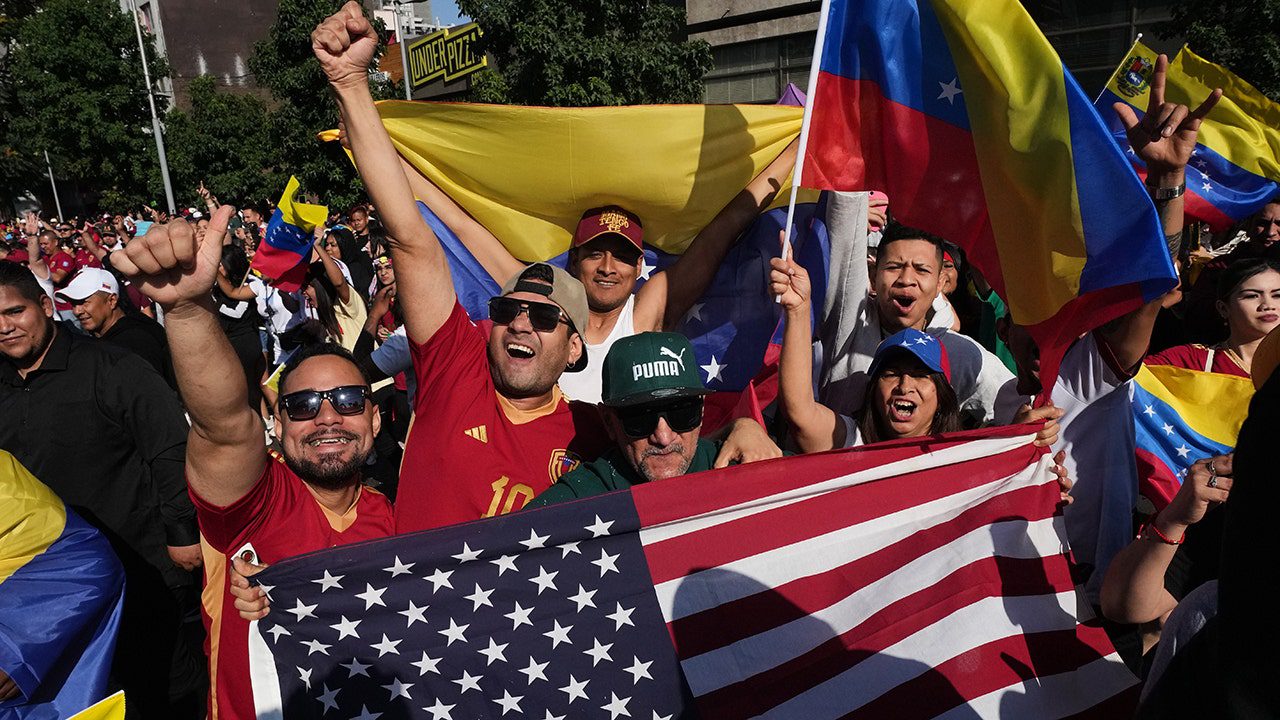
Venezuela’s interim government recently confirmed the release of at least four U.S. citizens, previously imprisoned under President Nicolás Maduro’s regime. This significant development signals a new phase in the complex diplomatic relations between the two nations, impacting current affairs and international dynamics.
For General Readers and News Consumers, this event marks a notable shift in Venezuela’s political landscape, especially following recent U.S. actions against Maduro. It underscores the evolving nature of international prisoner diplomacy.
This is the first known release of Americans since the U.S. military operation to capture Maduro. President Trump cited a total of 116 prisoner releases, with approximately 70 verified by non-governmental organisations.
This report explores the immediate context and broader implications of these prisoner releases for regional stability and international policy.
Detailed Analysis
The recent release of four American citizens by Venezuela’s interim government marks a pivotal moment, emerging from a period of intense geopolitical tension and internal political upheaval. This development follows closely on the heels of a U.S. military operation that led to the capture of former President Nicolás Maduro, who now faces federal drug trafficking charges in New York. The U.S. has recognized an interim government in Venezuela, signaling a clear shift in its diplomatic posture and engagement strategies. This release, the first of its kind since the military operation, suggests a potential thaw in relations, albeit with underlying complexities. It arrives amidst broader efforts by the interim authorities to address political prisoners, with National Assembly President Jorge Rodríguez indicating that further releases are anticipated. This intricate backdrop forms the stage for understanding the current dynamics between Venezuela and the international community.
The confirmation of the release of at least four U.S. citizens, initially reported by Bloomberg and affirmed by Fox News, has been met with a cautious welcome from the U.S. State Department. An official described it as “an important step in the right direction by the interim authorities.” This sentiment was echoed by President Donald Trump, who publicly acknowledged Venezuela’s initiation of a “BIG WAY” process to free political prisoners. While the interim government reports 116 prisoner releases, the non-governmental organization Justicia, Encuentro y Perdón has verified approximately 70 of these. This discrepancy highlights the fluid and sometimes opaque nature of political prisoner data in the region. Simultaneously, the U.S. Embassy in Caracas issued a new security alert, advising all American citizens to leave Venezuela immediately due to ongoing security concerns and the limited capacity for emergency assistance, specifically citing reports of armed groups on roads. This dual approach of diplomatic engagement and security caution underscores the volatile environment.
This release of American detainees stands out compared to previous periods of diplomatic deadlock, where such gestures were largely absent. The U.S. military operation against Maduro and the federal charges represent a notable escalation from earlier diplomatic pressures. Historically, prisoner releases often signal a potential opening for broader negotiations or shifts in international relations, a pattern observed globally. This action by Venezuela’s interim government, though positive, occurs concurrently with the U.S. indicating a potential long-term role in guiding the country towards a “safe, proper and judicious transition.” This assertive U.S. stance, coupled with the prisoner release, reshapes the immediate regional dynamic and could influence future international engagements concerning Venezuela’s stability.
For General Readers and News Consumers, the release of American prisoners from Venezuela is a crucial development in international current affairs. It highlights the complexities of U.S. foreign policy and the challenges faced by citizens abroad in politically unstable regions. The immediate takeaway is a positive, albeit cautious, step towards resolving human rights issues and potentially de-escalating tensions. However, the concurrent U.S. travel advisory urging Americans to leave Venezuela underscores ongoing security risks, particularly reports of armed groups. Audiences should monitor future statements from the U.S. State Department and Venezuelan authorities, as well as any further prisoner releases. The long-term implications will depend on whether this action leads to more sustained diplomatic dialogue or if the assertive U.S. posture continues to dominate the narrative around Venezuela’s future governance.
About the Author