Key Takeaways
Analyze US political risk from congressional defiance to Fed investigation. Understand market impact, policy uncertainty, and investment implications for 2026.
Overview
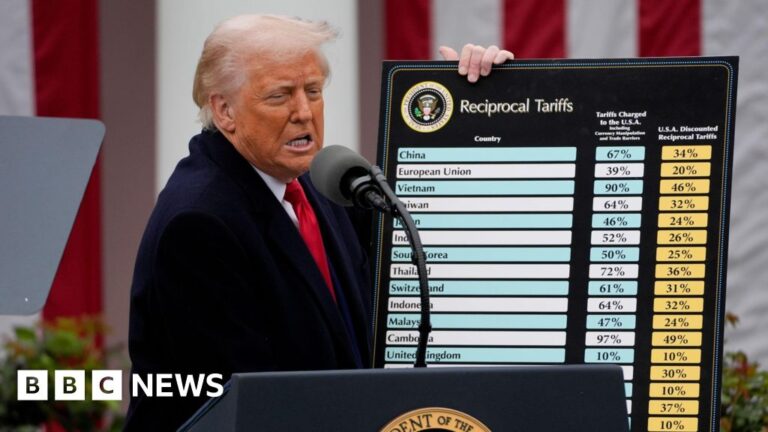
Growing internal opposition within the U.S. Republican Party against President Donald Trump signals a notable shift in the American political landscape, generating significant US political risk market impact for global investors. This emerging legislative friction, particularly concerning war powers and critical policy decisions, introduces an elevated level of policy uncertainty that often correlates with increased market volatility.
For Retail Investors, Swing Traders, Long-term Investors, and Finance Professionals globally, this dynamic is critical. It suggests potential shifts in U.S. foreign policy, fiscal spending, and regulatory environments, which can directly or indirectly influence capital flows, commodity prices, and overall investor sentiment towards markets like the NSE and BSE.
Recent congressional actions include five Republican senators challenging the President on Venezuela war powers, 17 House Republicans defying him on Obamacare subsidies, and unexpected vetoes on bipartisan bills. Most critically, an ongoing criminal investigation into Federal Reserve Chairman Jerome Powell adds an unprecedented layer of monetary policy uncertainty.
This analysis delves into the financial implications of these political developments, offering insights into potential market reactions, sector-specific impacts, and key metrics to monitor for prudent investment and trading strategies in 2026.
Detailed Analysis
The confluence of escalating internal dissent within the U.S. Republican Party and an election year (2026) marks a period of heightened political risk that extends its reach far beyond American borders, impacting global financial markets including the Stock Market India. Historically, periods characterized by a U.S. president facing significant opposition from within their own party have often coincided with increased policy uncertainty, legislative gridlock, and subsequent market volatility. This backdrop mandates a meticulous financial analysis to gauge the potential ripple effects on various asset classes and investment strategies for Retail Investors, Swing Traders, Long-term Investors, and Finance Professionals. The weakening executive influence, as demonstrated by several key congressional votes, suggests that future policy initiatives, particularly those with broad economic implications, may face more substantial hurdles, leading to delays or modifications that markets may not have fully priced in.
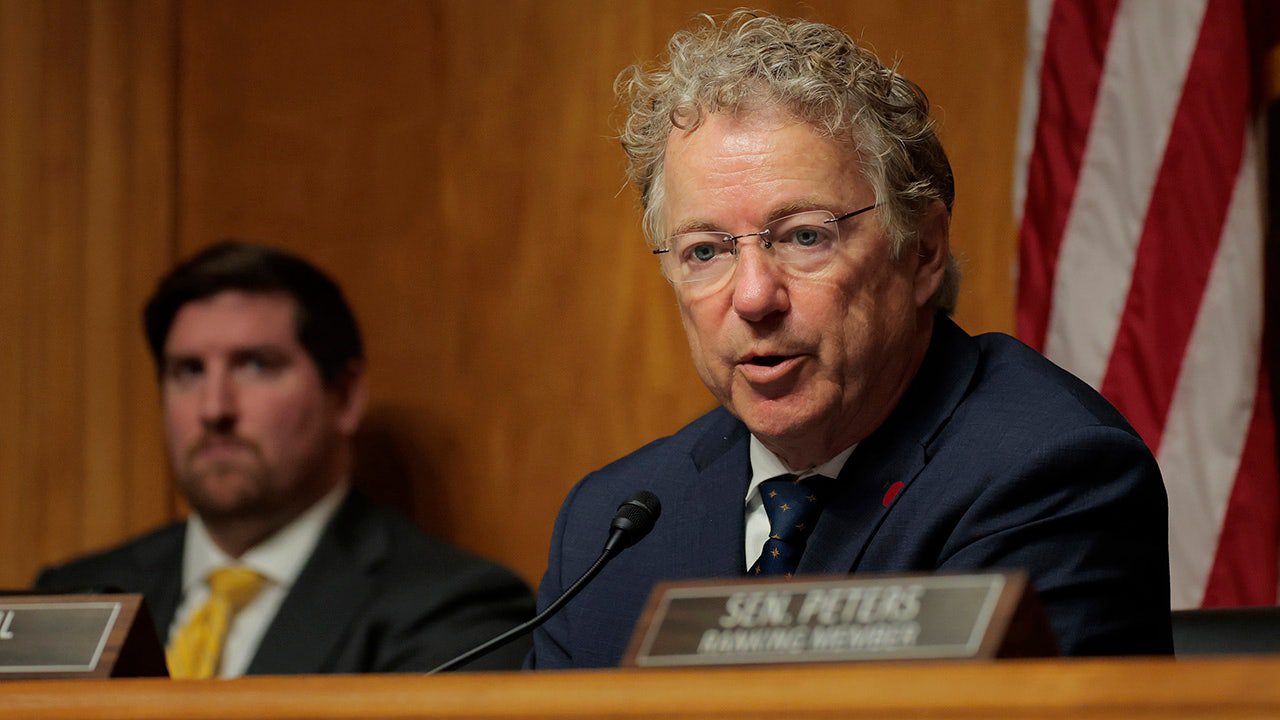
The current political climate, highlighted by President Trump’s challenges in securing lockstep backing from congressional Republicans, presents a multifaceted risk profile. On the geopolitical front, the President’s actions and rhetoric regarding Venezuela, including the ordered strike and mentions of ‘taking Venezuelan oil,’ coupled with aggressive stances on Greenland, Cuba, and Iran, introduce significant uncertainty into global commodity markets. Venezuela’s oil reserves make any military action a potential catalyst for oil price volatility, directly impacting energy sector stocks and the import bills of oil-dependent economies like India. The risk of overextending the military, as noted by Senator Mark Warner, D-Va., could also lead to increased defense spending, potentially diverting resources or impacting fiscal balances. Senator Rand Paul’s caution against bombing during protests further underscores the unpredictability of outcomes and the potential for unintended consequences that could spook investor confidence. The broader implications of such interventions could manifest as a rise in geopolitical risk premium, influencing investor flight to safe-haven assets and impacting capital flows to emerging markets, thus affecting the NSE and BSE.
Domestically, the investigation into Federal Reserve Chairman Jerome Powell represents a critical concern for monetary policy stability. Senator Thom Tillis, R-N.C., a member of the Banking Committee, has explicitly stated he would oppose the confirmation of any Fed nominee, including the upcoming Fed Chair vacancy, until the legal matter is resolved. This directly threatens the perceived independence and credibility of the U.S. central bank, a cornerstone of global financial stability. Any erosion of the Fed’s autonomy could lead to heightened uncertainty regarding interest rate trajectories, inflation management, and the strength of the U.S. dollar. For Indian investors, such instability could translate into increased foreign exchange volatility (USD/INR), impact FII inflows into Indian equities, and alter the risk-reward calculus for international investments. Furthermore, legislative disagreements, such as the House vote on renewing Obamacare subsidies—where 17 Republicans broke ranks—and the President’s unexpected vetoes on bipartisan bills (like the Colorado pipeline and Miccosukee Tribe land bills), signal significant policy gridlock. These actions can impede economic progress, delay critical infrastructure projects, and create regulatory uncertainty within sectors such as healthcare, infrastructure, and real estate, influencing sector-specific investment outlooks.
Comparing this period to historical instances, President George H.W. Bush faced waning support during his sixth year over Iraq, President Ronald Reagan over Iran-Contra, and President Richard Nixon during Watergate in 1974. These historical parallels demonstrate that political fissures, particularly in an election year, can lead to protracted policy debates, legislative stalemates, and often, increased market volatility. The current situation, where Republicans like Hawley, Young, and Collins have shifted their votes on war powers resolutions, echoes these patterns of dissent. Finance Professionals recognize that such political dynamics in a major global economy like the U.S. can lead to a ‘risk-off’ sentiment, where investors withdraw from riskier assets. This can trigger short-term corrections in global equity markets and impact FII investment patterns in Indian markets. The divergence of opinion within the Republican party on issues from foreign intervention to domestic spending and even the independence of the Federal Reserve indicates a fragmentation that could make predicting future policy outcomes exceptionally challenging. This requires a robust technical analysis approach coupled with fundamental assessment, as market sentiment can pivot rapidly on political headlines.
[Suggested Matrix Table: US Political Dissent Key Votes & Potential Market Sector Impact: Compare votes on Venezuela War Powers, Obamacare Subsidies, Veto Overrides, Fed Nomination Stance, listing affected sectors (e.g., Energy, Healthcare, Infrastructure, Financials) and potential impact level (High, Medium, Low) based on policy uncertainty.]
For Retail Investors, the key takeaway from the evolving U.S. political landscape is the paramount importance of a diversified portfolio that can withstand increased global volatility. Avoid knee-jerk reactions to political headlines; instead, focus on the underlying economic fundamentals of your Indian investment portfolio, keeping an eye on how these global political developments might influence major indices like the Nifty and Sensex. Long-term Investors should prioritize companies with strong balance sheets, resilient business models, and low exposure to direct geopolitical shocks. Consider sectors that demonstrate stability amidst uncertainty or those poised to benefit from long-term trends irrespective of short-term political noise. Evaluating companies with robust domestic demand or those less reliant on U.S. foreign policy stability could be a prudent strategy.
Swing Traders, on the other hand, might find increased short-term trading opportunities arising from heightened volatility around major political announcements and congressional votes. However, this also comes with elevated risk. Close monitoring of global news, currency movements (especially USD/INR), and commodity price fluctuations (crude oil) will be crucial. Understanding key technical levels for the Nifty and Sensex will be vital, as global sentiment shifts can easily test support and resistance points. For Finance Professionals, proactive risk assessment and scenario planning are essential. This includes evaluating sovereign risk, implementing currency hedging strategies, and stress-testing portfolios against various geopolitical and monetary policy outcomes. Advising clients on rebalancing exposure to global sectors heavily influenced by U.S. policy, such as energy, defense, and technology, will be critical. Monitoring upcoming legislative events—like the Senate debate and vote on war powers, and any further developments in the Fed investigation—will provide critical signals for adjusting investment strategies and navigating the complex investment strategy 2026 environment. Prudent risk management and capital preservation should remain at the forefront of all financial decision-making.
About the Author