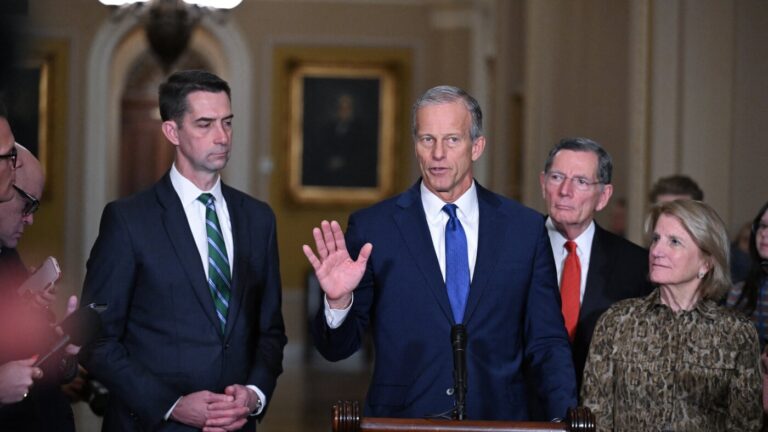
The looming US government shutdown in 2025 threatens to disrupt Congress’s fiscal operations, introducing considerable uncertainty for domestic economic policy. This situation demands immediate investor attention and careful market navigation, as negotiations remain tense on crucial spending priorities according to latest Capitol Hill reports.
Understanding the potential ramifications of a shutdown is paramount for traders aiming to navigate potential market volatility and policy shifts. This uncertainty directly affects budget allocations and the likelihood of stimulus measures.
Key metrics to monitor include congressional approval ratings and projected deficit figures, impacting investor sentiment.
This analysis delves into the critical financial consequences.
Expert Market Analysis
The prospect of a US government shutdown in 2025 casts a significant shadow over the fiscal landscape, directly challenging the spending power of Congress and introducing considerable uncertainty for domestic economic policy. Historically, such shutdowns, while often short-lived, create ripple effects across government agencies, leading to disruptions in services and impacting legislative productivity. This period of fiscal uncertainty can strain inter-branch relations and introduce delays in critical policy-making processes, potentially affecting the country’s economic trajectory. The broader trend of increasing political polarization has made these fiscal standoffs more frequent, forcing a re-evaluation of long-term budget planning and the stability of government operations. The immediate financial implications for Congress involve the potential furloughing of staff and suspension of non-essential duties, directly curtailing their operational capacity. As of the latest reports from Capitol Hill, negotiations remain tense, highlighting the deep divisions on spending priorities for the upcoming fiscal year. This ongoing gridlock not only impacts domestic governance but also sends signals to international markets about the stability of US fiscal policy.
From a fundamental perspective, a shutdown can indirectly influence economic indicators by creating a perception of governmental instability, which may dampen investor confidence. While not directly impacting corporate balance sheets like an earnings report, it affects the regulatory and operational environment in which businesses function. For instance, delays in agency approvals or the suspension of certain economic data releases can impede market analysis and strategic planning. The Federal Reserve’s monetary policy can also be indirectly affected, as a shutdown might influence economic growth forecasts, a key consideration for interest rate decisions. Market analysts closely watch the duration and severity of these shutdowns, as prolonged periods could necessitate adjustments to growth projections. The potential for cuts to discretionary spending, a common outcome of shutdown negotiations, could also impact sectors reliant on government contracts or grants, affecting their EBITDA margins and free cash flow projections.
Comparing the US situation to other developed economies, the frequency of government shutdowns highlights a unique aspect of American fiscal governance. In many European countries, for example, parliamentary systems often have more streamlined budget approval processes, reducing the likelihood of prolonged shutdowns. Within the US, the impact on different sectors can vary significantly. Tech companies that rely on government contracts or research grants might face immediate disruptions. Conversely, sectors less directly tied to federal spending, such as consumer staples, might experience minimal direct impact, though broader economic sentiment could still play a role. Regulatory bodies within sectors like finance or energy might see their oversight functions curtailed, potentially leading to a temporary relaxation or delay in enforcement actions, an outcome that peers like banks or energy firms would monitor closely.
The expert takeaway for investors navigating this period of potential government shutdown is to focus on resilience and adaptability. While the immediate impact on stock prices might be limited for many companies, the longer-term consequences of fiscal instability and potential policy shifts are significant. Retail investors might be advised to maintain a diversified portfolio and avoid making drastic decisions based on short-term political events. Institutional investors will likely scrutinize the duration of the shutdown and the potential for significant policy changes that could arise from the subsequent budget negotiations. Key events to watch include any votes on continuing resolutions or definitive budget agreements. Opportunities may arise in sectors that are less exposed to government spending or those that can capitalize on increased demand for essential services, while risks are concentrated in sectors heavily reliant on government funding or regulatory oversight. Entry and exit strategies should consider the potential for market overreactions and subsequent recoveries.
Related Topics:
US government shutdown, US fiscal policy 2025, Government budget analysis, Capitol Hill negotiations, US economic outlook, Fiscal policy analysis, Congressional spending impact, US market analysis
About the Author