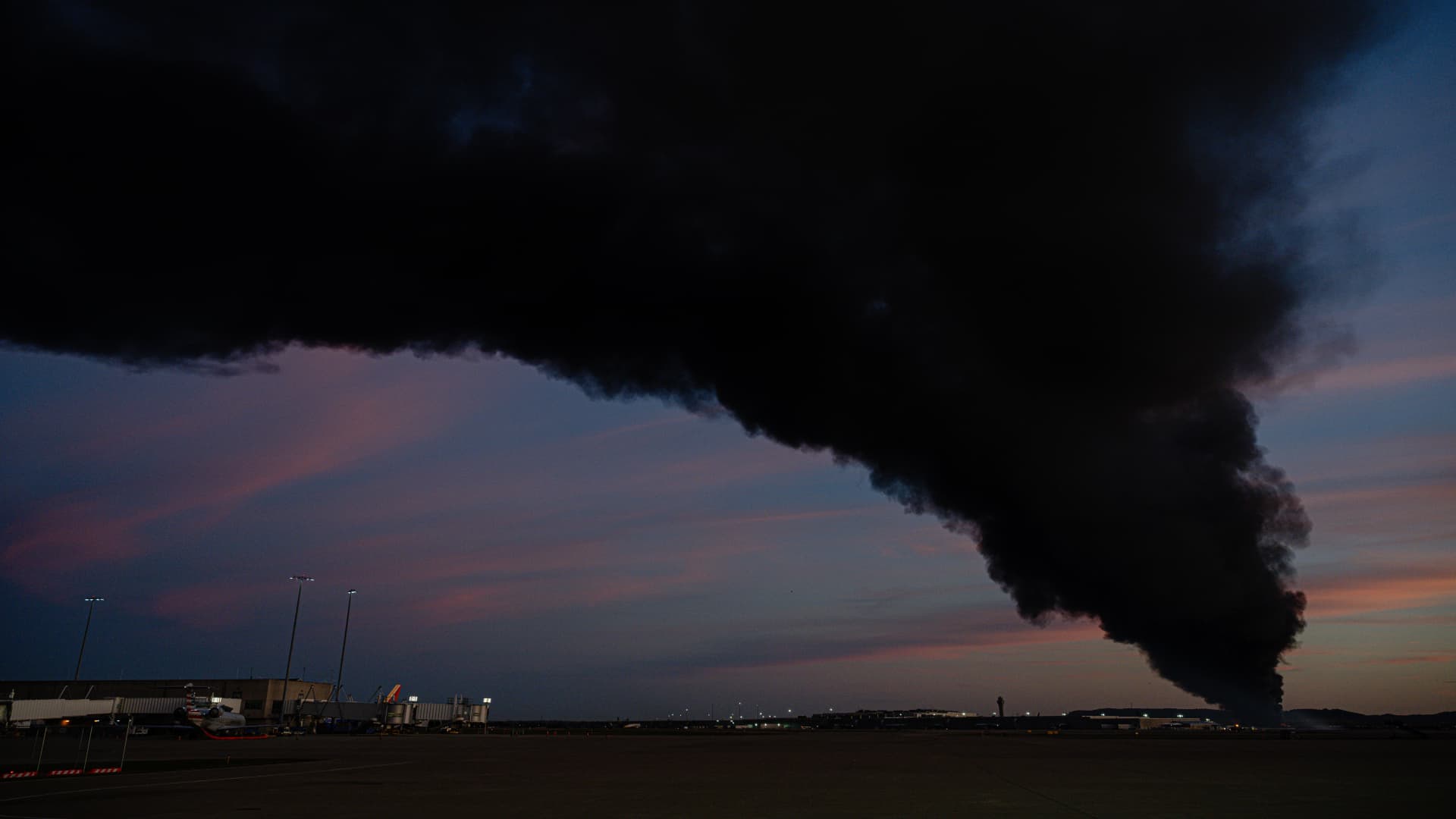
The UPS MD-11F freighter crash on November 4, 2025, at Louisville Airport introduces significant disruption for the air cargo sector. This event is expected to impact global delivery schedules and increase freight costs, directly affecting logistics giants like UPS. Investors are now assessing the financial repercussions and recovery timelines, with a heightened ‘risk-off’ sentiment emerging for UPS stock and the broader industry.
This incident underscores the critical importance of operational safety and reliability in air cargo logistics. The market is keenly watching for any potential demand surges for competitors such as FedEx and DHL, which could benefit from UPS’s temporary capacity reduction.
As of market close, UPS stock exhibited volatility. Key metrics under scrutiny include cargo volumes, operational continuity, and potential impacts on revenue streams and EBITDA margins.
This analysis delves into the market implications and projected impact on UPS stock.
Expert Market Analysis
The November 4, 2025, crash of a UPS MD-11F freighter at Louisville Muhammad Ali International Airport represents a significant event for the global air cargo industry. Historically, major carrier incidents trigger intensified scrutiny of operational safety and maintenance. Immediate logistical consequences are anticipated to include substantial delays for time-sensitive shipments, increasing pressure on alternative networks. The aviation sector, particularly its cargo segment, will closely monitor the joint NTSB and FAA investigation into the accident’s root cause. While isolated, these events can influence risk premiums across the industry, impacting investor confidence and stock valuations for all players.
From a fundamental analysis perspective, the primary focus will be on the extent of damage to UPS’s operational fleet and logistical infrastructure, alongside the associated financial ramifications. The loss of an MD-11F, a key freight aircraft, potentially compounded by damage to infrastructure or cargo, could significantly impact revenue streams and erode EBITDA margins. Investors will scrutinize UPS’s balance sheet for immediate write-offs and projected increases in insurance premiums. While precise stock price movements remain speculative, the event undeniably introduces considerable ‘risk-off’ sentiment. Crucial metrics to monitor include cargo volumes, operational uptime, and any forward-looking guidance from UPS management regarding the financial impact and recovery timeline. Valuation metrics like the P/E ratio will likely be reassessed in light of this new risk factor, with analysts examining free cash flow projections.
In terms of sector-wide and peer comparisons, this incident places UPS under heightened scrutiny, though its direct impact on competitors like FedEx and DHL is more indirect. While the immediate consequence is specific to UPS’s operational capacity and reputation, the air cargo industry fundamentally relies on unwavering reliability and safety. Any perceived erosion in these tenets can ripple across the sector. Competitors might see a transient surge in demand if UPS’s capacity is demonstrably reduced. Regulatory bodies like the FAA will ensure thorough investigations to uphold overall industry safety standards. The focus on the safety of freight transport aircraft will intensify across all major players, potentially leading to more stringent FAA regulations for all carriers, impacting operational costs.
The expert consensus stemming from the UPS plane crash in Louisville highlights inherent vulnerabilities within the logistics industry, even for established entities. Despite UPS’s strong historical performance, this event serves as a potent reminder of underlying risks. Investors may prudently adopt a cautious stance in the short term, awaiting detailed findings from the NTSB and FAA investigations. Long-term ramifications will depend on investigation conclusions and UPS’s swift, effective response. Key developments to monitor include official reports on the crash cause, new FAA directives, and UPS’s transparent communication on operational continuity and financial resilience. For risk mitigation, diversification across logistics sub-sectors or markets, alongside diligent monitoring of UPS stock’s support and resistance levels, is advisable.
Related Topics:
UPS stock, UPS plane crash, Louisville airport, air cargo, aviation safety, freight transport, NTSB investigation, FAA regulations, logistics sector, UPS MD-11F
About the Author