Key Takeaways
Ofwat probes UK water utility South East Water over supply issues. Analyze regulatory oversight, sector investment risks, and policy implications for investors in 2026.
Overview
In a significant development for the **UK water utilities** sector, Ofwat, the sector’s regulatory body, has launched a formal investigation into South East Water (SEW). This inquiry follows widespread and persistent supply disruptions across Kent and Sussex, impacting tens of thousands of residents and businesses. Such regulatory scrutiny often triggers market re-evaluation of utility providers.
This heightened oversight is crucial for Retail Investors, Swing Traders, Long-term Investors, and Finance Professionals as it signals potential shifts in operational mandates and investment requirements within the public utilities sector. Regulatory actions directly influence financial performance, cost structures, and ultimately, shareholder value for companies operating under licence.
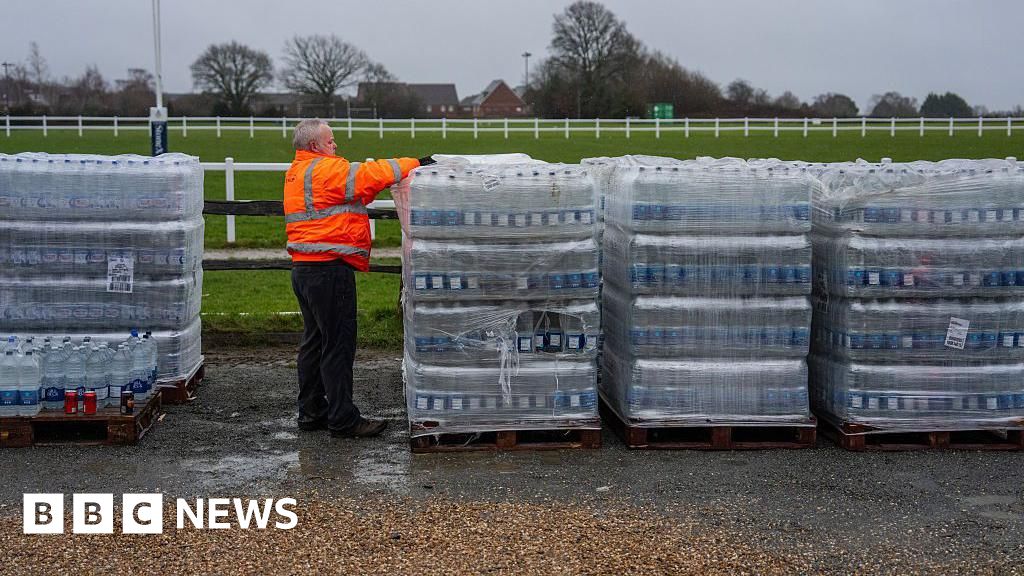
The disruptions peaked with approximately 30,000 individuals without water, and around 10,000 properties still awaiting supply restoration as of Wednesday. Ofwat already maintains an open investigation into SEW’s supply resilience, highlighting recurring issues.
Investors should closely monitor the outcome of this probe, as it could establish new precedents for regulatory enforcement, impact future dividend policies, and necessitate significant infrastructure investment across the entire UK water sector.
Key Data
| Metric / Area | Peak Disruption | Remaining Without Supply (as of Wednesday) | Properties with Supply Restored (East Grinstead) |
|---|---|---|---|
| Total People / Properties Affected | ~30,000 people | ~10,000 properties | N/A |
| East Grinstead Area | N/A | ~1,000 properties (expected overnight return) | 15,500 properties |
| Loose & Coxheath Area | ~2,000 properties | ~2,000 properties | N/A |
| Tunbridge Wells Area | N/A | Expected return by Friday morning (after 36-hour booster pump shutdown) | N/A |
Detailed Analysis
The formal investigation by Ofwat into South East Water (SEW) represents more than an isolated incident; it underscores profound challenges inherent in the privatized model of UK water utilities and the efficacy of regulatory oversight. Historically, the privatization of essential services like water in the UK, beginning in the late 1980s, aimed to boost efficiency and investment. However, repeated service failures, exacerbated by climate change impacts and aging infrastructure, have intensified debates regarding public versus private ownership and the adequacy of existing regulatory frameworks. This particular probe by Ofwat highlights a critical inflection point, emphasizing that the commercial viability of utility providers must be rigorously balanced against their fundamental public service obligations, ensuring consistent quality and availability.
Ofwat’s latest inquiry specifically targets SEW’s adherence to licence conditions concerning customer service and support, broadening an existing investigation into the company’s supply resilience and the efficiency of its water supply system. This dual focus suggests a more comprehensive regulatory approach, recognizing that operational failures directly impact consumer welfare and confidence. Lynn Parker, Ofwat’s senior director for enforcement, stressed the severe impact on households and businesses, especially during a crucial period, reinforcing the necessity of determining any licence breaches. The political dimension amplified significantly with the Prime Minister’s direct involvement, describing the situation as “clearly totally unacceptable” and requesting Ofwat to review SEW’s licence. While SEW has committed to full cooperation and implemented immediate operational responses, including deploying 26 tankers, the extended restoration timelines in areas like Tunbridge Wells, requiring a 36-hour booster pump shutdown, reveal systemic vulnerabilities that transcend short-term fixes.
Comparing the UK’s privatized water utility model with public ownership frameworks prevalent in other European nations reveals contrasting approaches to infrastructure investment and accountability. Within the UK, SEW’s struggles are not unique; other water companies have faced similar criticism for issues ranging from environmental concerns like sewage spills to persistent infrastructure failures. This current investigation by Ofwat, particularly with the Prime Minister’s intervention, suggests a potential hardening of regulatory enforcement across the sector. The heightened scrutiny on customer service standards, in addition to supply resilience, indicates a shift towards more holistic oversight. Investors should consider how these regulatory pressures might impact capital expenditure requirements, potentially diverting funds from shareholder payouts to essential infrastructure upgrades. The situation could serve as a template for future policy formulation, influencing how government and regulatory bodies tackle similar issues across diverse public utility sectors, demanding increased transparency and robust performance from regulated entities.
For Retail Investors, Swing Traders, Long-term Investors, and Finance Professionals, the Ofwat investigation into South East Water signals increased regulatory risk across the UK water utility sector. This could translate into tighter operating margins, higher capital expenditure needs for infrastructure improvements, and potentially reduced dividends to meet regulatory compliance and service level targets. Investors must assess their exposure to UK utility stocks, considering the potential for stricter enforcement actions and higher financial penalties. Key metrics to monitor include the investigation’s timeline, any proposed operational mandates for SEW, and broader government policy statements regarding infrastructure investment and utility ownership models. This event underscores the critical need for continuous due diligence on environmental, social, and governance (ESG) factors within regulated industries, as regulatory pressure and public sentiment increasingly influence financial performance and long-term sustainability. Vigilance in tracking policy shifts and industry performance will be paramount for informed investment decisions.
About the Author