Key Takeaways
Son details unsafe prison conditions for UK couple jailed in Iran amid protests. Examine UK foreign policy and consular support implications.
Overview
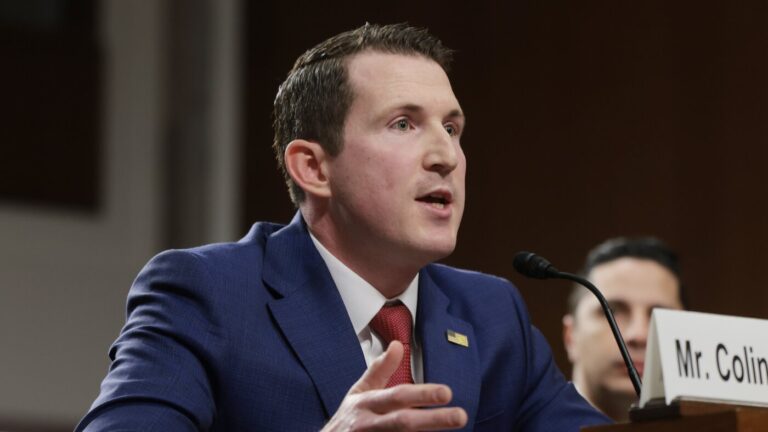
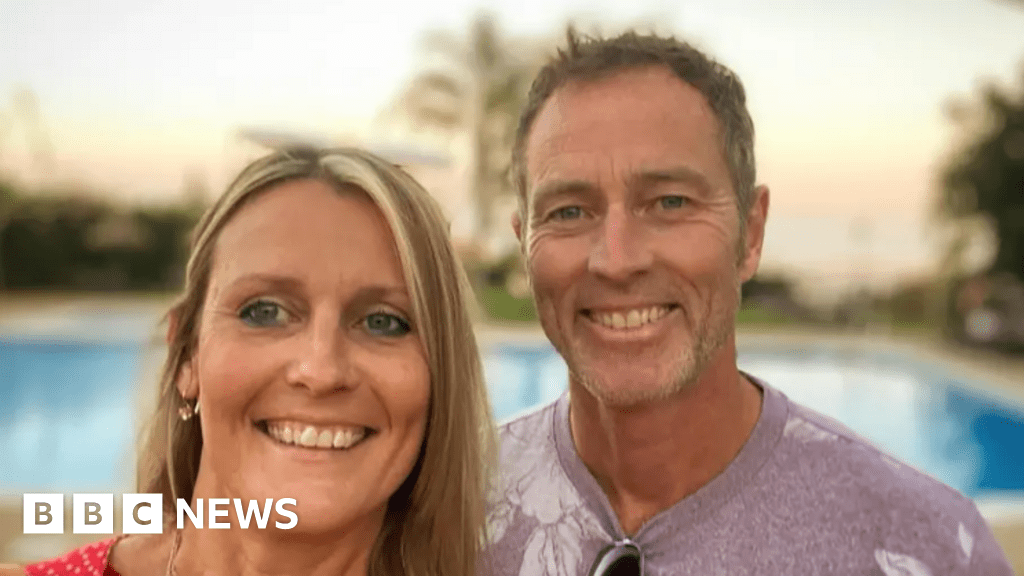
The son of a British couple currently detained in Iran has voiced profound concerns regarding their welfare amidst the ongoing anti-regime protests and the recent closure of the UK embassy in Tehran. Joe Bennett reported the detention conditions for his parents, Craig and Lindsay Foreman, as increasingly ‘unsafe’ and ‘frightening’, exacerbating an already fraught international diplomatic situation. The couple, arrested in January last year on spying charges, now face heightened risks as the political landscape within Iran remains volatile.
This development significantly impacts News Readers, Policy Watchers, Informed Citizens, and Political Analysts by highlighting the human cost of geopolitical tensions and questioning the efficacy of consular support in volatile regions. The UK government’s response and the future of diplomatic engagement with Iran are under scrutiny as the crisis deepens for the detained couple.
Bennett cited ‘overcrowding’ in the jail due to protests, along with reports of ‘vermin in the kitchen and in beds’, and daily ‘fights’. He noted that the Foreign and Commonwealth Development Office (FCDO) is ‘assessing the situation’ regarding their case.
The critical unfolding events demand close monitoring, particularly the UK’s diplomatic maneuvers and the Iranian authorities’ actions concerning the couple’s bail application, offering insights into international relations and citizen protection policies.
Detailed Analysis
The predicament of Craig and Lindsay Foreman, a British couple detained in Iran since January last year on espionage charges, underscores the complex and often perilous nature of international relations, particularly with nations experiencing internal political unrest. Historically, Iran has faced accusations of detaining foreign nationals, including those with dual citizenship, as leverage in broader diplomatic negotiations with Western powers. This pattern suggests a deep-seated geopolitical context for such arrests, extending beyond individual criminal allegations. The current situation is further complicated by widespread anti-regime protests across Iran, which, according to their son Joe Bennett, have led to severely deteriorated and overcrowded conditions within the prison system, creating a more dangerous environment for all detainees.
Bennett’s firsthand accounts, drawn from recent brief communications with his parents, paint a grim picture of their incarceration. He described ‘unsafe’ and ‘frightening’ conditions, specifying issues such as ‘vermin in the kitchen and in beds’, and significant ‘overcrowding’ exacerbated by the influx of individuals arrested during the ongoing protests. The reports of ‘fights that break out pretty much daily’ further emphasize the high-risk environment. The UK government’s Foreign and Commonwealth Development Office (FCDO) has publicly stated it continues to raise the Foremans’ case directly with Iranian authorities, yet Bennett expressed family ‘frustration’ over a perceived lack of high-level government advocacy. The temporary closure of the British Embassy in Tehran, following a security assessment for staff safety, complicates matters further, as the embassy was seen by the couple as a potential sanctuary upon release, leaving them without a clear exit strategy.
A notable point of stakeholder critique comes from Bennett’s comparison of the UK’s approach to that of other nations. He observed that countries like France, the US, and Italy often demonstrate ‘advocacy from them at the highest level of government’ when their citizens face similar predicaments, an action he feels the UK has not adequately pursued. This perspective from a directly impacted family member highlights a critical policy implication: the perceived effectiveness and consistency of a nation’s consular assistance. While diplomatic engagements remain a sensitive balance, the family’s desire for ‘a sign of solidarity’ suggests a gap in the perceived support. The formal submission of a bail application by the Foremans’ Iranian legal representatives and their assertion of the couple’s innocence against charges of spying mark crucial legal steps, but their success hinges on the broader political climate and diplomatic will.
For News Readers, Policy Watchers, Informed Citizens, and Political Analysts, this case offers a stark illustration of the challenges faced by citizens caught in geopolitical crosshairs. It prompts an examination of India Politics’ own consular responsibilities and the mechanisms available for protecting nationals abroad in similarly volatile states. Policy Watchers should monitor the UK government’s evolving diplomatic strategy, any further FCDO statements, and the progress of the bail application within the Iranian judicial system. The situation also underscores the broader implications of withdrawing diplomatic presence from crisis zones, questioning how such moves impact the safety and recourse options for a nation’s citizens. The interplay between domestic unrest in Iran, international diplomatic pressure, and the individual plight of detainees remains a key area for ongoing observation.
About the Author