Key Takeaways
Uganda’s 2026 presidential polls open amid disruptions, internet blackout. Museveni seeks 7th term against Bobi Wine. Track election integrity, policy impacts.
Overview
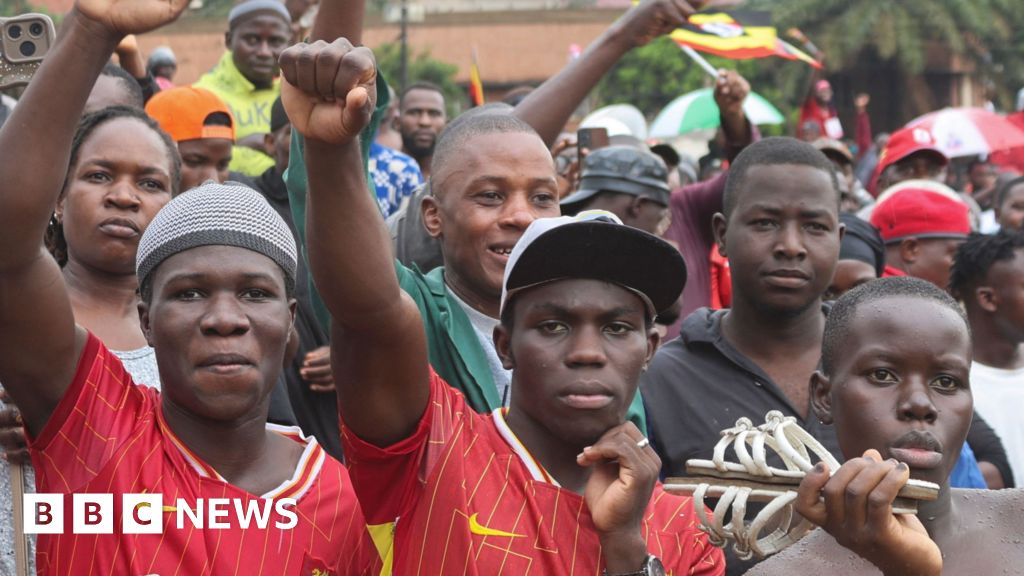
Polls have commenced in Uganda for a presidential election poised to extend nearly four decades of incumbent rule, yet the process faces widespread disruption. Logistical delays, exacerbated by an internet shutdown, have marred the start of voting across the country, raising immediate concerns about election integrity.
This pivotal election holds significant implications for News Readers, Policy Watchers, Informed Citizens, and Political Analysts observing democratic transitions in Africa. The contest pits 81-year-old President Yoweri Museveni against charismatic pop star-turned-politician Bobi Wine, 43, amidst a backdrop of escalating political tensions and economic challenges.
Key disruptions include biometric identification kit failures and a nationwide internet blackout, which Uganda’s Communications Commission claims prevents misinformation but has been condemned by the UN. In the 2021 elections, Museveni secured 59% of the vote against Wine’s 35%, a result Wine disputed alleging fraud.
The unfolding events highlight critical questions regarding governance, digital rights, and the stability of political transitions, demanding close monitoring of the electoral process and its immediate aftermath.
Key Data
| Candidate | 2021 Vote Share | Current Campaign Focus |
|---|---|---|
| Yoweri Museveni | 59% | Stability & Progress |
| Bobi Wine | 35% | Anti-corruption & Reforms |
Detailed Analysis
Uganda’s 2026 presidential election unfolds against a complex historical backdrop characterized by extended leadership and constitutional amendments. President Yoweri Museveni, a former guerrilla leader, has governed for nearly four decades, facilitated by the removal of both age and term limits. This longevity positions the current poll as a critical juncture for the nation’s political trajectory. Previous elections, notably 2012, were marked by significant violence, with a BBC investigation linking security forces to protest deaths. This history of repression, combined with recent accusations of security forces assaulting and detaining opposition supporters, casts a long shadow over the current electoral exercise. The consistent disruption of opposition activities, particularly Bobi Wine’s rallies, further underscores concerns about the fairness of the playing field. This pattern of control and suppression forms a crucial context for understanding the dynamics of the ongoing polls.
The current election has been immediately impacted by significant operational challenges. Polling stations in the capital, Kampala, experienced delays of over an hour, which observers attributed to failures of biometric identification kits. These technical issues are widely linked to a widespread internet shutdown initiated ahead of voting day. Uganda’s Communications Commission defended the blackout as necessary to combat misinformation and incitement of violence, an explanation rejected by Wine’s National Unity Platform (NUP) party, which suspects an attempt to hinder opposition mobilization and evidence sharing. The head of Uganda’s electoral body, Simon Byabakama, publicly acknowledged receiving threats against declaring specific results, emphasizing his commitment to upholding the voters’ decision. These interwoven logistical, technical, and security concerns directly challenge the perceived integrity and transparency of the electoral process from its inception.
Comparing the present situation to Uganda’s recent political history reveals a concerning continuity of electoral challenges. The 2021 elections, where Museveni secured 59% and Wine 35%, were dismissed by Wine as fraudulent, echoing a recurring theme of disputed outcomes. The campaign period leading to this election mirrors past patterns of opposition harassment, with both the United Nations and Amnesty International reporting politically motivated arrests and the violent disruption of Wine’s rallies, contrasting sharply with the unobstructed activities of Museveni’s campaign. This stark difference in treatment highlights persistent concerns about unequal political space. The internet shutdown, while framed as a measure against misinformation, draws parallels to similar actions in other authoritarian contexts, raising questions about digital rights and freedom of expression during critical political periods. [Suggested Matrix Table: Comparison of 2021 Election Results vs. 2026 Campaign Issues (Museveni’s Stability vs. Wine’s Reforms, Election Integrity Concerns)]
For News Readers, Policy Watchers, Informed Citizens, and Political Analysts, the Ugandan election offers crucial insights into the enduring challenges of democracy and governance in regions with long-serving leaders. The widespread logistical failures, coupled with the internet shutdown and allegations of opposition suppression, will be key metrics to monitor for assessing the legitimacy of the electoral outcome. The economic concerns, particularly youth unemployment and infrastructure disparities, remain central motivators for many voters, suggesting that the post-election landscape will be heavily influenced by the government’s ability to address these issues. Observers should closely track the official results announcement by Saturday and watch for both domestic reactions and international responses, particularly from organizations focused on human rights and democratic processes. The election’s immediate aftermath will test Uganda’s institutional resilience and the prospects for peaceful political evolution.
About the Author