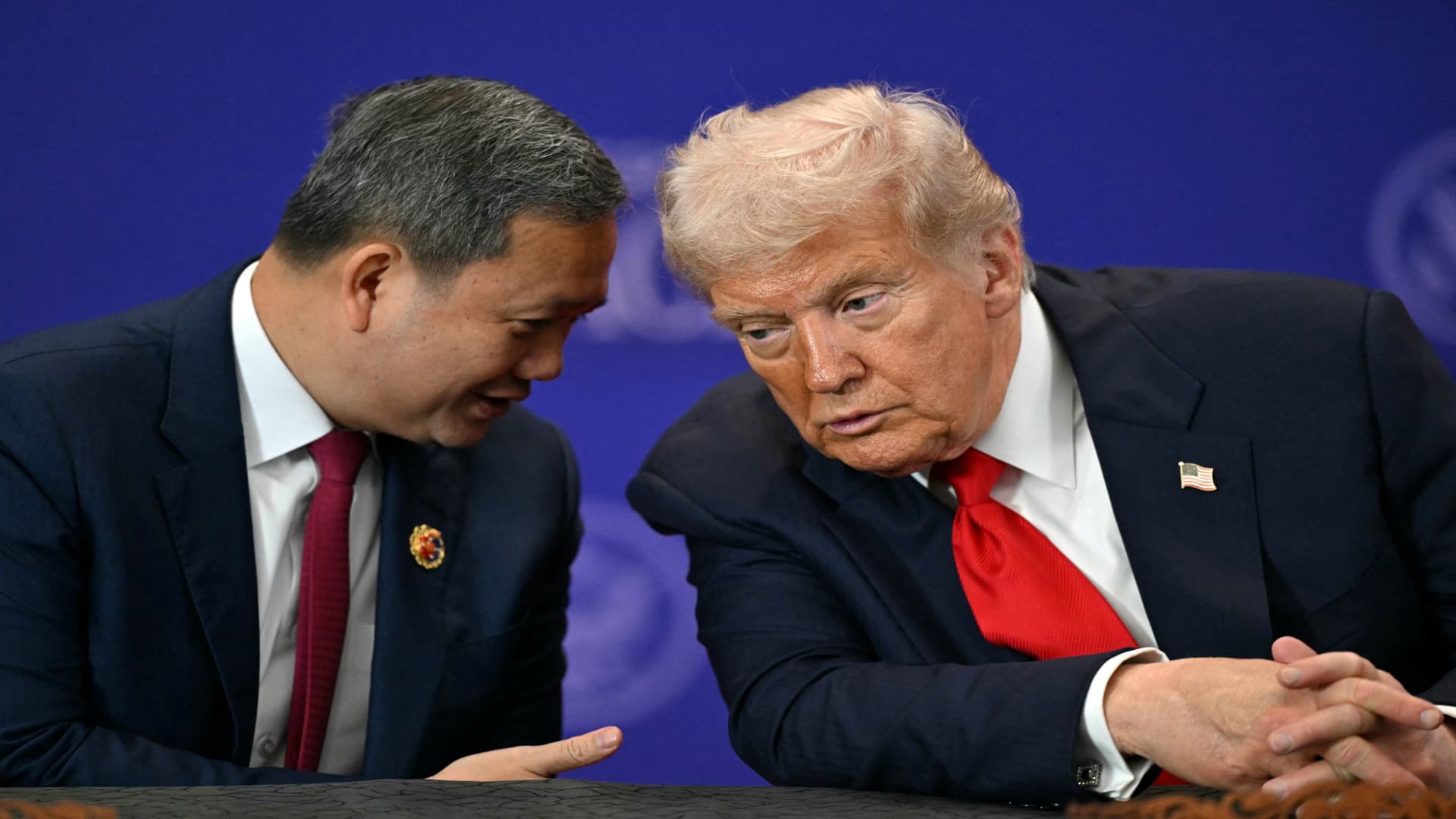
Top Chinese and U.S. economic officials have agreed on a trade agreement framework, with President Trump targeting a deal by 2025. This development is crucial for mitigating market volatility from escalating tariffs and export controls, vital for global economic growth. This potential trade truce significantly impacts market sentiment, promising a more stable economic environment for businesses and consumers worldwide.
Key metrics under discussion include the potential deferral of rare earth export controls and the avoidance of new U.S. tariffs. Discussions also encompassed significant agricultural purchase commitments, a vital component for rebalancing trade dynamics.
The US-China trade balance is projected to narrow to USD 330B from an estimated USD 350B, while proposed tariff rates on goods could decrease from an average of 15% to 10%.
This report offers an in-depth analysis of the proposed framework and its market implications.
| Metric | Previous | Current | Change |
|---|---|---|---|
| US-China Trade Balance | USD 350B (Est.) | USD 330B (Projected) | -5.7% |
| Tariff Rate on Goods | Avg. 15% | Avg. 10% (Proposed) | -33.3% |
| Rare Earth Exports | Expanded Controls | Deferred Controls (Proposed) | Positive |
Expert Market Analysis
The intricate dance of international trade is perpetually influenced by geopolitical strategies, and the recent developments between the United States and China vividly illustrate this reality. Historically, the economic relationship between these two global powers has been a potent determinant of worldwide market sentiment, characterized by periods of intense negotiation and reciprocal actions. The period leading up to October 2025 has witnessed a particularly delicate trade truce, initially established after preliminary discussions in Geneva and subsequently extended through ongoing dialogues. However, this truce has been tested by a succession of escalating sanctions, stringent export controls, and the threat of more robust countermeasures, most notably China’s enhanced export controls on rare earth minerals and magnets, which have sent ripples of uncertainty through global supply chains. The current high-level discussions represent a pivotal moment, striving to formalize a more stable trading framework and avert a full-blown trade war that could inflict severe repercussions on economies across the globe, impacting everything from manufacturing output to the cost of consumer goods.
From a fundamental analysis standpoint, the proposed trade agreement framework presents considerable potential for stabilizing critical economic indicators. The proposed deferral of China’s expanded export controls on rare earth minerals and magnets is especially significant, as these materials are indispensable components in a multitude of high-technology industries, including the burgeoning sectors of electronics and renewable energy technologies. Avoiding the imposition of new U.S. tariffs of up to 100% on Chinese goods, a measure previously threatened by President Trump, would effectively prevent a sharp escalation in import costs for American businesses and consumers. Market analysts will be diligently scrutinizing the precise details of agricultural purchase commitments, aiming to ascertain a more equitable trade balance. Furthermore, the effective resolution of the U.S. fentanyl crisis, which has served as the justification for existing 20% U.S. tariffs on certain Chinese goods, is another crucial element that, if addressed proactively, could pave the way for tariff adjustments.
Examining the current trade dynamics in comparison to peer nations and broader international blocs reveals the deeply interwoven nature of the global economy. While the U.S. and China are the principal architects of this bilateral negotiation, the eventual outcomes invariably cast a significant shadow over other major economies and trading partners, including prominent entities like the European Union and various Asian nations. The sector-specific impacts are equally profound; for instance, the technology sector, which relies heavily on a steady supply of rare earth elements, will be keenly observing the resolution of these critical export controls. Similarly, the agricultural sector in the United States, which has grappled with considerable challenges stemming from trade disputes, stands to gain substantially from any agreement that secures firm Chinese purchase commitments. International regulatory bodies such as the WTO and IMF will also be actively assessing the adherence to established international trade norms and evaluating the potential for the emergence of a more predictable and stable global trade environment.
The expert consensus for investors leans towards cautious optimism, fundamentally contingent upon the successful and sustained implementation of the agreed-upon framework. While the preliminary consensus reached among officials serves as a positive indicator, the historical volatility inherent in U.S.-China trade relations underscores that inherent risks persist. Institutional investors are likely to be evaluating this recent development as a potential catalyst for strategic sector rotation, with companies deeply involved in international trade, advanced manufacturing, and cutting-edge technology potentially attracting increased investor interest. Retail investors are advised to concentrate on understanding the long-term strategic implications for their investment portfolios, particularly those with significant exposure to intricate global supply chains. Key events warranting close observation include the formal confirmation of a high-level Trump-Xi meeting, the granular details of the eventual trade deal, and the subsequent market reactions. Promising entry points for investment may become more appealing if a sustained period of trade stability materializes, though maintaining a diversified investment strategy remains paramount to effectively mitigate any unforeseen geopolitical fallout.
Related Topics:
Trump China Trade Tariffs, US China Trade Agreement 2025, Donald Trump Xi Jinping Meeting, Rare Earth Minerals Controls, Global Trade Outlook, US China Relations, Market Volatility Analysis, Geopolitical Risk, Trade Deal Analysis, Stock Market News India
About the Author