Key Takeaways
Analysis of Trump’s $82M bond buys in tech & finance. Understand 2025 market impacts, investor strategy, and outlook for key companies.
Market Introduction
Analysis of Trump’s $82M bond buys in tech & finance sectors reveals key insights into 2025 market impacts and investor strategy. This significant move by President Trump offers a unique lens for assessing market sentiment and potential growth areas in crucial industries.
This investment is vital for understanding potential market shifts and the President’s personal financial strategy. Gauging market sentiment is key for identifying sectors poised for growth or regulatory changes.
Key metrics show diversified investments across corporate and municipal debt, including tech and financial institutions. As of market close today (Nov 12, 2025), specific yields are under review.
This analysis delves into the broader market implications.
In-Depth Analysis
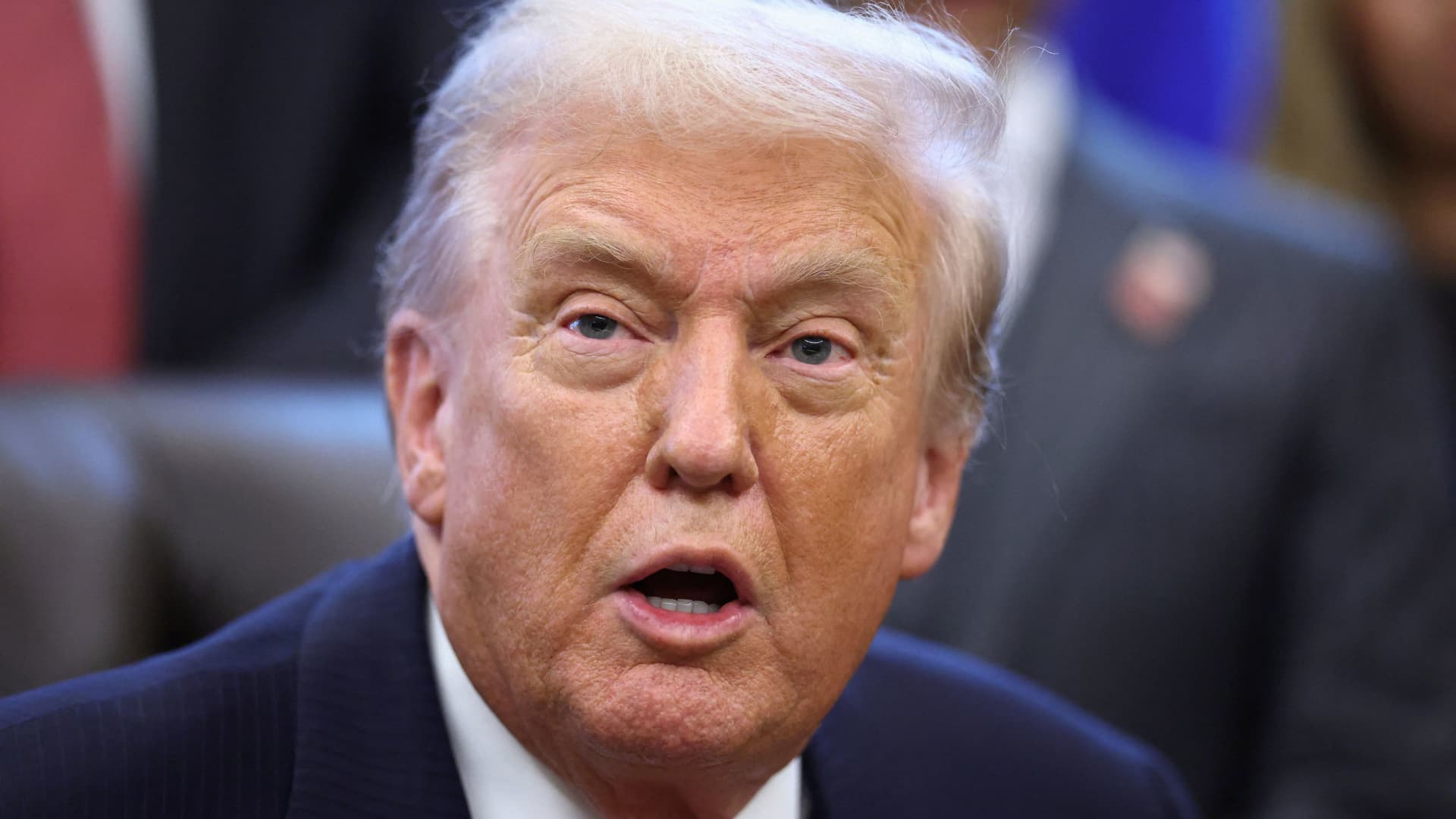
The recent disclosures of President Donald Trump’s acquisition of at least $82 million in corporate and municipal bonds between late August and early October 2025 offer a nuanced view of market engagement. These purchases, totaling over 175 transactions, are particularly notable given their timing and the inclusion of companies in sectors historically favored by the administration’s policies, such as financial deregulation. The total reported value of these bond acquisitions, exceeding $337 million, indicates a substantial commitment to fixed-income assets. Historical market patterns suggest that significant capital allocation by prominent figures can influence investor sentiment, though direct impact is subject to numerous market forces. This period coincided with a generally stable, yet dynamic, market environment, making the specific sector choices particularly telling for market watchers. The article thus provides an essential deep dive into the implications of these strategic financial moves for the upcoming year.
A deeper dive into the fundamental and technical aspects reveals strategic asset selection. The inclusion of bonds from chipmakers like Broadcom (AVGO) and Qualcomm (QCOM), tech firms such as Meta Platforms (META), retailers like Home Depot (HD) and CVS Health (CVS), and Wall Street institutions including Goldman Sachs (GS), Morgan Stanley (MS), and JPMorgan Chase (JPM), points towards a diversified approach within the corporate bond market. The acquisition of Intel (INTC) bonds, especially after the U.S. government took a stake in the company, raises questions about potential information asymmetry or strategic alignment. While exact yields and maturity dates aren’t detailed in public filings, the choice of these established entities suggests a focus on perceived stability and growth potential. Market analysts scrutinize such moves for indicators of future economic trends, with particular attention to companies in technological advancement and consumer spending, reflecting keen interest in EBITDA margins and free cash flow.
Comparing Trump’s bond investments to broader sector trends and peer activities provides critical context. The IT and financial sectors, prominently featured, have experienced varied performance throughout 2025. While the tech sector has shown resilience, driven by ongoing digital transformation initiatives, financial institutions have navigated evolving regulatory landscapes. Companies like Broadcom and Qualcomm are at the forefront of semiconductor innovation, a critical area for national economic strategy. Major banks like JPMorgan Chase and Goldman Sachs play a pivotal role in the U.S. financial system. The article mentions President Trump’s request for an investigation into JPMorgan over its ties to Jeffrey Epstein, adding complexity to the bank’s inclusion in his portfolio. Regulatory impacts, particularly concerning data privacy and market oversight, continue to shape the operating environment for these entities, affecting their P/E ratios and overall valuation.
The expert takeaway from these disclosures suggests a deliberate, albeit opaque, investment strategy. While the administration states the portfolio is managed by a third party, the alignment of investments with policy outcomes raises questions for retail and institutional investors. Opportunities lie in identifying sectors poised for growth due to governmental focus or deregulation, as indicated by the bond purchases. However, inherent risks include potential conflicts of interest and the unpredictable nature of geopolitical and economic shifts. Key events to watch include future financial disclosures and policy announcements directly affecting these sectors. For investors considering entry or exit points, a thorough analysis of individual company fundamentals and broader market sentiment is paramount, especially given the potential for policy-driven market volatility, with analyst price targets being a key consideration.
About the Author