Key Takeaways
Analysis of Trump’s $1B BBC lawsuit over edited speech. Explore defamation claims, media outlook for 2025, and expert insights for investors.
Market Introduction
Trump’s $1B BBC lawsuit threat highlights global media accountability for investors. This incident underscores potential financial and reputational risks for media organizations, impacting investor confidence. The BBC has apologized but rejected compensation claims. As of market close today (Nov 12, 2025), the legal dispute centers on defamation allegations, with Trump’s team seeking $1 billion in damages. We delve into the dispute’s implications for the media industry.
This significant legal dispute involving a former U.S. President brings media accountability into sharp focus for global investors and financial analysts. Understanding these potential risks is crucial for portfolio diversification.
Key metrics to watch include potential settlement costs for the BBC and impact on its viewership and advertising revenue. The ongoing legal proceedings will be closely monitored by industry peers.
This analysis explores defamation claims and the media outlook for 2025.
In-Depth Analysis
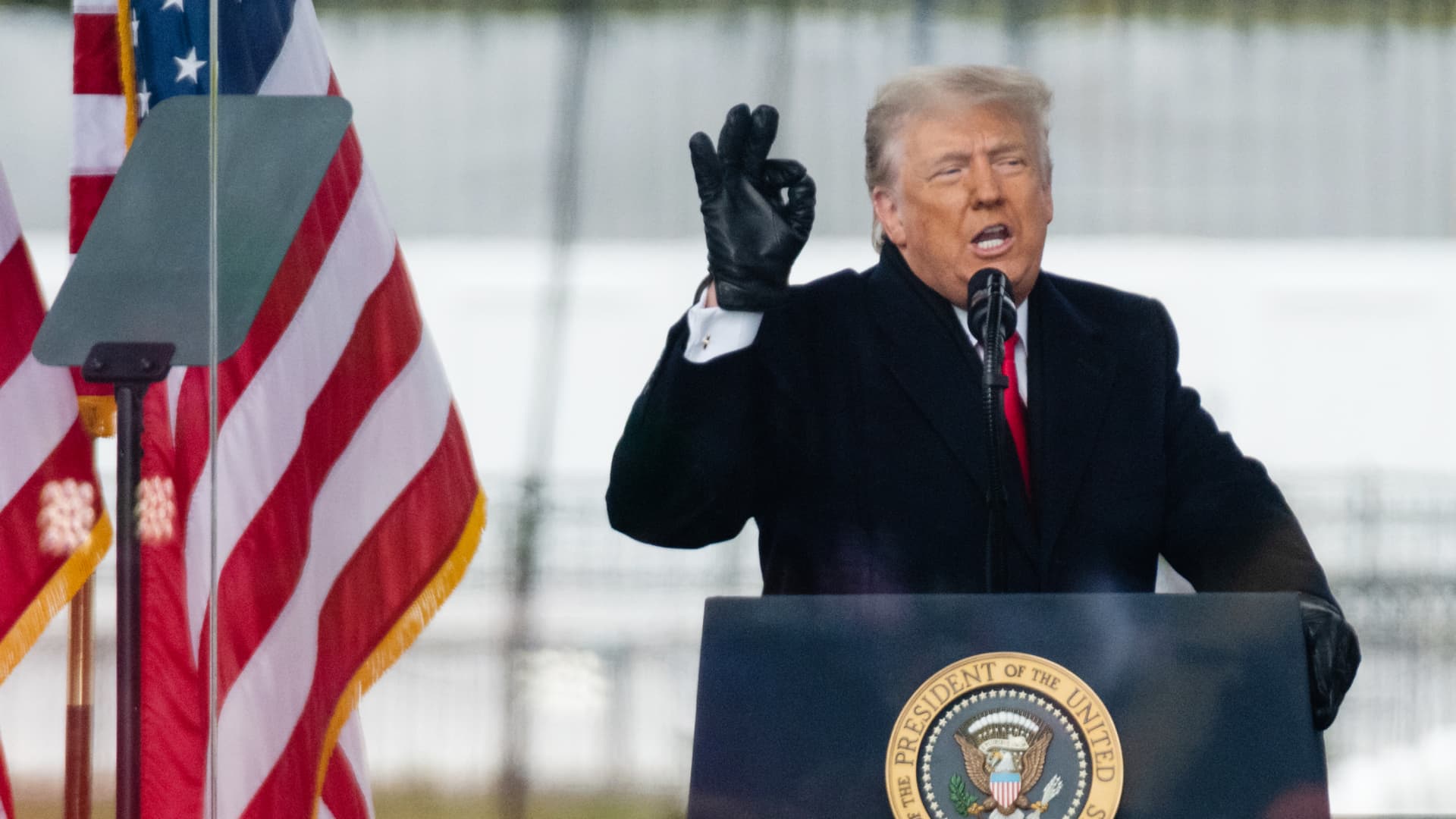
The threat of a $1 billion lawsuit by former U.S. President Donald Trump against the BBC represents a critical juncture in media-political relations. This situation stems from allegations that a BBC documentary selectively edited footage of Trump’s January 6, 2021 speech, creating a misleading impression that he directly incited supporters to attack the U.S. Capitol. The BBC has since apologized for an “error of judgment,” acknowledging the edit could have been misleading, but has reportedly rejected compensation claims. This dispute, unfolding in late 2025, places significant scrutiny on the editorial standards and potential biases within global broadcasting corporations, particularly concerning politically charged content. Historical precedents show political figures targeting media for perceived slights, often leading to protracted legal battles.
From a fundamental analysis perspective, the core issue revolves around defamation and reputational harm. Trump’s legal team claims “overwhelming financial and reputational harm,” demanding a retraction, apology, and compensation. The BBC, while admitting an error, maintains no basis for a defamation claim. This legal battle could set precedents. Key metrics to monitor include the BBC’s financial reserves for potential settlements, public perception of the broadcaster’s editorial integrity, and the efficacy of their legal strategies. Analysts will be examining the BBC’s internal review processes and adherence to journalistic ethics, especially given its charter and public funding model, while considering the potential impact on advertising revenue and subscriber numbers if trust erodes. The legal concept of “malice” in defamation law will likely be central to the proceedings.
In terms of sector and peer comparison, this incident places the BBC under intense scrutiny, akin to challenges previously faced by entities like Fox News or CNN. However, the BBC operates under a distinct public service broadcasting model, primarily funded by a license fee, subjecting it to different accountability levels compared to purely commercial entities. Competitors and other global broadcasters will monitor the outcome closely, assessing potential impacts on regulatory frameworks or industry self-governance. The global media landscape is increasingly fragmented and polarized, making the BBC’s defense of its editorial independence crucial. Industry trends indicate a growing tension between aggressive political discourse and the necessity for impartial reporting. The response from the UK government reflects a broader, ongoing debate about media freedom and accountability.
Expert takeaways point to a complex legal and public relations challenge for the BBC. While the corporation has issued an apology, its strong disagreement with the basis for a defamation claim suggests a robust defense will be mounted. For investors, the risks lie in potential prolonged legal battles, negative publicity affecting viewership and reputation, and broader implications for journalistic freedom. The opportunity for the BBC resides in reinforcing its commitment to accuracy and impartiality. Key events to watch include the November 14th deadline for responses and any official statements from regulatory bodies. The ultimate outcome could influence future dispute resolutions and underscore the importance of meticulous editorial oversight in broadcasting.
About the Author