Key Takeaways
Thailand’s deadly crane collapse reveals critical infrastructure safety policy gaps. Analyze government oversight, contractor liability, and global implications.
Overview
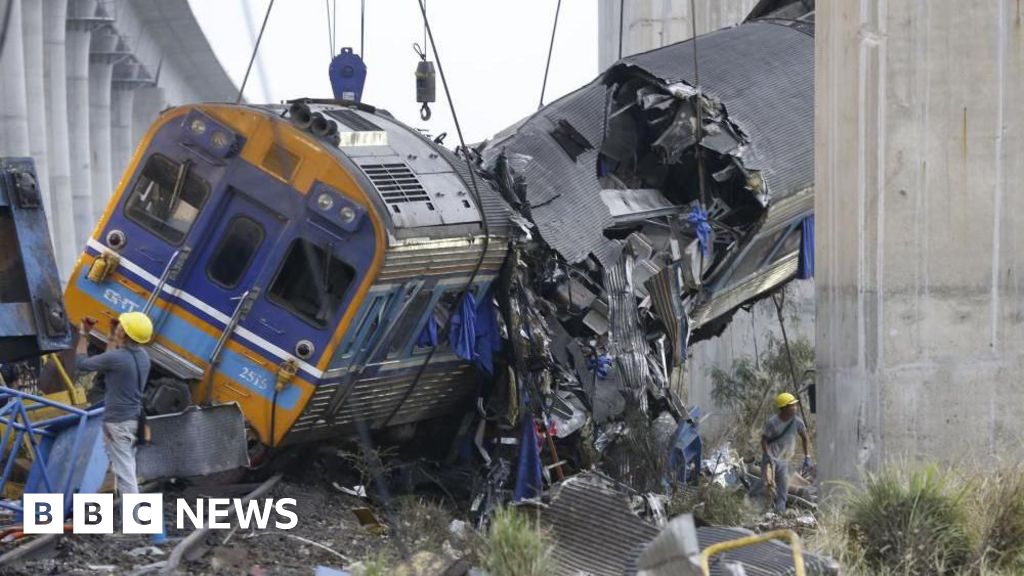
A devastating incident in Ban Thanon Khot, Thailand, has brought critical infrastructure safety into sharp focus, raising questions about governmental oversight and contractor accountability on large-scale projects. The collapse of a construction crane onto a moving train resulted in the tragic deaths of 32 people and left 66 injured, many students and workers.
For News Readers and Policy Watchers globally, this event underscores profound policy implications inherent in rapid infrastructure development, particularly concerning projects backed by international investment. It highlights the urgent need for robust safety standards and rigorous enforcement.
The crane, part of a US$5.4bn China-backed high-speed rail initiative linking Bangkok to southwestern China via Laos, collapsed on Wednesday. Authorities report seven individuals remain in critical condition, including a one-year-old child and an 85-year-old.
The Thai Prime Minister has initiated an investigation, while the State Railway of Thailand has announced legal action against the Italian-Thai Development Company. This incident serves as a stark reminder for governments to re-evaluate infrastructure safety policy and contractor accountability.
Key Data
| Incident Metric | Details |
|---|---|
| Fatalities Reported | At least 32 |
| Injuries Reported | 66 (7 critical) |
| Affected Project | US$5.4bn China-backed overhead railway |
| Contracting Firm | Italian-Thai Development Company |
Detailed Analysis
The tragic crane collapse in Thailand, while a localized disaster, resonates across the broader geopolitical and economic landscape, particularly concerning large-scale infrastructure projects in developing nations. Southeast Asia has witnessed a surge in such ventures, often funded by international partners like China, aiming to bolster connectivity and economic growth. These ambitious projects, exemplified by the US$5.4 billion railway linking Bangkok to southwestern China via Laos, are critical for regional development but simultaneously introduce complex challenges related to project management, regulatory oversight, and public safety. Thailand’s history, unfortunately, includes instances of construction mishaps, signaling a persistent struggle with safety enforcement amidst rapid development. This incident serves as a critical juncture, compelling a reassessment of how governments balance economic imperatives with the paramount need for stringent safety protocols and effective governance in infrastructure development.
The immediate aftermath of the crane collapse saw a swift governmental response, with Thai Prime Minister Anutin Charnvirakul promptly calling for a comprehensive investigation into the incident. Concurrently, the State Railway of Thailand initiated legal proceedings against the Italian-Thai Development Company, the firm directly responsible for the ill-fated section of the overhead railway. This dual approach of official inquiry and legal accountability highlights the political and legal ramifications facing key stakeholders. Experts, such as Professor Amorn Pimanmas from Bangkok’s Kasetsart University, have already indicated that human factors are the more probable cause of the tragedy, ruling out natural events like storms or seismic activity. This expert opinion places considerable scrutiny on the contracting company’s operational protocols and safety adherence. Notably, the Italian-Thai Development Company has a prior record of concern, having been implicated in a Bangkok skyscraper collapse during an earthquake where other structures remained intact. This history intensifies questions surrounding contractor reliability and the adequacy of project oversight mechanisms, which are central to robust policy frameworks.
The tragic collapse in Ban Thanon Khot underscores systemic challenges in construction safety within Thailand, reflecting broader issues in many rapidly developing economies. Thailand’s documented history includes weak enforcement of safety standards, leading to a concerning pattern of deadly accidents. A 2023 freight train collision killed eight, and a major road improvement project claimed approximately 150 lives over the past seven years. This recurring pattern necessitates a more robust governmental policy on project safety and contractor vetting. When compared to nations with rigorous regulatory frameworks, Thailand’s record indicates a critical gap. The international scale of the China-backed railway further highlights the imperative for harmonized safety standards and clear accountability in multinational partnerships, offering crucial lessons for global infrastructure policy.
For News Readers, Policy Watchers, Informed Citizens, and Political Analysts, this incident offers critical lessons beyond Thailand’s borders. It highlights the indispensable role of robust governmental policy and stringent regulatory enforcement in ensuring public safety, particularly in the context of extensive infrastructure development. Stakeholders should monitor the ongoing investigation, focusing on its findings regarding human error, regulatory lapses, and contractor accountability. The outcome could set precedents for liability and safety protocols in similar international projects, including those under India’s own ambitious infrastructure drive. Governments globally must learn from such tragedies by strengthening legal frameworks, enhancing oversight mechanisms, and imposing stricter penalties on negligent contractors. Proactive policy reforms that prioritize safety over expediency are essential to prevent future calamities, safeguarding lives and public trust in large-scale national and international ventures.
About the Author