Key Takeaways
Taiwan Security Event raises stability concerns for global investors. Analyze potential market ripple effects, regional risk perception, and key considerations for Indian investors in 2025.
Market Introduction
A recent violent security incident at Taipei’s primary metro station has significantly heightened discussions among global investors regarding regional stability and public safety. While no immediate, direct impact on the Stock Market India or major indices like the NSE and BSE is evident, such events subtly influence broader Asian market sentiment and risk perception, particularly for long-term investors.
This development prompts retail investors, swing traders, long-term investors, and finance professionals to critically assess non-financial risks. Geopolitical stability and infrastructure resilience become crucial factors in evaluating regional investment flows, extending beyond typical economic indicators.
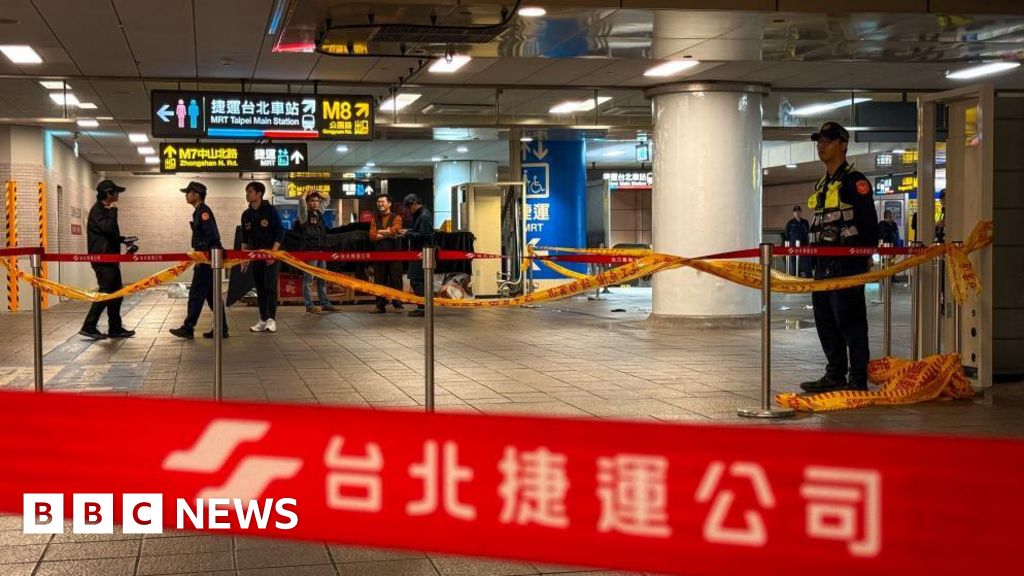
The incident involved a 27-year-old suspect, resulting in three fatalities and nine injuries across two busy metro locations in Taipei. Taiwan, known for its low violent crime rates, last experienced a similar major metro attack over a decade ago in 2014, making this an unusual security development.
This analysis will delve into the indirect investor implications for Investment and Trading, examining key metrics and considerations for various investor segments as global financial analysis frameworks adapt to emerging risks.
In-Depth Analysis
The recent security breach within Taipei’s bustling metro system, characterized by a violent knife attack and the deployment of smoke bombs, offers a critical perspective on non-financial risks that invariably impact investor confidence. Taiwan, recognized globally as a pivotal hub in the technology supply chain and an economy lauded for its inherent stability, experiences such domestic security incidents with extreme rarity. This particular event, unfolding during the city’s peak evening rush hour, serves as a stark and urgent reminder that unforeseen geopolitical shifts and public safety factors can rapidly emerge, potentially influencing foreign direct investment (FDI) inflows and broader market sentiment. Historically, economies demonstrating high levels of political and social stability are typically priced with a lower risk premium in global capital markets. An isolated, albeit tragic, event like this, while not immediately triggering a dramatic market downturn, necessitates a re-evaluation of this inherent stability among finance professionals and long-term investors. The swiftness and decisive nature of the government’s response, including immediately heightened security measures at critical transport hubs like airports and railway stations, will be paramount in effectively mitigating any lingering investor anxiety and preserving the nation’s perceived low-risk profile.
From a rigorous financial analysis perspective, direct, quantifiable metrics that can be immediately linked to the economic aftermath of this specific incident are not readily available in its immediate aftermath. However, the incident’s strategic location at Taipei Main Station and Zhongshan Station, both integral arteries of Taipei’s commercial and daily life, inherently suggests potential, albeit currently unquantified, short-term disruptions to local commerce and public transport usage. For investors whose portfolios hold Taiwan-centric assets or significant exposure to regional supply chains, the primary concern now pivots towards a comprehensive assessment of infrastructure resilience and the tangible effectiveness of crisis management protocols. While specific company earnings reports, technical levels for individual Taiwanese stocks, or broader indices like the Taiwan Stock Exchange Weighted Index (TAIEX) are not directly impacted by the granular details of the attack itself, the prevailing narrative surrounding a nation’s stability and its ability to ensure public safety represents a powerful, if often intangible, market factor. This intangible risk can influence long-term capital allocation decisions. Furthermore, the suspect’s unclear motive and subsequent death mean that a definitive resolution regarding the broader threat landscape remains pending. This prolonged uncertainty warrants a continued watchful eye on potential indirect investor implications, particularly concerning the perception of sovereign risk and the long-term cost of capital for Taiwanese entities.
A comparative analysis of this recent event with the 2014 metro attack in Taipei, which similarly involved multiple fatalities, provides valuable historical context for current investor considerations. During that earlier incident, while public shock was significant, Taiwan’s financial markets notably demonstrated resilience, with no long-term structural impact observed on its financial standing or key macroeconomic indicators. This historical precedent suggests that isolated, albeit deeply tragic, domestic security incidents within highly stable economies often trigger a contained, short-term emotional response in markets rather than engendering sustained market downturns or fundamental shifts in economic outlook. However, a critical differentiation must be made: the current global geopolitical climate is arguably far more sensitive, volatile, and interconnected than it was a decade ago. This heightened sensitivity means that finance professionals and institutional investors are now compelled to scrutinize such events with greater intensity, seeking any potential signs of broader, systemic instability that could cascade across the Asian region. The Taiwanese government’s swift, proactive response in enhancing security measures is a crucial differentiating factor, working to distinguish this incident from scenarios involving unaddressed or prolonged security concerns. For Indian investors monitoring the Stock Market India, NSE, BSE, Nifty, and Sensex, the financial analysis remains largely indirect, primarily focusing on shifts in overall Asian market sentiment rather than necessitating specific, immediate stock comparisons or technical trading adjustments related to Taiwanese equities.
For Retail Investors, Swing Traders, Long-term Investors, and Finance Professionals actively monitoring the evolving global landscape and engaged in Investment and Trading, the Taipei metro incident primarily functions as a potent reminder to meticulously factor in unexpected risk events into their comprehensive investment thesis. While no immediate, direct actionable trading signals or quantifiable impact on Indian indices like the Nifty or Sensex are indicated by this specific event, it unequivocally reinforces the paramount importance of continuously monitoring political stability and public safety dynamics across key economic regions globally. Long-term investors, particularly those with existing exposure to Taiwanese assets or broader regional Asian funds, should diligently observe subsequent government responses, any potential shifts in public policy, and future economic data releases for any nascent signs of sustained impact on consumer confidence, tourism sectors, or the broader manufacturing output. Conversely, Swing Traders might vigilantly watch for any fleeting market overreactions stemming from broader regional risk narratives, though the direct connection to Indian markets remains tenuous and highly indirect. The overarching critical takeaway is the imperative to maintain a well-diversified portfolio, rigorously conduct ongoing financial analysis, and remain exceptionally well-informed on geopolitical developments. Understanding that while this incident is localized, investor sentiment can be broadly sensitive to perceived increases in risk, thus warranting continued vigilance and adaptive strategy in your Investment planning for 2025 and beyond.
About the Author