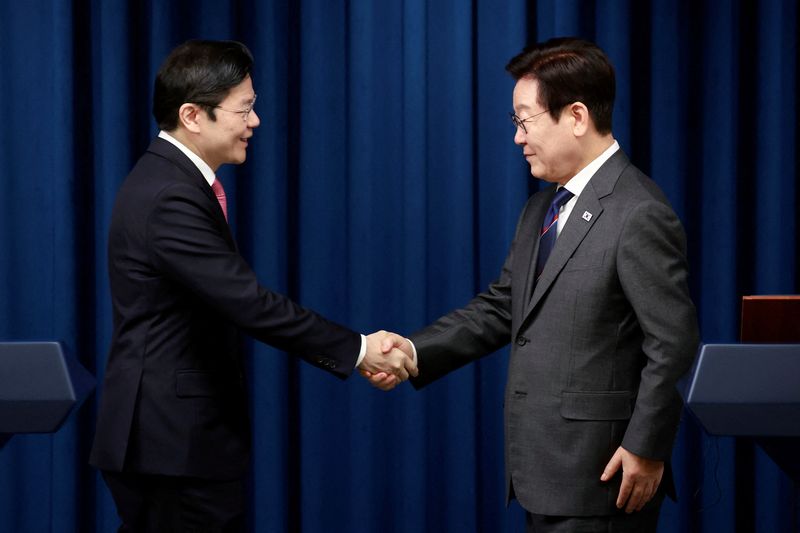
South Korea’s economy is set for a strong turnaround in 2025, signaling renewed growth and stability for the Asian powerhouse. This positive development is expected to significantly influence global market sentiment and investor confidence.
This projected economic shift is vital for investors, as a robust South Korean economy impacts regional trade relations and capital flows across Asia, creating ripples in broader financial markets.
Key economic indicators like GDP growth, inflation, and employment are anticipated to reflect this positive momentum, providing tangible data for informed analysis.
This report delves into the factors driving this optimism and its market effects.
Expert Market Analysis
The South Korean economy is charting a course for a notable turnaround in 2025, a projection substantiated by early indicators of renewed growth and stability. Historically, such optimistic pronouncements from national leadership often precede strategic policy adjustments designed to bolster economic momentum. Following a period of subdued performance, this positive outlook, if validated by robust economic data, could ignite a significant wave of market confidence, not only within South Korea but also across broader Asian financial markets. A resurgent South Korea often acts as a vital economic engine, wielding considerable influence over regional trade dynamics and investment patterns. In the current global economic climate, characterized by persistent inflation concerns and geopolitical uncertainties, this anticipated turnaround offers a potential anchor of stability for Asian economies.
At the core of this projected recovery lies a critical examination of key economic fundamentals. Analysts will be meticulously scrutinizing metrics such as export volumes, manufacturing output, and consumer spending trends to validate assertions of economic resurgence. The nation’s current account balance and foreign exchange reserves will serve as crucial indicators of its international financial health; sustained improvement in these areas would strongly support the narrative of a corner turned. Furthermore, the trajectory of inflation and the Bank of Korea’s monetary policy decisions will be pivotal. The performance of major South Korean conglomerates, including industry leaders like Samsung Electronics and Hyundai Motor Group, will offer further insights into the corporate health and investment appetite within the country.
In terms of peer comparison, South Korea’s economic performance is frequently benchmarked against regional giants such as Japan, China, and Taiwan. Recent data may reveal South Korea either leading or trailing its competitors in specific sectors. For instance, a strong recovery in the automotive sector could see it outperforming regional rivals grappling with supply chain disruptions or weaker domestic demand. Conversely, if the technology sector, a cornerstone of South Korea’s GDP, exhibits a more moderate recovery compared to China’s advancements in AI and semiconductors, it could present a more nuanced picture. The influence of global trade policies, particularly US-China trade relations, will also significantly shape the competitive landscape for South Korean exports, impacting overall market share.
For both retail and institutional investors, the outlook suggests a stance of cautious optimism. While presidential statements carry considerable weight, thorough due diligence remains essential. Potential risks, such as external shocks like renewed trade tensions or commodity price volatility, could derail the nascent recovery. However, opportunities are likely to emerge in promising sectors such as renewable energy, advanced manufacturing, and digital infrastructure, bolstered by government initiatives and technological innovation. Investors are advised to closely monitor upcoming economic reports for concrete data supporting the positive sentiment, including pronouncements from the Bank of Korea and quarterly earnings from leading corporations. Any market overreaction to less-than-stellar data could present an entry point for fundamentally sound companies, assuming the long-term recovery trend persists.
Related Topics:
South Korea Economy 2025, Korean GDP Growth, Asian Market Analysis, South Korea Stock Market, Economic Recovery South Korea, President Lee Economic Policy, Samsung Electronics Stock, Hyundai Motor Group Outlook, BSE South Korea, NSE Asia
About the Author