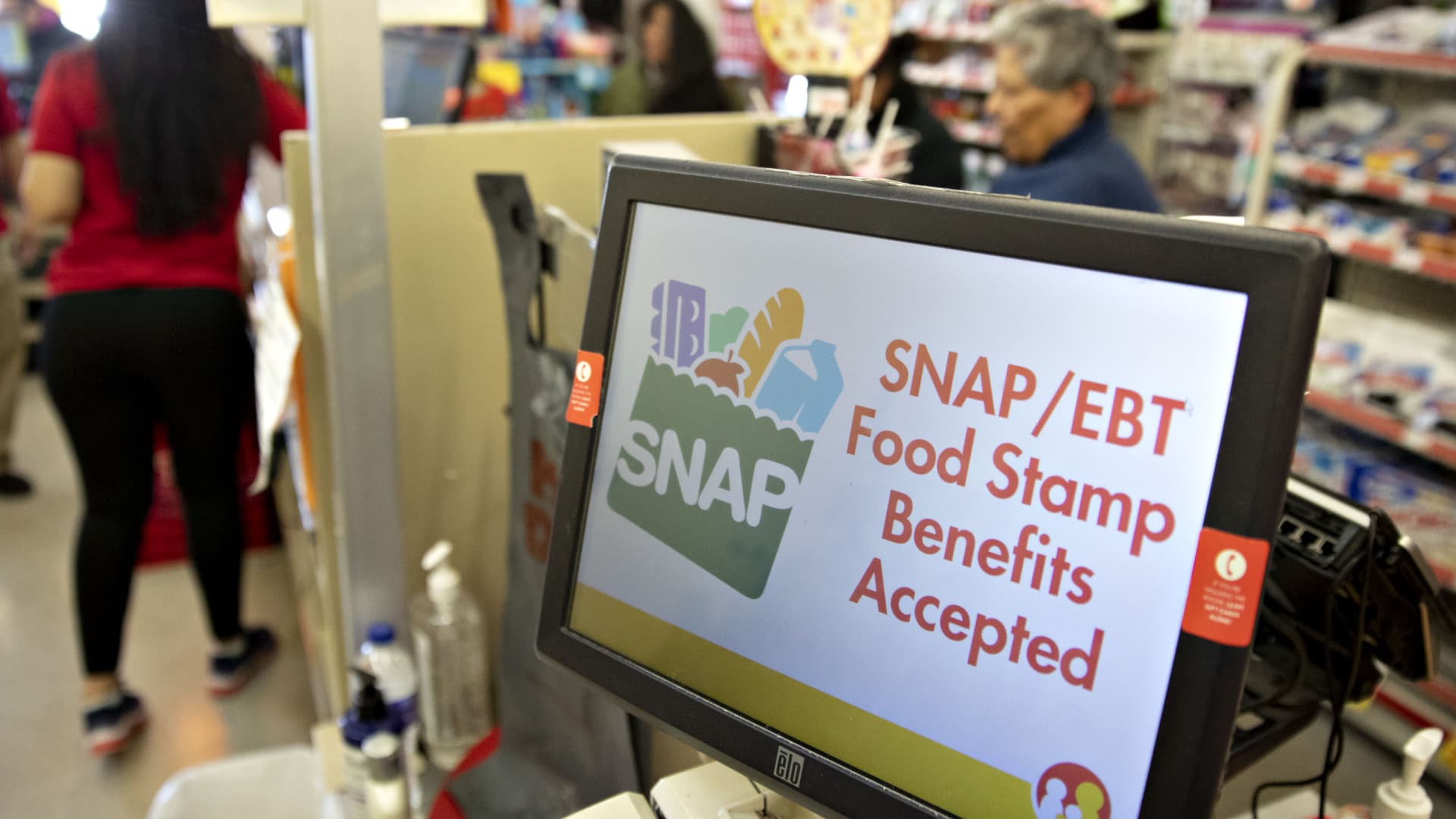
Over two dozen states are suing the Trump administration to maintain SNAP benefits, a critical issue for millions, jeopardizing essential aid for over 40 million Americans. Market analysts are closely monitoring the implications for consumer spending and economic stability.
This legal challenge highlights the urgent need for a government shutdown resolution and its potential market impact, particularly on vulnerable populations and economic disruption.
As of October 28, 2025, the USDA indicated benefits might cease. Market analysts are assessing the economic effects.
This analysis explores the legal and financial ramifications.
Expert Market Analysis
The federal government shutdown has intensified into a significant legal battle, with over two dozen states challenging the Trump administration’s stance on continuing Supplemental Nutrition Assistance Program (SNAP) benefits. This action stems from the administration’s refusal to utilize emergency funds, a move that endangers the nutritional security of more than 40 million Americans. The U.S. Department of Agriculture has signaled that SNAP benefits could cease by Saturday, October 28, 2025, prompting states to seek immediate judicial intervention to avert a historic suspension of aid. The potential societal and economic ramifications are substantial, with particular concern for consumer spending and broader economic indicators.
The lawsuit, filed in the U.S. District Court in Massachusetts, argues that the USDA’s decision is unlawful and arbitrary, violating the Administrative Procedure Act. States contend that suspending benefits under these circumstances is capricious and will disproportionately harm low-income families, seniors, and individuals with disabilities. The ongoing shutdown, which began October 1, 2025, has already introduced significant economic uncertainty. Market analysts are scrutinizing how this legal dispute, coupled with the prolonged shutdown, will affect consumer confidence and spending, especially in the retail and food sectors. The sheer number of SNAP recipients makes benefit disruption a critical economic concern with far-reaching consequences for corporate revenues.
Political gridlock in Washington D.C. further complicates the situation. A Republican-backed House bill for temporary government funding has repeatedly failed to pass the Senate, primarily due to disagreements over extending Affordable Care Act tax credits, which are vital for roughly 20 million Americans. This legislative impasse exacerbates the shutdown’s negative impacts, including the SNAP crisis. Historical trends from previous government shutdowns suggest prolonged uncertainty leads to market volatility and dampened investor sentiment. For investors, the shutdown and SNAP crisis present a complex environment of risks and potential opportunities, with companies reliant on government contracts or facing reduced consumer spending facing headwinds.
From an investor’s perspective, companies heavily dependent on government contracts or anticipating reduced consumer spending due to SNAP disruptions may face significant challenges. Conversely, businesses offering essential services or those with diversified revenue streams might provide relative stability. Retail investors should closely monitor developments, focusing on companies with strong balance sheets and diversified income. The SNAP lawsuit’s outcome is expected to provide immediate market signals, while the shutdown’s resolution will influence broader economic recovery prospects. Key events to watch include court rulings and legislative efforts to end the shutdown.
Related Topics:
SNAP benefits lawsuit, Trump administration, government shutdown 2025, food stamps, US District Court, Department of Agriculture, consumer spending, market impact
About the Author