Key Takeaways
Analysis of SNAP benefits delay impacting 42 million Americans in 2025 due to US government shutdown. Understand fiscal policy and market outlook implications.
Market Introduction
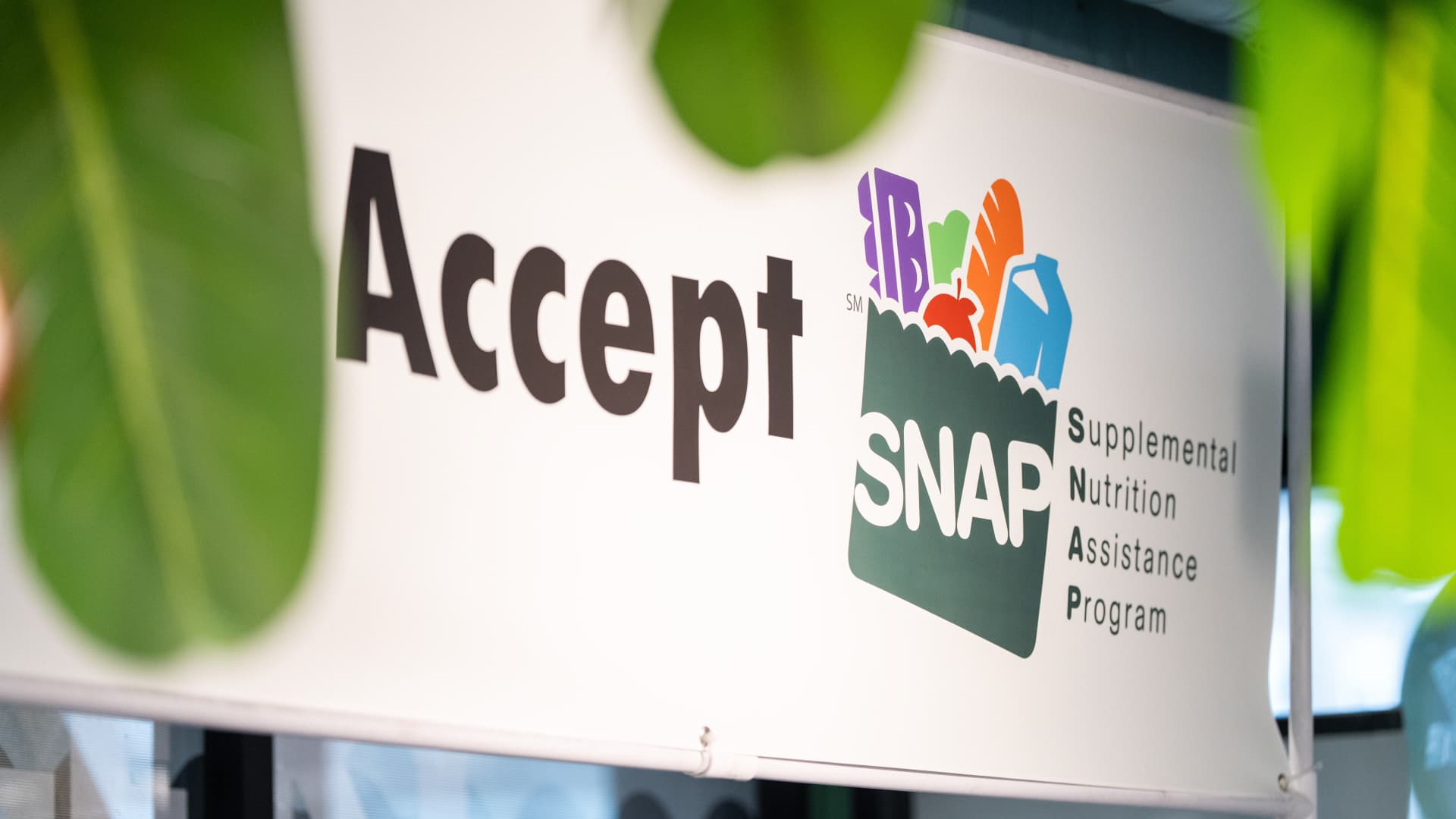
SNAP benefits delayed to Nov 14, 2025, impacting 42 million Americans amid ongoing government shutdown talks. This Supreme Court-driven decision offers a temporary reprieve. Investors are keenly watching fiscal policy developments.
This critical juncture highlights the fragility of government funding for vital social programs and its direct effect on beneficiary access to essential aid. The market outlook remains cautious.
As of market close on November 12, 2025, consumer spending and inflation remain under scrutiny. Key metrics are being closely monitored.
Our analysis delves into the immediate and long-term implications for recipients and the broader market.
In-Depth Analysis
The Supreme Court’s decision to postpone a judge’s order for full SNAP benefits payments until November 14, 2025, highlights the volatile nature of government funding during fiscal impasses. This two-day extension provides a narrow window for Congress to potentially pass a short-term funding bill, aiming to resolve the government shutdown that commenced on October 1. The Supplemental Nutritional Assistance Program (SNAP) is an indispensable lifeline for approximately 42 million Americans, and any disruption to its funding mechanisms carries substantial socio-economic repercussions. This situation is unfolding against a backdrop of broader economic uncertainty, with persistent inflation concerns and fluctuating consumer spending patterns being closely monitored by market participants globally. Historical patterns suggest that prolonged government shutdowns can indeed erode consumer confidence and impact essential goods purchasing habits, creating ripple effects across various sectors.
From a fundamental perspective, the immediate concern centers on the operational continuity of essential government services and the ramifications of potential funding gaps on critical programs like SNAP. While no specific company stock is directly implicated by this news, overall market sentiment can be significantly influenced by the perceived stability of government operations and the reliability of social safety nets. Investors are keenly observing fiscal policy developments, as protracted shutdowns or contentious budget negotiations can exacerbate market volatility and introduce unpredictchiability into investment strategies. The reference to the Supreme Court and Justice Ketanji Brown Jackson’s prior statements highlights the complex judicial dimensions of the ongoing fiscal impasse, illustrating the intricate interplay between governmental branches in managing national finances and appropriations.
In the broader context of social welfare programs, SNAP’s funding is intrinsically linked to the federal budget and the annual appropriations process. While direct competitor analyses are less relevant in this scenario, as it pertains to a direct government funding issue, the retail sector, particularly grocery chains and food distributors, are indirectly affected by the consistent distribution of SNAP benefits. Disruptions could lead to reduced purchasing power for a significant demographic, thereby impacting sales volumes for these entities. The efficiency and reliability of such programs are paramount for maintaining a stable consumer base, especially for necessities. Similar situations in past fiscal impasses have demonstrated indirect impacts on consumer staples companies, affecting their revenue streams.
The expert takeaway is that while this two-day extension offers temporary relief, the fundamental issue of government funding remains unresolved and requires a legislative solution. Investors should closely monitor congressional developments, as the risk of continued uncertainty poses a threat to consumer confidence and potentially impacts sectors reliant on steady consumer spending. The opportunity lies in understanding how such fiscal impasses can influence broader economic policies and market direction. Key events to watch include upcoming congressional votes on the funding bill, which will dictate the immediate future of SNAP benefits and the continuation of government operations. Entry considerations for vulnerable sectors should be based on the timely resolution of these fiscal matters and the overall economic outlook.
About the Author