Key Takeaways
Masters 2026 sees reigning champion Shaun Murphy defeated by Wu Yize in a major upset. Get full match analysis and implications for snooker today.
Overview
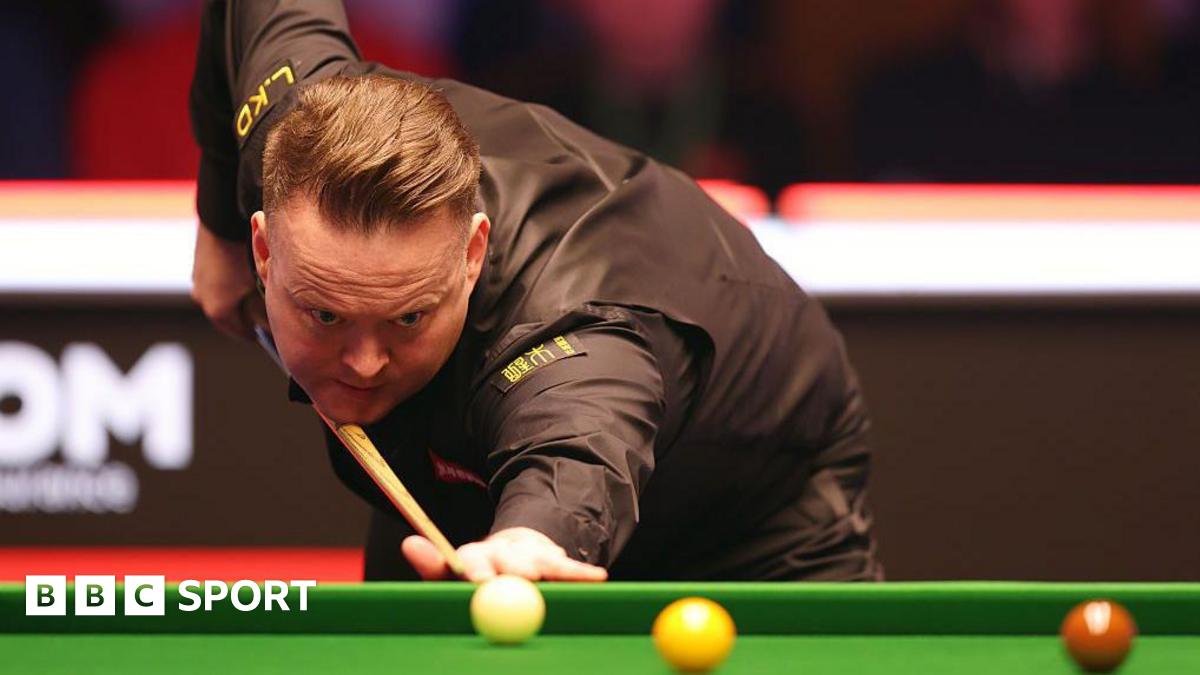
In a significant upset at the Masters 2026 snooker tournament, reigning champion Shaun Murphy was eliminated on day one, suffering a decisive 6-2 defeat against China’s rising star Wu Yize. This unexpected early exit sends ripples through the world of professional snooker, marking a dramatic start to one of the sport’s most prestigious events in current affairs.
For general readers and news consumers, this outcome underscores the unpredictable nature of elite sports and highlights the emergence of new talent on the global stage. It’s a compelling story of a seasoned veteran being challenged by a younger, hungry competitor, offering a glimpse into the evolving dynamics of the game.
Wu, a 22-year-old ranked 13th in the world, clinched his first ranking title just last November. He demonstrated remarkable skill with a superb 137 clearance and a 56 break during the match. Murphy, 43, notably failed to register a single break of 50 in his performance.
This early defeat for Shaun Murphy sets an intriguing tone for the remainder of the Masters 2026, with all eyes now on Wu Yize’s path forward and the performance of other top contenders as today updates unfold.
Detailed Analysis
The Masters 2026 snooker tournament, one of the sport’s coveted Triple Crown events, began with a seismic shock as reigning champion Shaun Murphy, a veteran acclaimed for his tactical prowess, crashed out in the first round. This immediate upset not only sends a clear message about the rising tide of new talent but also sets a dramatic precedent for the entire competition. Murphy, who last year clinched his second Masters title by defeating Kyren Wilson, entered Alexandra Palace with the weight of expectation. However, his performance against China’s Wu Yize indicated a stark contrast to his championship-winning form, revealing the immense pressure and the unforgiving nature of top-tier snooker.
Wu Yize, at just 22 years old, arrived at the Masters fresh off his maiden ranking title victory at the International Championship in Yanjing. His journey to that title involved overcoming formidable opponents such as world champions Judd Trump, Zhao Xintong, and John Higgins, showcasing his burgeoning expertise and authority within the sport. Making his debut at Alexandra Palace, a venue steeped in snooker history, Wu displayed remarkable composure. He swiftly took the opening three frames, establishing an early lead. Despite Murphy briefly reducing the deficit, Wu’s precise play, including a stunning 137 clearance in frame two and a solid 56 break in frame seven, proved overwhelming. The black-ball finish that secured the fifth frame for Wu further highlighted his steady nerves under pressure, a critical attribute for any aspiring champion.
Murphy’s reflections painted a picture of deep disappointment. The 43-year-old, who reached the semi-final of the UK Championship just a month prior, admitted this was potentially his worst Masters performance and arguably his season’s poorest showing. His inability to score a single break of 50 during the match underscored a rare dip in form, leading him to express genuine shock given his rigorous practice schedule. Wu, on the other hand, articulated the pressure of his debut but also the enjoyment he found once settled, recognizing the magnitude of his achievement in beating a player of Murphy’s caliber. This contrast in sentiments highlights the shifting landscape, where veteran experience is increasingly challenged by youthful exuberance and tactical innovation.
For general readers following current affairs, this upset signifies more than just a match result; it’s a compelling narrative of athletic transition. The immediate takeaway is the unpredictability of high-stakes sports, where past achievements do not guarantee future success. In the short term, this defeat will fuel discussions about Murphy’s form and potentially elevate Wu Yize’s profile as a formidable contender for the Masters 2026 title and beyond. Medium-term implications include increased scrutiny on the younger generation of snooker players, particularly those from emerging snooker nations like China, who are demonstrating they can compete and win against established legends. Long-term, this could represent a strategic shift in the sport’s hierarchy, inspiring a new wave of talent and reshaping the competitive landscape. Fans and news consumers should closely monitor Wu’s quarter-final match against either Mark Selby or Xiao Guodong on Thursday, as his continued success could mark the dawn of a new era in snooker, underscoring the dynamic nature of today updates in the sporting world.
About the Author