Key Takeaways
Sebi modernizes broker rules for India’s capital markets. Get analysis on investor impact and the 2025 trading outlook. Understand key changes and market readiness.
Market Introduction
Sebi is modernizing 30-year-old stock broker regulations, a crucial step for India’s capital markets. This significant regulatory overhaul aims to enhance transparency and efficiency, streamlining operations for a more robust trading environment. The move is vital for investors and traders seeking improved market integrity and better protection.
Updated regulations can lead to reduced compliance burdens and a stronger foundation for market participants. Sebi’s proactive approach addresses the evolving landscape of financial services and technological advancements, ensuring market resilience.
Key proposals include clarifying definitions for algorithmic and proprietary trading, with public consultations expected soon. These steps prioritize clarity and modernization, impacting over 1 crore retail investors.
This analysis delves into the proposed changes and their potential market impact for 2025.
In-Depth Analysis
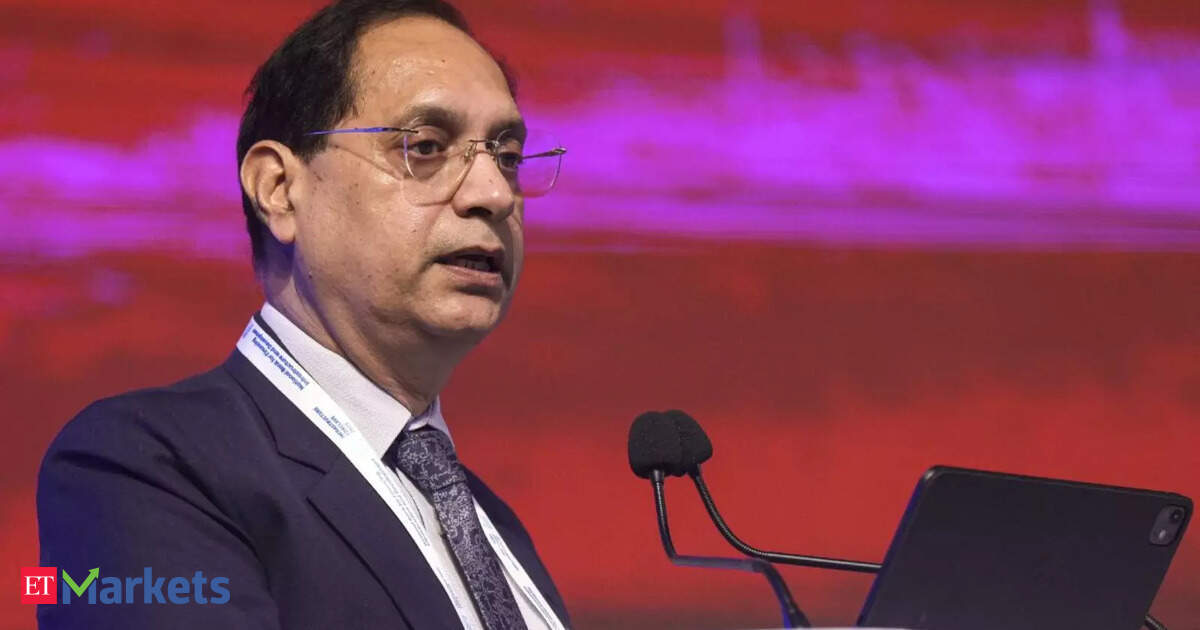
Sebi’s comprehensive review of its stockbroker regulations, some dating back three decades, marks a significant stride towards modernizing India’s capital markets. Chairman Tuhin Kanta Pandey has indicated that the review is in advanced stages, alongside preparatory work for other critical regulations like Settlement and LODR. This initiative is driven by the imperative to align the regulatory framework with the dynamic growth of India’s financial sector. Historically, such regulatory overhauls, like those in 2018 and 2021, have led to initial market adjustments followed by enhanced stability. The market regulator’s objective is to foster a more compliant, easily supervised, and investor-friendly ecosystem, thereby boosting market confidence and operational efficiency across the board. The proposed changes directly address the need for a more robust and adaptable regulatory environment, crucial for the sustained growth of India’s capital markets.
The core of Sebi’s modernization effort centers on rationalizing existing rules and updating operational definitions, particularly for algorithmic and proprietary trading. This is vital given the increasing reliance on technology in trading activities, aiming to provide much-needed clarity and potentially create a more equitable playing field. The proposed framework for IPO-bound companies with pledged shares, designed to streamline fundraising and prevent listing delays, reflects a deep understanding of market mechanics and a commitment to supporting capital raising. Such measures are expected to positively influence overall economic activity. Analysts will closely monitor key financial metrics and technical indicators as the market adapts to these impending changes, focusing on how these updates affect trading volumes and operational costs.
Globally, Sebi’s move aligns with the trend of financial regulators updating frameworks to keep pace with technological advancements and evolving market structures. Developed markets frequently revise guidelines on high-frequency trading and data security. While specific regulations in financial hubs like Singapore or Hong Kong may differ in their granular details, the universal principle of adaptability and robust investor protection remains paramount. Sebi’s focus on modernization, especially in algorithmic trading, could enhance the competitiveness and efficiency of Indian brokers. The ultimate impact on market share and operational costs for Indian brokers will hinge on the final shape of these regulations and their effective implementation across the diverse Indian market, influencing their ability to compete internationally.
The prevailing expert sentiment is optimistic, viewing this as a positive signal for a robust and modern capital market infrastructure. While specific price targets are premature, Sebi’s proactive approach is highly commendable. Investors and traders should prepare for an adaptation phase, but the long-term outlook points towards improved market functioning and heightened investor confidence. Potential risks include implementation hurdles or unforeseen consequences that might cause short-term volatility. Nevertheless, the overarching opportunity lies in fostering a more transparent, efficient, and secure trading environment. Staying informed through public consultations and Sebi’s official communications will be crucial for understanding the precise implications and identifying strategic market opportunities in 2025.
About the Author