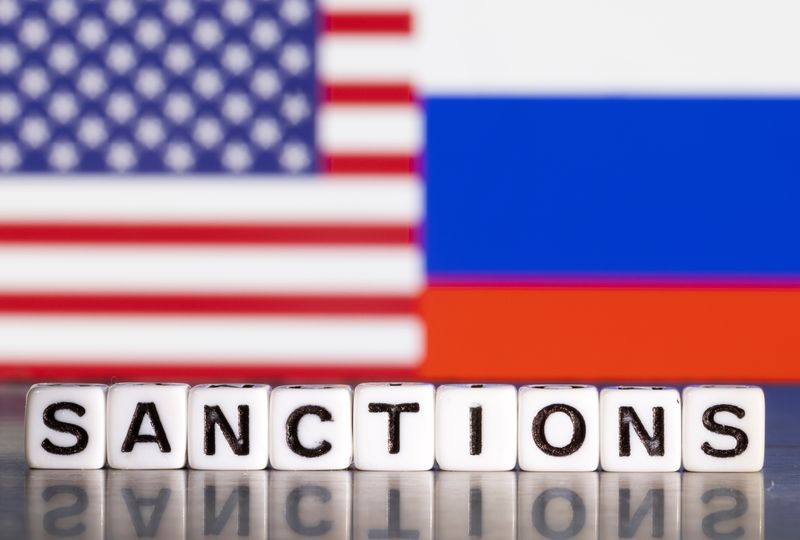
EU pressure on Russia could significantly impact global energy markets by 2025. The US is seeking unified action to achieve peace in Ukraine through increased economic isolation. This geopolitical development is poised to introduce substantial volatility in commodity prices and disrupt international trade flows, necessitating a close watch by investors.
The market sentiment is highly sensitive to responses from both the EU and Russia. Stability in energy supply and currency fluctuations will be key indicators for traders and investors alike.
As of market close today (Oct 26, 2025), key energy stocks are showing mixed signals. Analyst targets suggest potential price swings based on diplomatic outcomes.
This analysis delves into the economic ramifications and investor outlook for the coming year.
Expert Market Analysis
The escalating geopolitical tensions and the US’s pursuit of increased EU pressure on Russia represent a critical juncture for global markets in 2025. Historically, such economic measures are designed to coerce behavioral changes through financial leverage, targeting a nation’s economic backbone, including its energy exports and access to international finance. Past sanctions against Russia have frequently triggered retaliatory actions and subsequent global market adjustments, underscoring the intricate link between international diplomacy and economic stability. The current strategy signifies a determined effort towards further isolating Russia until a de-escalation in the Ukraine conflict is achieved, a move anticipated to have profound implications for commodity prices, particularly in the energy sector, and investor sentiment worldwide.
From a fundamental perspective, the actual efficacy of these sanctions will hinge on their scope and the specific economic sectors targeted. Increased volatility in oil prices remains a primary concern, given Russia’s significant role as a global energy producer. Investors must carefully assess the potential impact on inflation rates and global economic growth projections. Companies with substantial exposure to Russian markets or those heavily reliant on Russian resources necessitate thorough due diligence. Technically, heightened trading volumes and pronounced price swings are anticipated in energy and related commodity sectors. Analysis of the RSI for key energy stocks might reveal significant shifts, and critical support and resistance levels will become paramount for developing effective trading strategies. Management guidance from energy firms will be intensely scrutinized for insights into supply chain resilience and their pricing power.
Drawing parallels with previous geopolitical events, such as the 2014 annexation of Crimea, offers valuable context for potential market reactions. The European Union’s unified stance will be a decisive factor in determining the impact of these sanctions. Nations with substantial trade relationships with Russia, including China and India, will be observing closely, potentially leading to shifts in market share and reconfigurations of global trade routes affecting sectors from shipping to raw materials. The dynamics within the oil and gas sector are particularly sensitive, with possibilities for the formation of new supply chains and increased demand for alternative energy sources. Companies in the renewable energy sector may experience a surge in investor interest and capital inflows.
Expert commentary consistently highlights that while sanctions can be potent tools, their ultimate success is intrinsically tied to broad international cooperation. Retail investors might perceive elevated risk, prompting portfolio adjustments towards more secure assets like gold or sovereign bonds. Institutional investors will likely prioritize supply chain diversification and the assessment of market dislocations. Key risks include the potential escalation of the conflict and unintended economic repercussions for allied nations. Conversely, opportunities may emerge for companies offering viable alternatives to Russian-supplied goods or services. Investors are advised to remain vigilant, closely monitoring diplomatic channels and official statements from the US, EU, and Russia for further guidance on market direction and potential price targets.
Related Topics:
Russia Sanctions, EU Pressure, Global Energy Markets, Geopolitical Risk Analysis, Commodity Price Volatility, International Trade Flows, Investor Outlook 2025, Energy Market Analysis
About the Author