Key Takeaways
Russia orders a British diplomat to leave Moscow over spying allegations. Understand the implications for UK-Russia relations and global diplomacy today.
Overview
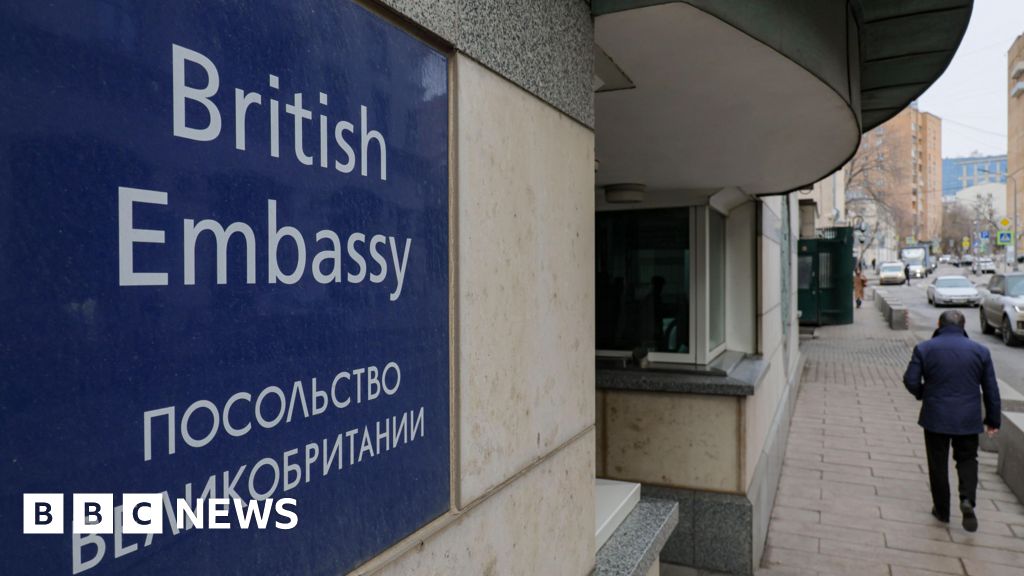
In a significant development in current affairs, Russia has formally ordered a British diplomat to leave the country, escalating tensions between Moscow and London. This move comes after Russian officials accused the diplomat of operating as an intelligence agent while ostensibly working at the British embassy in Moscow.
The expulsion underscores ongoing diplomatic friction and the delicate nature of international relations, particularly between these two nations. General readers and news consumers alike will be keen to understand the deeper implications of such a direct accusation and subsequent action in the realm of global diplomacy.
According to Russia’s foreign ministry, the diplomat has been stripped of their accreditation and must depart within two weeks. The ministry also confirmed it had summoned British charge d’affaires Danae Dholakia to address the matter directly, signaling the gravity of the allegations.
This incident, poised to resonate across international diplomatic circles and be featured prominently in India News and Today Updates, necessitates a balanced analysis of its immediate repercussions and potential long-term effects on UK-Russia ties.
Detailed Analysis
Diplomatic expulsions, though infrequent, serve as potent signals in the complex landscape of international relations. The current directive from Russia for a British diplomat to depart Moscow over allegations of intelligence gathering represents not just an isolated incident but often reflects deeper, underlying tensions that characterize the relationship between nations. Historically, diplomatic staff enjoy immunity under the Vienna Convention on Diplomatic Relations, a cornerstone of international law that facilitates communication even between hostile states. However, this immunity is not absolute; a host country can declare a diplomat ‘persona non grata’ – an unwelcome person – without providing a specific reason, thereby requiring their recall or expulsion. In cases like this, where explicit accusations of spying are made, it typically signifies a profound breakdown of trust and a deliberate escalation of diplomatic pressure. These actions often follow periods of strained relations, serving as a public manifestation of private grievances or intelligence clashes.
The history of UK-Russia relations, in particular, is punctuated by such tit-for-tat expulsions, reflecting a cyclical pattern of suspicion and confrontation that has deep historical roots. From the Cold War era to more recent decades, allegations of espionage and counter-espionage operations have frequently led to diplomatic personnel being declared persona non grata. This broader pattern suggests that while each incident has its immediate triggers, they often unfold against a backdrop of ongoing strategic competition and ideological divergence. For General Readers following India News and Current Affairs, understanding this historical context is crucial for interpreting the significance of today’s developments. These expulsions are rarely spontaneous; they are typically calculated moves designed to send a clear message, assert national sovereignty, or retaliate for perceived transgressions. The act of summoning the British charge d’affaires, Danae Dholakia, to the Russian foreign ministry highlights the official and deliberate nature of Moscow’s action, ensuring the message is delivered through formal diplomatic channels and registered at the highest levels.
Delving into the specifics provided by the source, the accusation of the diplomat being an ‘intelligence agent working undercover at the embassy in Moscow’ is a classic charge in the world of espionage. Such an accusation, while not always publicly substantiated with irrefutable evidence, immediately challenges the diplomatic sanctity of an embassy and its staff. The stripping of accreditation is the formal mechanism by which a diplomat loses their official status and the privileges associated with it, making their continued presence in the host country untenable. The two-week deadline for departure is a standard period, allowing for an orderly exit without undue delay, yet it firmly dictates the immediacy of the requirement. While the source content does not provide specific data or metrics on intelligence operations, the very nature of such allegations speaks volumes about the perceived threat by the host nation. The British Foreign Office has been asked for a response, indicating the process of official diplomatic engagement following such a severe action is underway. This detailed breakdown reveals the precise procedural steps taken in such international incidents, offering clarity to news consumers on the formal processes involved.
Comparing this incident to similar events in the past demonstrates that diplomatic expulsions are a well-established, albeit severe, tool in statecraft. When nations engage in such actions, it reflects a decision to prioritize national security concerns or assert political will over the smooth functioning of diplomatic ties. For instance, in other instances of alleged spying, countries might choose quieter, less public methods of dealing with a suspected intelligence operative, such as discreetly requesting their recall. The decision to publicly expel, however, elevates the incident, drawing international attention and making it a matter of public record. This public dimension serves to signal resolve to a domestic audience and to other international actors. While specific data on past UK-Russia expulsions is not available in the provided source, the general pattern is one of reciprocity; an expulsion by one side is often met with a corresponding expulsion from the other. This tit-for-tat dynamic can lead to a reduction in diplomatic staff on both sides, making communication more challenging and potentially escalating tensions further, impacting the very channels designed to prevent conflict.
For General Readers and News Consumers, the implications of this incident are significant, touching upon the broader stability of international relations. In the short term, this expulsion will undoubtedly lead to a further souring of UK-Russia relations. The immediate diplomatic fallout will likely involve official protests, reciprocal actions from the UK, and heightened rhetoric from both sides. The communication channels, already strained, will face additional pressure, potentially impacting cooperation on broader global issues. The risk of further retaliatory measures remains, creating a cycle of escalating diplomatic actions that could undermine efforts to de-escalate other geopolitical flashpoints. This situation serves as a stark reminder of the underlying distrust that persists between these two major powers, making any future collaborative efforts more challenging. India, as a major global player keenly observing Current Affairs, will monitor these developments as they contribute to the evolving international order.
In the medium term, this incident could lead to a reassessment of diplomatic protocols and intelligence-sharing agreements between allied nations, particularly within the Western bloc. It might also prompt both the UK and Russia to review the scope and nature of their diplomatic presence in each other’s capitals. Beyond the immediate diplomatic sphere, such events can subtly influence economic ties, cultural exchanges, and even travel advisories, as the perception of risk and instability increases. Businesses and citizens engaged in activities between these countries may face increased scrutiny or bureaucratic hurdles. The cumulative effect of such incidents can erode public confidence in the stability of international relations, making long-term planning more difficult for all stakeholders. The broader international community will also watch closely to see if this incident portends a more aggressive stance from Russia in its dealings with Western nations or if it remains an isolated, albeit serious, bilateral issue. The implications for global stability are tangible, underscoring the interconnectedness of diplomatic actions.
Looking at the long-term implications, this expulsion reinforces a narrative of persistent geopolitical rivalry, particularly in the realm of intelligence. While individual diplomats come and go, the underlying strategic competition between the UK and Russia is a constant. Such incidents contribute to the overall atmosphere of distrust, making any meaningful rapprochement or significant improvement in relations a distant prospect. For global diplomacy, this incident serves as a benchmark, influencing how other nations might respond to similar allegations against their own diplomats. It underscores the challenges of maintaining effective diplomatic engagement in an era of heightened international scrutiny and geopolitical fragmentation. Ultimately, the lasting impact will depend on the degree of reciprocity from the UK and the willingness of both nations to prevent a further spiraling of tensions. What General Readers should monitor next are official statements from the UK Foreign Office, any subsequent expulsions from London, and the broader tone of diplomatic discourse emanating from both Moscow and London, which will offer crucial insights into the trajectory of this complex relationship and its implications for Today Updates in global news.
About the Author