Key Takeaways
Robert Jenrick sacked by Kemi Badenoch over defection plans to Reform UK. Understand the political fallout and implications for UK Conservative Party’s future.
Overview
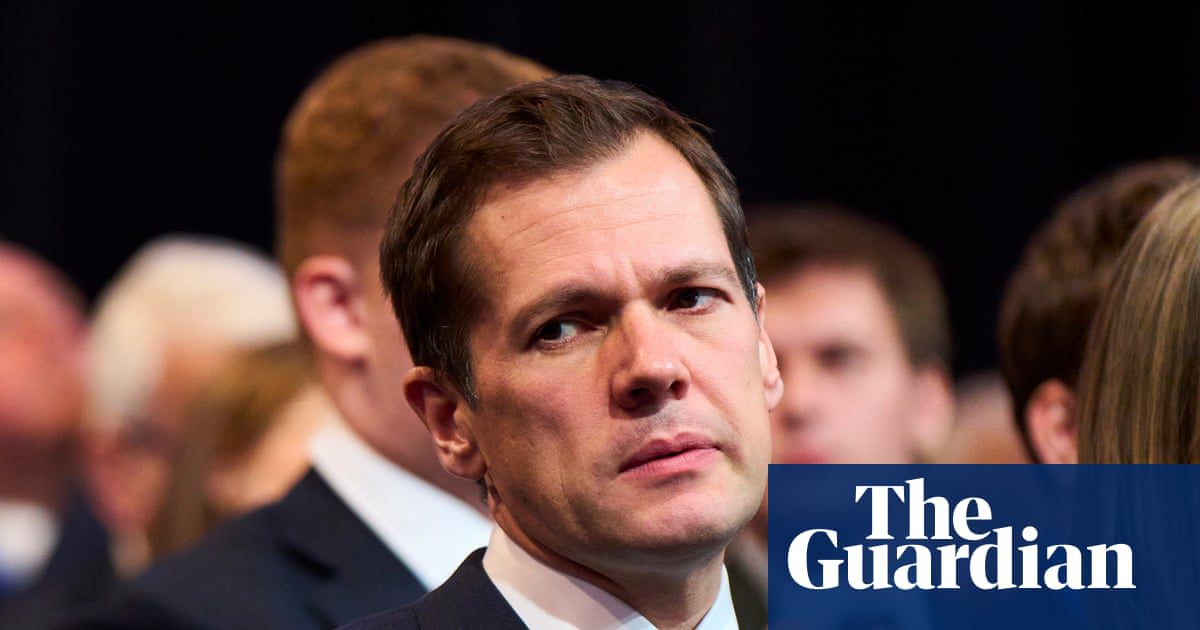
In a significant political development, Kemi Badenoch has sacked **Robert Jenrick** from the shadow cabinet and suspended his Conservative party membership with immediate effect. Badenoch cited “clear, irrefutable evidence” that Jenrick, the shadow justice secretary, was secretly plotting to defect from the party in a manner designed to inflict maximum damage on his colleagues and the wider Conservative party.
This move highlights growing internal tensions within the Conservative party and underscores the volatile nature of UK Current Affairs. For general readers, such high-profile political upheavals often signal shifts in party dynamics and leadership challenges, reflecting broader trends in national politics and governance.
While Badenoch did not name the party, sources confirmed Jenrick’s alleged destination was Nigel Farage’s Reform UK, with Farage confirming “conversations” but denying a signed agreement. Jenrick was a leadership rival to Badenoch and a former immigration minister.
The incident sets the stage for potential further political fallout, making it a pivotal story in today’s breaking news cycle, with Farage scheduled to hold a press conference in Westminster later on Thursday afternoon.
Detailed Analysis
The political landscape of the United Kingdom has been rocked by the swift and decisive action taken by Kemi Badenoch against Robert Jenrick. This dramatic sacking resonates deeply within Westminster and beyond, signaling not just an individual’s departure but potentially wider fissures within the Conservative party. In a period of heightened political sensitivity, where public trust in institutions is frequently debated in Current Affairs, such an event inevitably invites scrutiny into the motivations of leaders and the integrity of political processes. The backdrop to this incident is a Conservative party grappling with internal divisions, a challenging electoral outlook, and the persistent rise of Reform UK as a formidable challenger, particularly to its right flank. Historically, defections carry significant weight, often reflecting deep-seated ideological rifts or profound personal ambitions, becoming crucial talking points in any nation’s political discourse and setting precedents for future actions within party structures.
Kemi Badenoch’s statement left no room for ambiguity: she was presented with “clear, irrefutable evidence” of Jenrick’s clandestine plotting. Her language was firm, condemning his actions as putting “personal ambition above loyalty” and labeling the situation as another instance of “political psychodrama” that the British public, and she herself, are “tired of.” This firm stance aims to project strength and deter further internal dissent, a common strategy when dealing with internal challenges that could become Breaking News. Robert Jenrick, a prominent figure, served as a former immigration minister and, more recently, as the shadow justice secretary. He has cultivated a substantial social media following, which makes his potential defection to Reform UK particularly noteworthy as the most high-profile move for a sitting MP since Danny Kruger’s earlier shift. The intrigue deepened with Nigel Farage’s cautious confirmation of “conversations” with Jenrick, though he clarified that a formal document was not on the verge of being signed, adding a layer of suspense to the unfolding narrative in today’s news updates. Westminster sources revealed that Jenrick’s activities had been under surveillance for some time due to suspicions of undermining the party, and his defection was believed to be imminent, partly corroborated by the indiscreet actions of his unofficial aides, reportedly involved in a plot to depose Rishi Sunak. The fact that Farage and Jenrick reportedly had dinner last month further underscores the depth of these alleged discussions.
Jenrick’s potential defection, and the subsequent swift disciplinary action, bears comparison to previous instances of political shifts, though its impact is magnified by his senior position. While Danny Kruger’s earlier move to Reform UK was notable, Jenrick’s role in the shadow cabinet makes his situation a more significant blow to Conservative unity and a more substantial win for Reform UK’s burgeoning influence. For Reform UK, securing a figure of Jenrick’s stature would represent a significant coup, lending increased credibility and broadening their appeal, especially among conservative voters disillusioned with the current government. This move could empower Reform UK to present itself as a more viable alternative, intensifying the pressure on the Conservative party from the right. Conversely, the Conservative party faces the delicate task of managing this internal fracture without appearing weak or disunited, particularly as a general election looms. Badenoch’s robust response is a clear message to would-be defectors, yet it simultaneously highlights the very divisions she seeks to suppress. This scenario exemplifies the shifting allegiances and fragmenting party loyalties characteristic of modern democracies, a trend that continuously shapes political discourse and is a constant subject in India News and global Current Affairs.
For general readers and news consumers, the sacking of Robert Jenrick is more than just a Westminster spat; it is a powerful indicator of the profound instability gripping one of the United Kingdom’s major political parties. This incident suggests a turbulent period ahead for British politics, emphasizing the critical interplay between individual ambition and party loyalty within democratic systems. It brings into sharp focus the pressures faced by political leaders to maintain unity and trust, and the consequences when those bonds are perceived to break. The political landscape, as reflected in this Breaking News, is dynamic and fluid, with decisions made today potentially reshaping future electoral outcomes and government compositions. Audiences should closely monitor Nigel Farage’s upcoming press conference, which is likely to provide more insights into Reform UK’s strategy and any potential future announcements from Jenrick himself. Furthermore, the Conservative party’s internal response and its efforts to consolidate its base will be crucial indicators of its resilience. This event underscores that political shifts, even in distant geographies, contribute to the global tapestry of Current Affairs, offering insights into the broader challenges of governance and party management in the 21st century.
About the Author