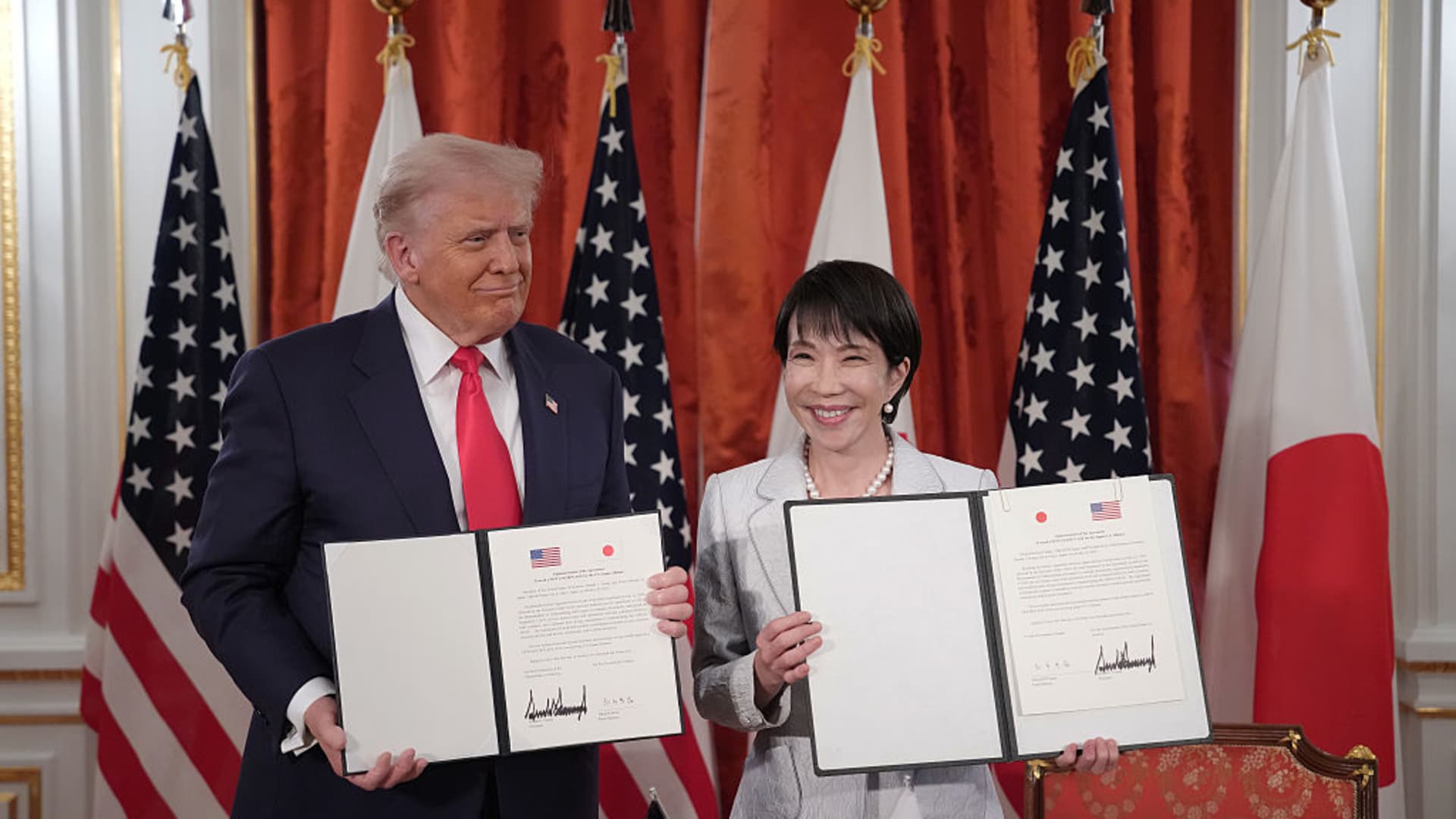
Rare earth deals in 2025 are initiating a strategic challenge to China’s entrenched dominance, though substantial global supply chain shifts will span several years. Agreements with nations like Japan, Australia, and Malaysia are pivotal for fortifying supplies of critical minerals essential for advanced technologies and defense systems.
This diversification is vital for reducing investor exposure to China’s export control leverage, but immediate impacts are moderated by existing dependencies, making market analyst insights crucial for investors.
As of market close October 25, 2025, key players like MP Materials (MP) have seen positive investor sentiment, with notable stock performance.
We delve into the complexities and financial implications for 2025.
Expert Market Analysis
The global rare earth market, a domain historically dictated by China’s overwhelming influence, is entering a phase of strategic rebalancing in 2025. New plurilateral agreements, particularly those spearheaded by the U.S. with key allies such as Japan, Australia, and Malaysia, represent a concerted international effort to construct more resilient and diversified supply chains for critical minerals. China’s substantial market share, estimated by Goldman Sachs to encompass approximately 69% of mining, 92% of refining, and an astounding 98% of magnet production, has long posed significant geopolitical and economic vulnerabilities for technologically advanced nations. These emerging partnerships are designed to bolster resilience across industries from electric vehicles and defense systems to the rapidly expanding semiconductor manufacturing sector, a trend that has gained considerable momentum since initial trade tensions surfaced. Historical precedents in the development of commodity supply chains consistently show that such profound shifts, while strategically indispensable, are inherently long-term endeavors, necessitating substantial capital investment and considerable time for new infrastructure to become operational.
From a financial investment standpoint, the lifecycle of developing new rare earth mines is notoriously protracted, often requiring up to a decade to reach full production, while the establishment of essential refining capabilities is estimated to take around five years. This extended timeline dictates that in the short to medium term, global reliance on China’s established and integrated rare earth infrastructure will regrettably persist, inevitably influencing short-term price volatility and supply availability. Companies like MP Materials (MP) and Energy Fuels (UUUU), recognized as significant players in this evolving landscape, have already experienced positive stock price movements, reflecting investor optimism in the long-term diversification thesis. However, the substantial upfront capital expenditure required for developing environmentally compliant mining and refining operations, which are significantly more costly than China’s historically less regulated approach, presents a formidable financial hurdle. Savvy investors and market analysts are meticulously monitoring project funding rounds and operational ramp-up timelines, considering these crucial metrics for evaluating future profitability and market impact.
In direct comparison to China’s deeply entrenched and mature market position, these nascent international initiatives aim to cultivate a more equitable and competitive playing field for global players. Companies such as Patriot Critical Minerals Corp. are actively emphasizing the critical importance of assured access to raw materials for ensuring price stability and fostering vital domestic innovation, including advancements in rare earth recycling technologies. China’s past strategic utilization of price fluctuations as a potent competitive tool is now being strategically countered by backed public funding initiatives for crucial projects in allied nations, thereby providing a vital stability factor for ventures seeking reasonable returns on investment. The geopolitical ramifications of this strategic realignment are profoundly significant, as China’s prior attempts to wield export controls have inadvertently galvanized a broader international coalition, potentially miscalculating the long-term impact on its market dominance and global trade relations. The evolving regulatory landscape and oversight from bodies like SEBI concerning domestic investment in critical minerals will also play a crucial role in shaping the competitive environment.
Market analysts and former intelligence officials widely concur that while these new international deals represent a critical strategic step towards de-risking global supply chains, an immediate disruption of China’s long-standing rare earth dominance is highly improbable in the immediate future. Dennis Wilder of Georgetown University astutely highlights the ongoing high short-term reliance, emphasizing that the strategic advantage for the U.S. and its allies lies in meticulously building alternative supply routes and robust domestic processing capabilities. Investors should brace for a gradual, phased transition characterized by potential short-term price fluctuations and observably higher production costs. The ongoing geopolitical dialogue and intricate trade negotiations between the U.S. and China will undoubtedly continue to be a significant determinant of market sentiment and the pace of these critical supply chain realignments, with particular attention on any new directives from regulatory bodies like the RBI concerning foreign investment in these strategic sectors.
Related Topics:
Rare Earths 2025, China Rare Earth Dominance, US Rare Earth Deals, Critical Minerals Supply Chain, MP Materials Stock Analysis, Energy Fuels Outlook, Geopolitics Rare Earths, Global Supply Chain Diversification, Critical Minerals Investing, China Export Controls
About the Author