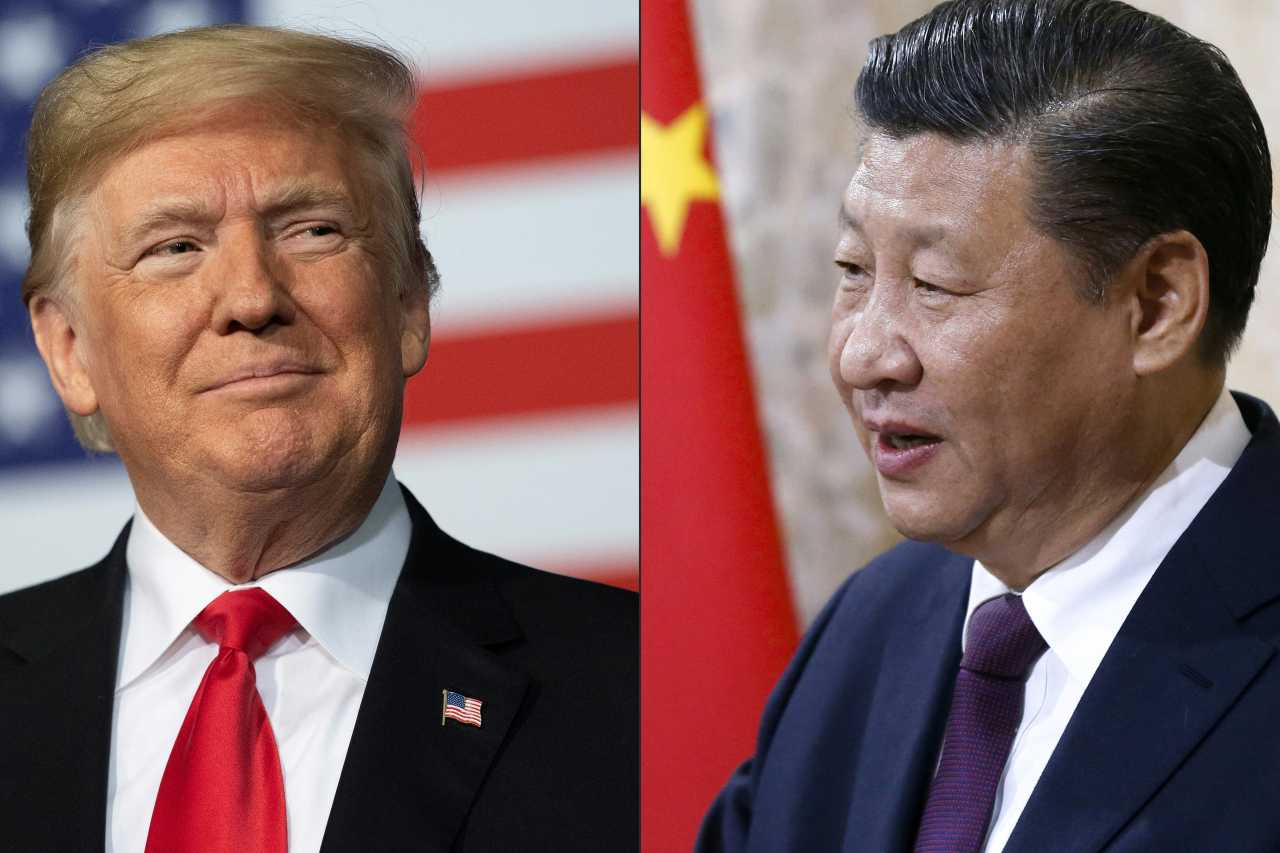
Rare earth stocks have declined by 3.5% as of market close Oct 25, 2025, driven by evolving U.S.-China trade tensions. ETFs reflecting this downturn are under scrutiny, impacting critical mineral extraction companies worldwide.
This shift prompts investors to reassess their exposure in this sensitive market, seeking stability amidst geopolitical shifts and potential supply chain normalization.
Key metrics show a -3.5% change in Rare Earth ETF performance. Analyst sentiment has shifted towards caution, with revised price targets emerging for major players.
This analysis explores the broader implications and future trajectory of these crucial stocks.
| Metric | Previous | Current | Change |
|---|---|---|---|
| Rare Earth ETF Performance | N/A | -3.5% | -3.5% |
Expert Market Analysis
The recent easing of trade friction between the U.S. and China has initiated a notable downturn in rare earth stocks, a sector historically sensitive to geopolitical tensions. Past events, such as the 2019 trade war escalation, saw critical elements like Neodymium and Dysprosium prices surge over 30%. This current de-escalation, driven by more constructive dialogue, is prompting a recalibration of investor expectations, shifting the narrative from scarcity and potential shortages to one of normalized supply and increased price competition. Market analysts are observing a broader trend of reduced global trade disputes, suggesting a potential period of enhanced economic cooperation worldwide. This environment necessitates a nuanced approach to investing in a sector crucial for technologies like electric vehicles and renewable energy, where supply chain stability is paramount for long-term growth, making the current 3.5% dip in rare earth stocks a significant event for 2025.
From a fundamental perspective, the impact on rare earth companies is multifaceted. Those that previously benefited from heightened trade tensions through price premiums and demand for alternative sources may now face a more competitive market. Key metrics like revenue growth tied to elevated commodity prices are likely to moderate, and valuation multiples, which may have expanded during periods of uncertainty, could see compression. Companies reliant on strategic government stockpiling might experience reduced order volumes. Technically, recent price action often displays bearish divergence, with many rare earth stocks breaking below crucial support levels. While the Relative Strength Index (RSI) for leading miners may indicate oversold conditions, further downside is possible if market sentiment favoring de-escalation persists, suggesting careful monitoring of trading volumes and trendlines for entities like Lynas Rare Earths.
Peer comparison within the rare earth sector reveals varying degrees of exposure to the U.S.-China trade dynamic. Companies with significant operations in less directly impacted regions, or those with diversified product portfolios beyond just rare earth elements, tend to exhibit greater resilience. For instance, while Lynas Rare Earths (LYC) stock price has reacted, its strategic partnerships and global footprint offer some buffer. In contrast, companies heavily dependent on direct U.S. or Chinese markets may face more pronounced adjustments. Despite the immediate impact of trade disputes lessening, the long-term strategic importance of securing rare earth supply chains remains a key industry trend, though potentially with less price urgency, indicating a shift in competitive advantages within the sector.
The expert takeaway for investors is one of cautious observation. While the immediate fallout suggests a period of price correction for rare earth stocks, the underlying demand for these critical minerals, essential for electric vehicles, renewable energy, and advanced electronics, remains robust. Retail investors might view this as an opportunity to accumulate positions at more attractive valuations with a long-term horizon. Institutional investors will likely remain watchful for concrete policy shifts and sustained trade stability. Key risks include a resurgence of trade hostilities or unexpected policy changes. Opportunities lie in identifying companies with strong technological innovation, efficient extraction processes, and diversified end-market exposure, while monitoring upcoming earnings and future trade outcomes for strategic investment decisions.
Related Topics:
Rare Earth ETF, US China Trade 2025, Rare Earth Stocks, Geopolitical Impact, Commodity Prices 2025, Mining Stocks Analysis, Global Trade Relations, Investment Outlook 2025, Lynas Rare Earths (LYC)
About the Author