Key Takeaways
Senator Rand Paul criticizes GOP colleagues over Venezuela boat strikes, citing ethical and legal concerns. Analysis of US foreign policy and congressional oversight.
Overview
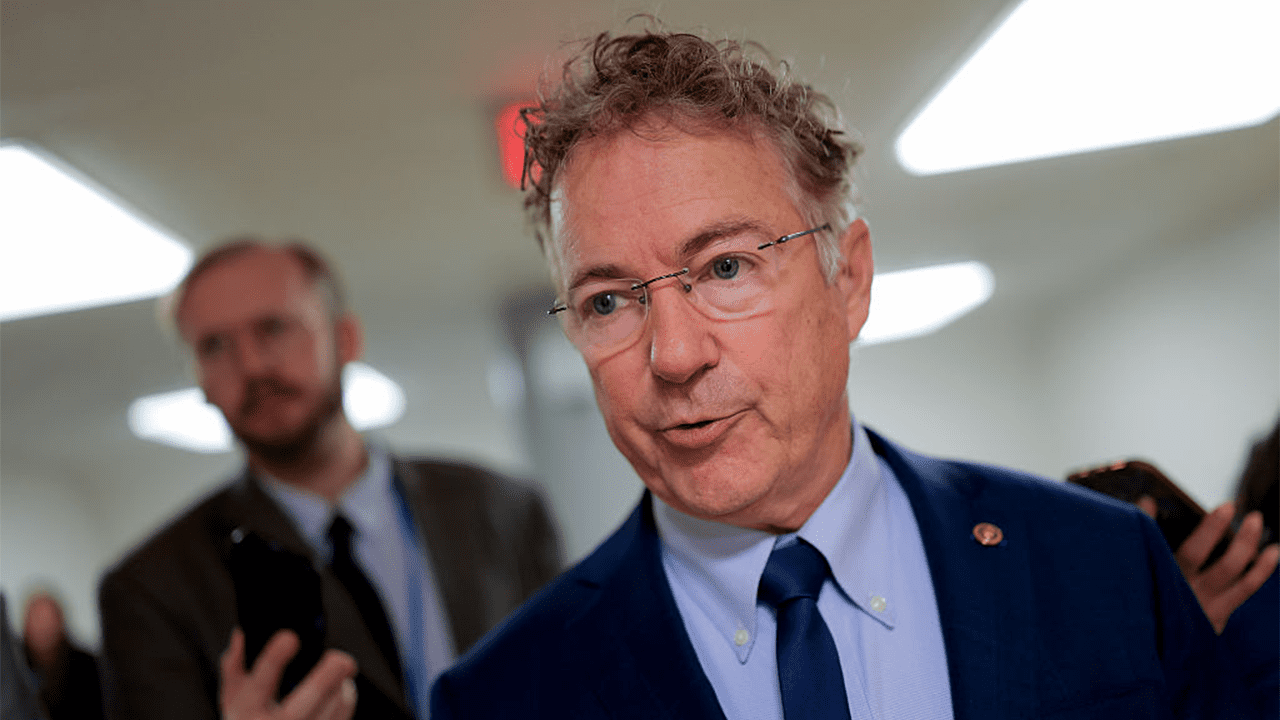
Senator Rand Paul, R-Ky., has leveled sharp accusations against his Republican colleagues, asserting their indifference towards lives lost in recent boat strikes near Venezuela. These strikes, carried out by the Trump administration, were reportedly against vessels claimed to be trafficking fentanyl, a claim Paul vehemently disputes.
This internal Republican discord highlights significant fault lines within US foreign policy, raising critical questions about due process, international legal standards, and the veracity of intelligence driving military actions. Paul’s stance prompts a deeper examination into congressional oversight of executive foreign policy decisions.
The debate centers on the administration’s claims of targeting boats carrying fentanyl to the US, contrasted with Paul’s assertion that the vessels carried cocaine destined for Europe or Caribbean islands, and were too small to reach the US mainland. He also criticizes the reported targeting of shipwrecked survivors.
The following analysis delves into the policy implications of these military actions, the legislative efforts to limit presidential power, and the broader context of US interventionism in Latin America, providing crucial insights for News Readers, Policy Watchers, Informed Citizens, and Political Analysts.
Key Data
| Aspect | Administration’s Claim (as stated by GOP colleagues) | Senator Paul’s Assertion |
|---|---|---|
| Drug Type | Fentanyl | Cocaine (not fentanyl at all) |
| Destination | Towards America (committing war by bringing drugs) | Europe/Caribbean islands (not coming here, boats cannot reach US) |
| Status of Individuals | Drug dealers/traffickers, enemies at war | Probably poor people, deserving of presumption of innocence, shipwrecked individuals |
| Legality of Actions | Justifiable military action against drug war | Against laws of war, military code of justice to target shipwrecked survivors |
Detailed Analysis
Senator Rand Paul’s strong condemnation of his Republican colleagues over the Venezuela boat strikes underscores a persistent ideological divide within the US political landscape concerning foreign intervention and the exercise of military power. This division is not merely partisan but often reflects fundamental disagreements on constitutional authority, international law, and the definition of national interest. Historically, the US has engaged in complex interventions in Latin America, frequently citing national security or anti-drug efforts, which have often sparked intense debate over sovereignty and ethical implications. The Trump administration’s actions near Venezuela, particularly the move to apprehend President Nicolás Maduro, align with a more assertive, unilateral approach to foreign policy, which often prioritizes perceived immediate threats over multilateral consensus or adherence to traditional diplomatic protocols. This aggressive posture has consistently drawn criticism from libertarian-leaning Republicans like Paul, who advocate for a more restrained foreign policy and emphasize non-interventionism.
Paul’s criticism extends beyond the immediate military action, delving into the very premise and legality of the strikes. He challenged the administration’s core claims, disputing that the boats carried fentanyl and were bound for the US. Instead, he asserted they carried cocaine, likely heading to Europe or other Caribbean islands, highlighting the implausibility of small outboard boats traveling 2,000 miles to the US without numerous refueling stops. This factual dispute casts doubt on the alleged immediate threat to US national security, suggesting a potential misrepresentation of intelligence to justify military action. Furthermore, Paul highlighted a profound ethical and legal concern: the reported targeting of survivors clinging to wreckage. He argued that such actions violate the laws of war and military code of justice, particularly the principle of distinguishing between combatants and non-combatants, and offering quarter to those who are shipwrecked or no longer posing a threat. His exasperation with his ‘pro-life’ Republican colleagues underscores a perceived hypocrisy, questioning how they could value life domestically yet disregard lives in a foreign context without due process. This nuanced stance by Rand Paul, emphasizing both factual accuracy and adherence to legal and ethical frameworks, positions him as a vocal internal critic of his party’s foreign policy direction.
The debate ignited by Rand Paul also necessitates a comparative analysis against broader US foreign policy doctrines, specifically the evolving ‘War on Drugs’ and interventions in sovereign nations. Past US efforts to combat drug trafficking, ranging from direct military aid to interdiction operations in the Caribbean and Latin America, have often been fraught with controversy, raising questions about efficacy, collateral damage, and unintended consequences. Paul’s concerns echo historical criticisms of executive overreach in foreign policy, drawing parallels to instances where presidential administrations have initiated military actions without explicit congressional authorization. His support for a Senate resolution to limit presidential power regarding Venezuela reflects a constitutional tension: the Executive’s role as commander-in-chief versus Congress’s sole power to declare war. This legislative initiative seeks to reassert congressional oversight over military engagements, particularly those that could escalate into prolonged conflicts or regime change operations. The internal GOP split reveals a divergence between those who prioritize an aggressive posture against perceived adversaries, often under the guise of national security, and those who prioritize constitutional checks and balances, fiscal prudence, and a non-interventionist foreign policy. The implications of this policy approach extend beyond Venezuela, with Paul suggesting Mexico could be a subsequent target, especially given President Trump’s past remarks regarding cartels in Mexico.
For News Readers, Policy Watchers, Informed Citizens, and Political Analysts, this situation offers crucial insights into the complexities of US foreign policy, internal party dynamics, and the checks and balances inherent in democratic governance. The episode reveals that even within a single political party, substantial disagreements exist on critical issues like military intervention, due process, and adherence to international law. Policy watchers should closely monitor the progress of congressional efforts to limit executive power in foreign engagements, as these could redefine the scope of presidential authority in future international crises. The discussion surrounding the veracity of intelligence claims and the ethical treatment of individuals caught in military operations also highlights the importance of transparent government and accountability. Informed citizens should consider the broader implications of such actions on international relations and humanitarian principles, especially when contemplating the potential for future interventions in other nations, as alluded to by Paul regarding Mexico. This ongoing debate about the Rand Paul Venezuela policy, US drug policy, and the boundaries of executive authority underscores a fundamental conversation about America’s role in the world and the principles guiding its engagement.
About the Author