Key Takeaways
PGA Tour equity investment faces a dilemma with Koepka’s potential return. Analyze the financial impact, player equity model, and long-term implications for investors.
Overview
The PGA Tour has undergone a significant financial transformation, driven by an injection of private capital and a pivot towards a for-profit structure, PGA Tour Enterprises. This evolution directly impacts the valuation and future revenue streams of professional golf. The potential return of high-profile players like Brooks Koepka presents a complex dilemma for the tour’s new financial model.
For retail investors and finance professionals, this scenario highlights the strategic balancing act between maintaining competitive integrity and maximizing commercial value in sports investment. The decisions made regarding player integration will profoundly influence the perceived stability and attractiveness of the tour as an asset.
Key financial moves include a substantial $1.5 billion investment from the Strategic Sports Group and the allocation of $1.3 billion in equity grants distributed among 213 PGA Tour players. These figures underscore the scale of financial restructuring.
This analysis delves into the financial implications of these structural changes and the specific challenges faced by PGA Tour Enterprises as it seeks to integrate past defectors while safeguarding its new investment framework.
Detailed Analysis
The landscape of professional golf has been irrevocably altered by the emergence of LIV Golf, compelling the PGA Tour to undertake a profound financial and structural overhaul. Historically, the PGA Tour operated as a non-profit entity, but the competitive pressure and significant financial outlays by LIV forced a strategic pivot. This led to the formation of PGA Tour Enterprises, a for-profit venture backed by a colossal $1.5 billion investment from the Strategic Sports Group. This infusion of capital and the shift to a profit-driven model represent a landmark moment in sports economics, changing how financial performance and player incentives are managed within the sport.
Central to this new financial paradigm is the implementation of an equity grant program, where 213 PGA Tour players have collectively received $1.3 billion in equity stakes. This initiative aligns player interests directly with the commercial success and long-term valuation of the tour, a model increasingly observed in major sports leagues seeking to retain top talent and enhance brand value. The precedent set by Hudson Swafford, who faced one-year bans for each of the five LIV events he played, underscores the financial consequences for players who previously challenged the tour’s authority. His inability to play again until 2027 highlights a strict enforcement stance, but the evolving financial landscape, as noted by Swafford himself, suggests a softening of sentiment due to increased PGA Tour prize money.
Comparing the PGA Tour’s defensive financial maneuvers to other professional sports, the equity grant model resembles incentive structures designed to create stakeholder loyalty and mitigate competitive threats. The lucrative arrival of LIV Golf, ironically, prompted an unprecedented increase in prize money for the established tour, directly enhancing player earnings and providing a competitive response. This strategic investment in player equity aims to fortify the tour’s competitive positioning against alternative leagues, potentially boosting its long-term enterprise value. The internal anger among PGA Tour players regarding legal costs incurred during past disputes now contrasts with the collective benefit derived from increased prize pools and equity ownership, suggesting a strategic shift towards unified financial interest.
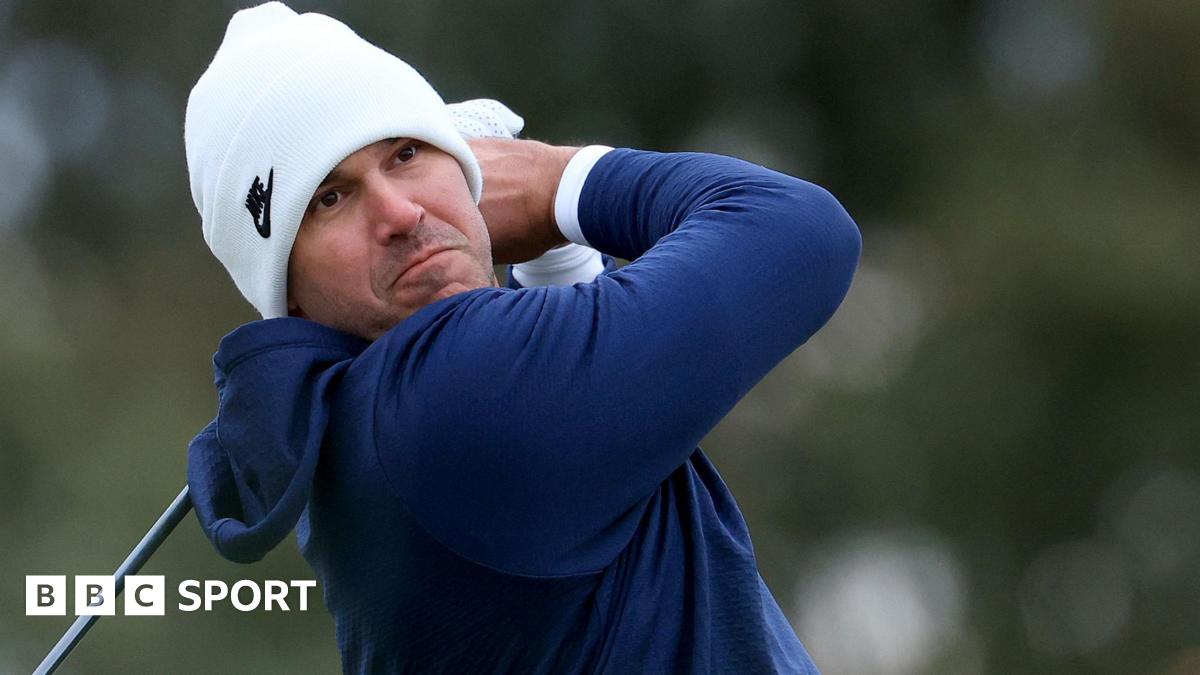
For retail investors and finance professionals observing this evolving market, the PGA Tour’s new financial structure, particularly the equity component, signifies a material change in its investment profile. The challenge of integrating former LIV players like Brooks Koepka becomes a crucial test of the tour’s ability to balance past grievances with future commercial gain. As Billy Horschel noted, bringing back stars like Koepka could add significant value to PGA Tour Enterprises. Investors should monitor how effectively the tour manages these reintegration processes, watching for clarity on eligibility pathways and financial terms, as these factors will directly impact the tour’s brand equity and potential for revenue growth. This situation presents a unique opportunity to analyze how capital deployment and governance impact asset valuation within the rapidly evolving sports industry.
About the Author