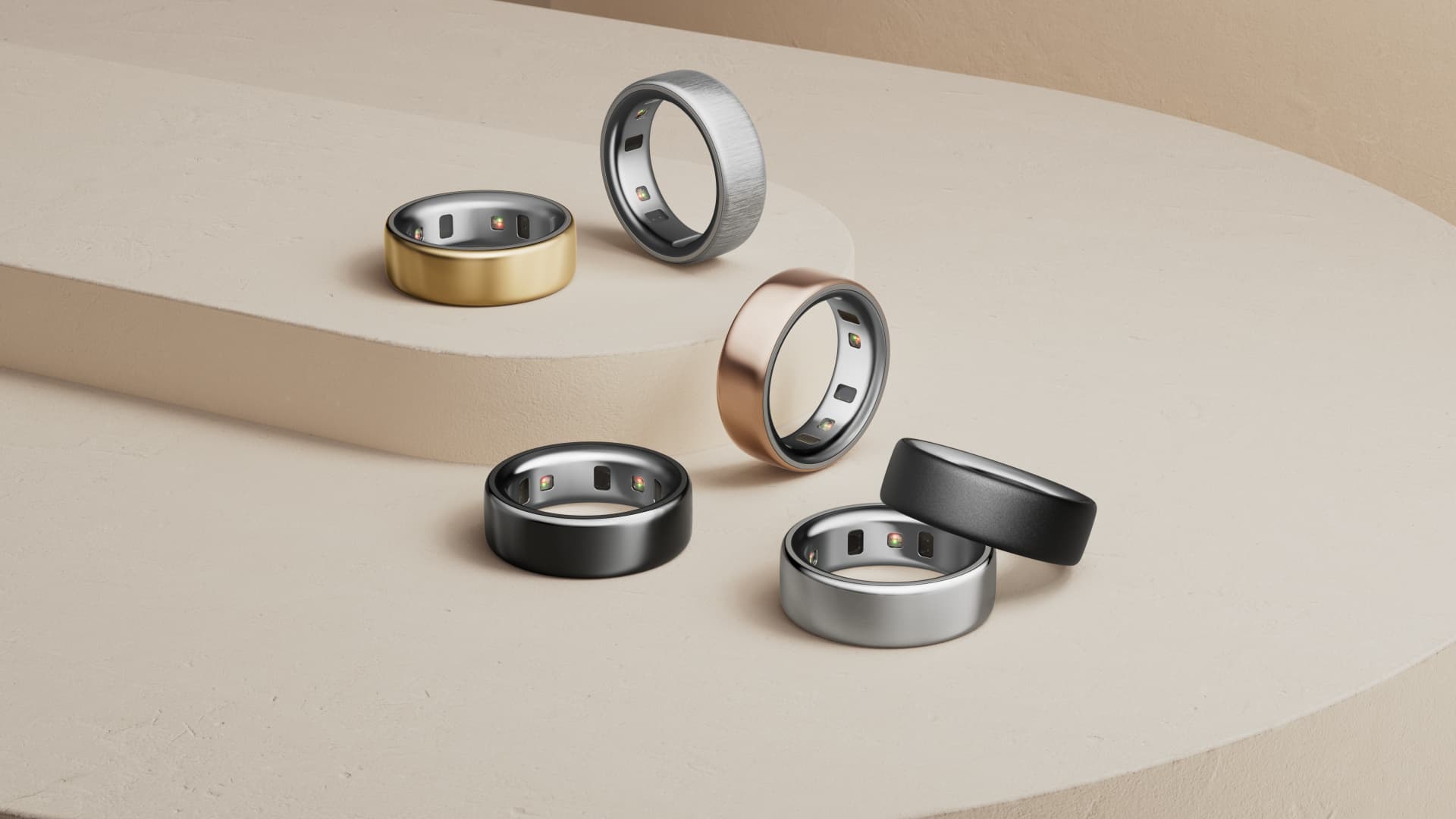
Key Takeaways
Oura targets $2B sales by 2026, driven by AI & expansion. Get analysis on growth, market implications, and investor outlook for the smart ring leader.
Market Introduction
Oura targets nearly $2 billion in 2026 sales, marking ambitious growth for the smart ring maker. CEO Tom Hale’s projection leverages AI advancements and international expansion in the competitive wearable technology sector. As of market close today (Nov 12, 2025), Oura’s valuation stands at $11 billion.
This forecast is crucial for investors, indicating Oura’s strategy to capitalize on demand for advanced health-focused wearables and solidify its market position amidst evolving consumer preferences.
Oura aims for $1 billion in sales for 2025. Market analysts expect continued revenue growth from its innovative product line.
We explore the key factors behind this aggressive forecast and its significant market implications.
Data at a Glance
| Metric | Previous | Current | Change |
|---|---|---|---|
| Valuation | N/A | USD 11 Billion | N/A |
| 2025 Sales Target | USD 1 Billion | USD 1 Billion | 0.0% |
| 2026 Sales Target | N/A | Nearly USD 2 Billion | N/A |
In-Depth Analysis
The wearable technology market continues its rapid evolution, with companies like Oura strategically leveraging advanced features to capture consumer interest and drive growth. Oura’s projected sales of nearly $2 billion by 2026 underscore a significant upward trajectory, building upon its existing success and ambitious international expansion plans. This aggressive forecast is particularly noteworthy given the company’s recent $900 million funding round in October 2025, which has undoubtedly fueled its investment in AI and global market penetration. Historically, Oura has demonstrated a steady increase in ring sales, with over 5.5 million units sold since its 2015 launch, and a remarkable acceleration of over 2.5 million sales since June 2025, indicating strong market reception and a rapidly growing user base.
Fundamentally, Oura’s strategy appears robust, focusing on enhancing its AI capabilities to deliver personalized health insights and actionable advice. CEO Tom Hale emphasized the company’s AI-forward approach, highlighting its ability to translate raw data into actionable guidance and coaching through features like the Oura Advisor chatbot. This focus on preventative healthcare, incorporating features like women’s health tracking, glucose monitoring via partnership with Dexcom, and blood pressure research, directly addresses evolving consumer demands for comprehensive wellness solutions. The company’s current valuation of $11 billion suggests strong investor confidence in its business model and future growth prospects, even without immediate IPO plans. Metrics like customer lifetime value and subscription renewal rates, while not detailed here, would be critical indicators of sustained revenue and profitability.
Compared to key competitors in the wearable tech and health tracking space, such as Apple with its Watch and Fitbit, Oura differentiates itself through its specialized focus on discreet, ring-based health monitoring and predictive analytics. While Apple offers a broader ecosystem, Oura targets a niche seeking continuous, in-depth health data without the intrusiveness of a smartwatch. Its strategic partnerships with Natural Cycles for fertility tracking and Dexcom for glucose monitoring showcase a focused approach to integrating specialized health functionalities. The broader market trend favors devices that offer deeper health insights beyond basic activity tracking, a space where Oura aims to be a dominant player. Regulatory approvals for new health features, such as those Oura is actively pursuing, represent key competitive advantages.
From an investor’s perspective, Oura’s aggressive sales target represents a significant opportunity, contingent on continued innovation and successful market penetration. The key risks include intense competition from established tech giants, potential regulatory hurdles for advanced health features, and the challenge of maintaining long-term user engagement and subscription retention. However, the company’s clear focus on AI-driven preventative health, coupled with successful international expansion and strategic partnerships, positions it favorably. Investors should monitor Oura’s ability to execute its ambitious growth strategy and convert its growing user base into long-term, high-value customers. The prospect of nearly doubling sales for a second consecutive year suggests a strong growth trajectory, making it a compelling company to watch in the health tech sector.
About the Author