Key Takeaways
CCTV shows cargo ship crashing into an oil tanker in the North Sea, resulting in an explosion and one fatality. Follow updates on the ongoing trial.
Overview
A shocking maritime incident has seized public attention as a jury at the Old Bailey recently viewed dramatic CCTV footage of a cargo ship colliding with an oil tanker in the North Sea. This North Sea ship collision trial highlights the immediate explosion and tragic loss of a crew member, underscoring critical international shipping safety issues and current affairs for news consumers.
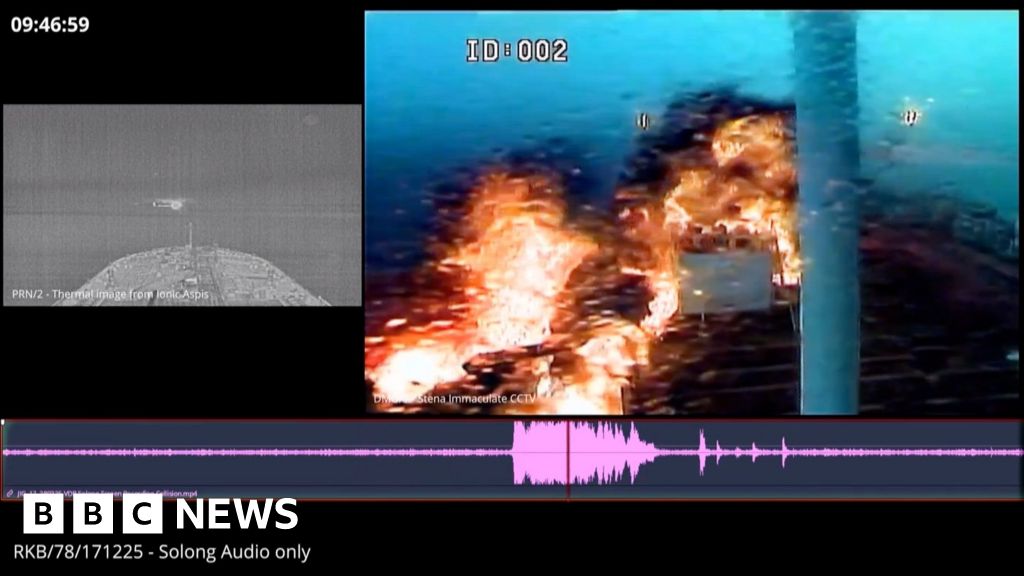
Footage from the Stenna Immaculate oil tanker’s bridge showed the Solong cargo ship striking its left-hand side, engulfing both vessels in flames. Additional thermal camera footage from a nearby ship also captured the explosion’s intensity, providing key evidence in the ongoing legal proceedings.
The incident, occurring off the East Yorkshire coast on March 10, left Mark Angelo Pernia, 38, presumed dead. Vladimir Motin, the Russian captain of the Solong, denies gross negligence manslaughter.
This ongoing trial offers crucial insights into maritime safety regulations and demands attention from general readers following today’s global updates.
Detailed Analysis
The North Sea, a vital artery for international shipping and a crucial hub for energy production, constantly operates under immense pressure, balancing commercial demands with rigorous safety protocols. Collisions, especially those of catastrophic scale, serve as poignant reminders of the inherent dangers in maritime operations. Historically, this region has witnessed numerous incidents, propelling continuous advancements in navigation technology, traffic management, and crew training. Yet, human error, mechanical failures, and challenging environmental conditions persistently present significant hurdles. The specific collision on March 10, involving the Solong cargo ship and the Stenna Immaculate oil tanker off the East Yorkshire coast, now under judicial scrutiny, brings these enduring concerns into sharp focus. The ongoing trial for gross negligence manslaughter against Vladimir Motin, the cargo ship’s captain, emphasizes individual accountability within a complex operational framework, prompting a closer examination of established protocols and their practical enforcement.
At the heart of the current legal proceedings is the compelling CCTV footage, which starkly captures the Solong making direct contact with the Stenna Immaculate. This visual evidence, further corroborated by thermal camera recordings from a nearby vessel depicting the immediate fiery explosion, constitutes the prosecution’s central argument. The profound severity of the impact, which tragically led to the presumed death of Mark Angelo Pernia, 38, underscores the devastating potential when large vessels collide, particularly when an oil tanker is involved. For news consumers, the granular details emerging from the Old Bailey trial serve as a grim testament to the occupational hazards routinely faced by seafarers. Captain Motin’s plea of not guilty to gross negligence manslaughter introduces a critical legal dimension, where the court must meticulously determine if his actions, or lack thereof, directly caused the catastrophic outcome and if they fell below the professional standard expected of a competent ship master. The proceedings are thoroughly examining factors such as navigational awareness, communication protocols, and adherence to international maritime regulations, providing essential insights into the intricate legal frameworks surrounding such tragedies.
This North Sea ship collision, while specific, reflects broader challenges in maritime safety and legal accountability. Historically, incidents involving large vessels, particularly oil tankers, underscore the potential for catastrophic outcomes despite stringent international regulations like MARPOL and SOLAS. These conventions govern navigation, crew training, and vessel maintenance. The ongoing trial suggests a potential lapse in these safeguards, raising questions about individual responsibility within complex operational environments. This incident tragically escalated to a fatality and major explosion, unlike minor marine events where quick interventions often prevent disaster. The legal scrutiny of Captain Motin’s alleged gross negligence indicates a global trend towards holding maritime officers personally accountable, a significant development for general readers tracking current events.
For general readers and news consumers, the North Sea ship collision trial serves as a poignant reminder of the inherent risks within global commerce and the intricate web of safety measures designed to mitigate them. Beyond the tragic loss of life, this incident highlights the immense responsibilities borne by those in command of large vessels and the severe consequences when protocols fail. The outcome of Captain Motin’s trial will likely set important precedents for maritime legal frameworks, impacting future regulations and accountability standards across the industry. Those following today’s updates should monitor the trial’s verdict and any subsequent recommendations from international maritime organizations. This case underscores that even with advanced technology, human vigilance and strict adherence to safety procedures remain paramount for preventing such devastating current events.
About the Author