Key Takeaways
Nigeria and Morocco clash in a high-stakes AFCON semi-final, locked 0-0 at halftime. Unpack key player insights, match stats, and second-half predictions for sports fans.
Overview
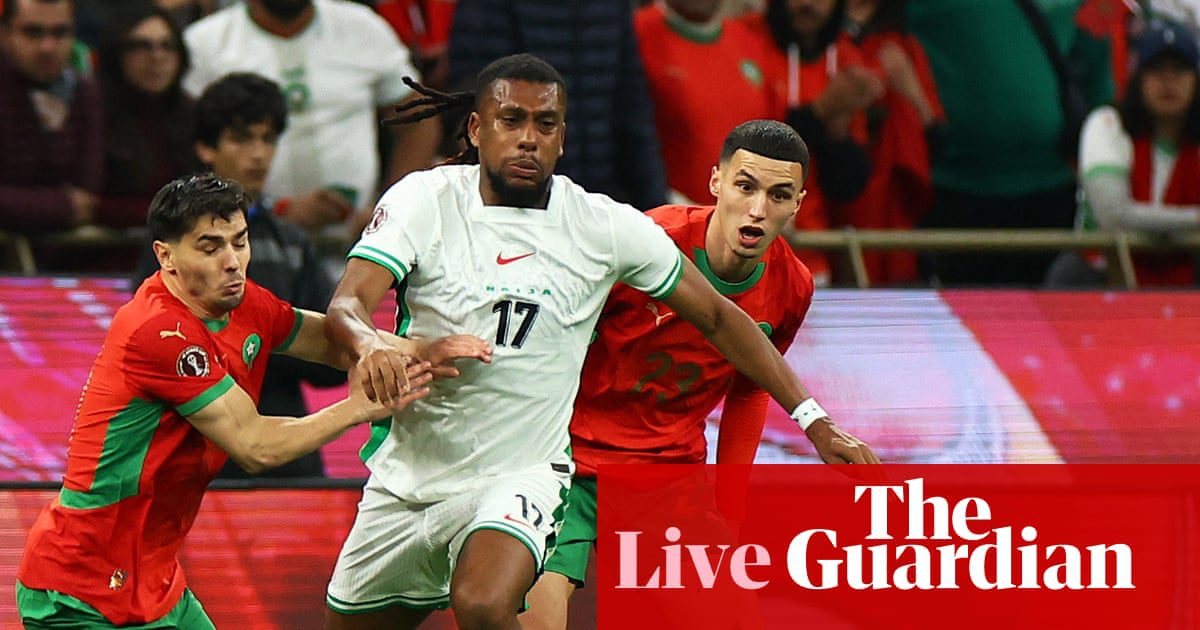
The Africa Cup of Nations 2025 semi-final clash between Nigeria and Morocco exploded with palpable tension, culminating in a fiercely contested 0-0 deadlock at halftime. This pivotal encounter at the Stade Prince Moulay Abdellah sees two African giants battling for a coveted spot in the final, igniting the passions of football fans across the continent.
For Sports Fans and analysts, this match isn’t just about a win; it’s a statement. Nigeria, fresh from a near-perfect tournament run, faces the host nation Morocco, who are eyeing their first final appearance in 22 years, adding immense pressure and excitement to every tackle and pass.
Morocco’s Brahim Díaz leads the tournament with 5 goals, while Nigeria’s talisman Victor Osimhen has netted 4. Both teams boast unbeaten records in the knockout stages, setting the stage for a dramatic second half.
The tactical battle and individual brilliance will define the outcome, with the next 45 minutes, and potentially extra time, promising electrifying Football action.
Key Data
| Team | Group Stage Performance | Knockout Stage | Top Scorer (Tournament) |
|---|---|---|---|
| Nigeria | 1st (3 wins, 0 draws, 0 losses) | Last 16: 4-0 v Mozambique; QF: 2-0 v Algeria | Victor Osimhen (4 goals) |
| Morocco | 1st (2 wins, 1 draw, 0 losses) | Last 16: 1-0 v Tanzania; QF: 2-0 v Cameroon | Brahim Díaz (5 goals) |
Detailed Analysis
The Africa Cup of Nations 2025 semi-final clash between Nigeria and Morocco has delivered exactly what football fans crave: unyielding intensity, tactical chess, and a nail-biting stalemate at halftime. With both nations boasting formidable journeys to this stage, the opening 45 minutes were a testament to their defensive discipline and the sheer magnitude of the occasion. Morocco, the 2026 hosts, are desperate to end a 22-year wait for a final appearance and lift the trophy for the first time in five decades. Nigeria, conversely, are chasing redemption after finishing as runners-up just two years prior, falling to host nation Côte d’Ivoire. The atmosphere in Rabat is electric, with the home crowd’s piercing whistles for Nigeria amplifying the pressure, setting a vibrant, yet challenging, stage for continental glory.
Nigeria, lining up in a 4-3-1-2 formation, saw key players like Iwobi and Lookman attempting to unlock Morocco’s defense. A significant moment arose in the 15th minute when Iwobi set up Lookman, whose powerful shot from 20-25 yards out forced a parry from Morocco’s goalkeeper Bounou, signaling Nigeria’s intent. Morocco, in their 4-3-3 setup, responded with their own threats. Brahim Díaz, a constant menace, drifted in on his left foot in the 9th minute, narrowly missing the far post. Goalkeeper Nwabali was tested again in the 40th minute by El Khannouss but remained resolute. The game’s intensity escalated with Bassey’s soft yellow card in the 33rd minute, a decision that would crucially rule him out of the final should Nigeria progress. This single disciplinary action highlights the fine margins and high stakes embedded in every moment of this Afcon semi-final, with team depth now a critical factor.
Looking at their respective paths, Nigeria arrived at the semi-final with a flawless record, winning all their group matches and securing comprehensive knockout victories against Mozambique (4-0) and Algeria (2-0). Their collective performance and star power, epitomized by striker Victor Osimhen’s four goals, have made them a formidable force. Morocco, while also topping their group and remaining unbeaten, had a draw against Mali and slightly tighter wins in the knockout stages (1-0 against Tanzania, 2-0 against Cameroon). The individual brilliance of Brahim Díaz, with five goals, has been instrumental for the Atlas Lions. The home crowd provides a significant advantage for Morocco, turning every pass into an ovation or a deafening whistle, undoubtedly affecting player psychology and referee decisions. This contrasts sharply with the earlier semi-final where Senegal narrowly defeated Egypt, indicating that no team can afford even a moment of complacency.
For Sports Fans and Sports Analysts, the second half promises a fierce tactical battle. Nigeria will aim to capitalize on any Moroccan jitters, especially with the home crowd becoming restless if the deadlock persists. Key players like Osimhen and Brahim Díaz will be under immense scrutiny to deliver the decisive blow. Given Bassey’s yellow card, Nigeria’s defensive resilience in the absence of Captain Wilfred Ndidi (due to injury and suspension) will be paramount. Fans should watch for increased attacking urgency, potential substitutions, and how both teams manage fatigue, especially if the match extends to extra time. The outcome will not only determine a finalist but also significantly impact Morocco’s aspirations as a potential co-host for the 2030 World Cup, with their current hosting abilities under intense review. This semi-final is a true test of character and skill, with everything on the line.
About the Author