Protests Shut Down Minnesota Businesses Over ICE Crackdown in 2026
🔑 KEY TAKEAWAYS
- ✓ Primary fact: Hundreds of businesses in Minnesota closed in solidarity with protesters opposing ICE crackdowns.
- ✓ Key Detail: The protests and business closures occurred throughout Minneapolis-St. Paul on January 24, 2026.
- ✓ Context: This action highlights growing tensions and activism against federal immigration policies and enforcement.
- ✓ What’s Next: Community leaders and activists are expected to continue organizing demonstrations and advocacy efforts.
- ✓ Bottom line: The Minnesota protests signify increasing resistance to ICE and federal immigration policies in 2026.
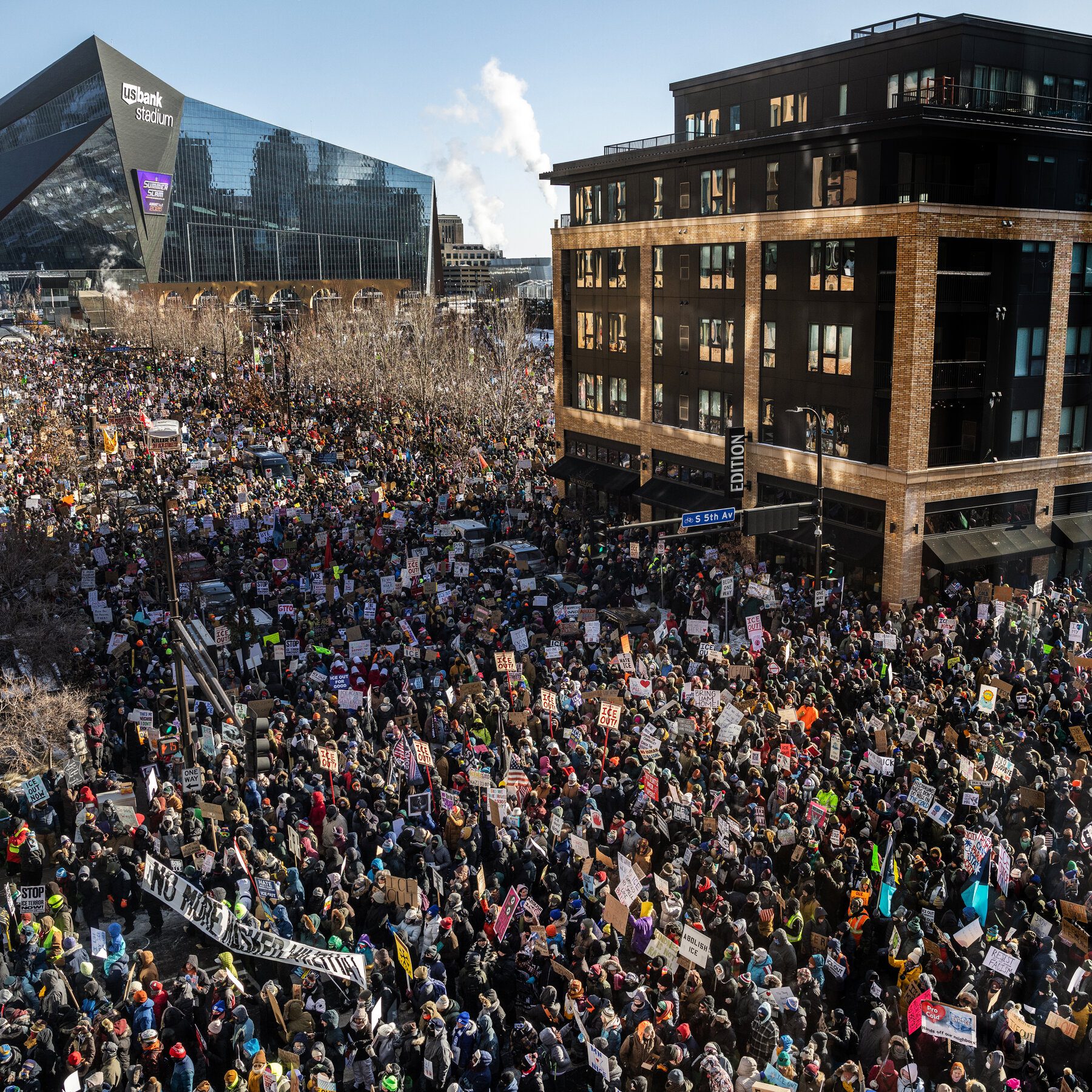
Thousands of protesters took to the streets in Minneapolis-St. Paul on January 24, 2026, demanding an end to what they describe as a weeks-long crackdown by federal immigration agents. In a show of solidarity, hundreds of Minnesota businesses closed their doors, joining the demonstrations aimed at disrupting normal operations and drawing attention to the activists’ cause. This widespread action underscores the deep divisions and strong feelings surrounding immigration enforcement in the region.
The protests and business closures are a direct response to increased ICE activity in local communities, raising concerns about the impact on families and the broader economy. The shutdown highlights the community’s frustration and determination to challenge federal policies.
This occurred throughout the Minneapolis-St. Paul area. The New York Times reported on the events as they unfolded. This article breaks down the key details of the Minnesota protests.
Why Did Minnesota Businesses Strike?
Businesses closed in solidarity with protesters who are demanding that ICE end its alleged crackdown. The closures signify a protest against federal immigration policies and a show of support for immigrant communities. This coordinated effort aimed to disrupt daily operations and amplify the message against current immigration enforcement practices.
The decision to close businesses represents a significant step by local owners and operators. By ceasing their activities, they are making a clear statement about their values and their alignment with the protesters’ cause. This is not just about a single day of lost revenue; it’s about using their economic power to advocate for policy changes and support the immigrant community.
What Are the Key Details?
The protests took place throughout Minneapolis-St. Paul, with thousands of individuals participating in street blockades and demonstrations. The primary objective of the protesters was to disrupt normal activity and draw attention to their demands for an end to ICE’s enforcement actions. Business closures were strategically timed to coincide with the protests, amplifying the impact of the demonstrations.
While specific details about the ICE crackdown remain somewhat unclear, the protesters allege that federal immigration agents have been engaging in intensified enforcement activities targeting immigrant communities in the region. These activities reportedly include increased raids, detentions, and deportations, leading to fear and instability within these communities. The lack of transparency surrounding these actions has further fueled the protesters’ outrage and determination to demand change.
How Does This Impact the Community?
The protests and business closures have a significant impact on the local community, both economically and socially. The shutdown of businesses can lead to temporary disruptions in the local economy, as employees lose wages and consumers face limited access to goods and services. However, the long-term impact may be more profound, as the protests raise awareness about the challenges faced by immigrant communities and spark broader conversations about immigration reform.
Socially, the protests can create both division and solidarity within the community. While some residents may support the protesters’ cause, others may view the demonstrations as disruptive and harmful to local businesses. However, the protests also provide an opportunity for individuals to come together and express their shared values and concerns about immigration policies.
What Should You Watch Next?
Moving forward, it will be crucial to monitor the ongoing response from both federal immigration authorities and local community leaders. It remains to be seen whether ICE will heed the protesters’ demands and modify its enforcement practices in the region. Additionally, community leaders and activists are likely to continue organizing demonstrations and advocacy efforts aimed at promoting immigration reform.
The outcome of these events will have far-reaching implications for immigrant communities in Minnesota and across the United States. As such, it is essential to stay informed about the latest developments and engage in constructive dialogue about immigration policies and their impact on society.
Frequently Asked Questions
The protesters were demanding that federal immigration agents end their weeks-long crackdown in the Minneapolis-St. Paul area. They sought an immediate cessation of ICE’s enforcement activities targeting immigrant communities.
Businesses closed to show their support for the immigrant community and to protest against federal immigration policies. These closures aimed to disrupt daily operations and amplify the message against ICE’s actions.
The protests and business closures took place throughout the Minneapolis-St. Paul metropolitan area in Minnesota. These actions targeted key locations to maximize their impact and visibility.
The outcome remains uncertain, but community leaders and activists are expected to continue organizing demonstrations and advocacy efforts. The long-term impact will depend on the response from federal authorities and the broader public dialogue on immigration reform.
📚 Related Topics on Stock99.in
Explore more latest news updates:
- Immigration Policy
- Local News Minnesota
- Civil Rights Protests
- Economic Impact of Immigration
- Community Activism
About the Author