Key Takeaways
Nick Shirley to testify before Congress on Minnesota’s alleged $9 billion fraud scheme. Understand the policy implications and government oversight for taxpayers.
Overview
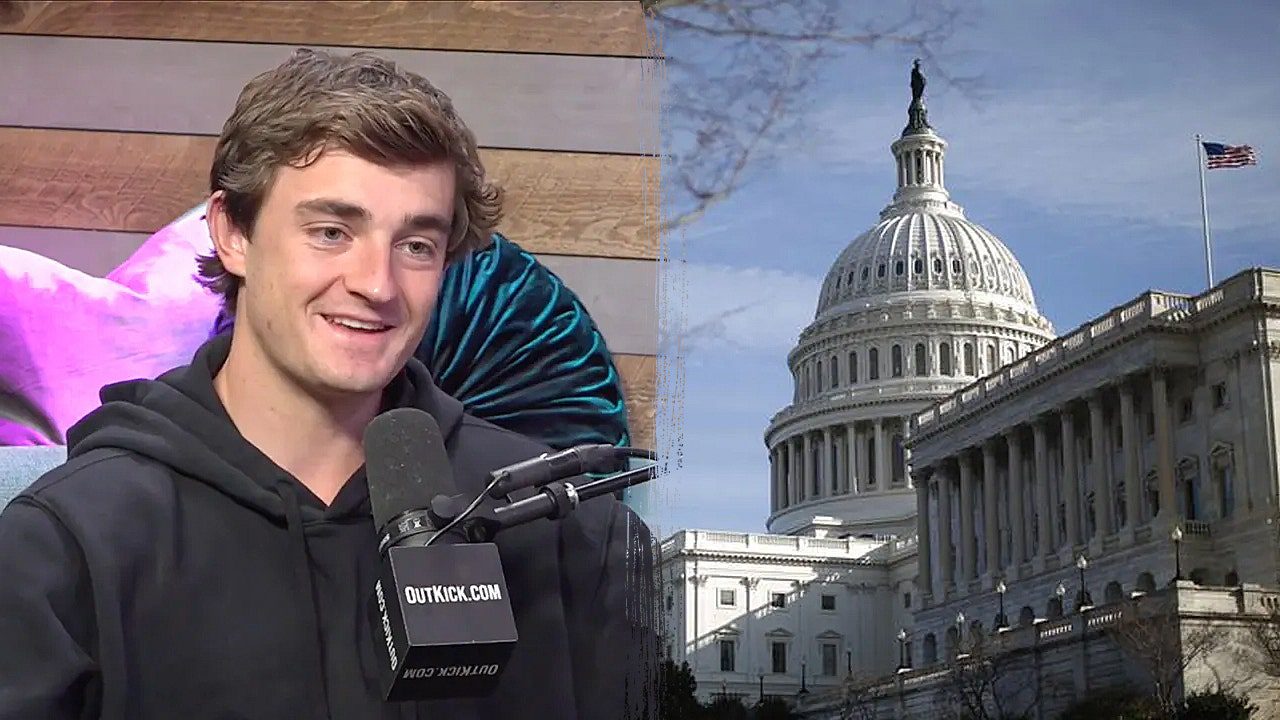
A significant congressional hearing is set to address the extensive Minnesota fraud scheme, where YouTuber and freelance journalist Nick Shirley will testify before the House Judiciary Committee Subcommittee on Crime and Federal Government Surveillance. This hearing underscores the government’s commitment to probing the alleged misappropriation of taxpayer dollars.
Scheduled for January 21, the session titled “When Public Frauds are Abused: Addressing Fraud and the Theft of Taxpayer Dollars,” aims to bring transparency and accountability to a scandal that has gripped the state and highlighted vulnerabilities in federal aid programs.
Federal investigations initiated in 2022 revealed an estimated $250 million in fraudulent claims linked to the “Feeding Our Future” nonprofit, with prosecutors suggesting the total alleged fraud could escalate to $9 billion. So far, 78 individuals face criminal charges.
This testimony and the broader hearing signify a crucial moment for policymakers and citizens alike, focusing on safeguards and rectifying systemic issues to prevent future abuses of public funds.
Key Data
| Fraud Scheme Metric | Figure | Description |
|---|---|---|
| Identified Fraud Claims | $250 Million | Uncovered in initial ‘Feeding Our Future’ investigation. |
| Potential Total Fraud Scope | $9 Billion | Prosecutors’ estimate of broader fraud connected to the operation. |
| Individuals Charged | 78 | Number of individuals facing criminal charges related to the fraud. |
Detailed Analysis
The upcoming congressional hearing concerning the Minnesota fraud scheme represents a critical instance of legislative oversight and accountability, particularly poignant in an era where the integrity of public funds is under increasing scrutiny. The House Judiciary Committee Subcommittee on Crime and Federal Government Surveillance’s decision to convene this session, titled “When Public Frauds are Abused: Addressing Fraud and the Theft of Taxpayer Dollars,” speaks volumes about the perceived severity and widespread impact of the alleged activities. This initiative aligns with the fundamental democratic principle that government spending, especially federal aid intended for vulnerable populations, must be transparent and impervious to corruption. The spotlight on Nick Shirley, a self-described YouTuber and freelance journalist whose investigative efforts helped unearth this organized fraud network, also highlights the evolving role of citizen journalism in holding power accountable and informing legislative action, thereby enriching the civic discourse.
The backdrop to this hearing is a state grappling with reported challenges to public order, as articulated by Representative Andy Biggs, R-Ariz., who chairs the subcommittee. He noted a prevailing sentiment among Minnesota residents of a ‘lawless’ environment, characterized by rampant theft and property crime. This perception of general disorder provides a somber context for the more systematic and massive alleged fraud, suggesting a broader erosion of trust and security. The focal point of the fraud investigation is “Feeding Our Future,” a nonprofit that federal prosecutors have identified as a central conduit in what they describe as one of the largest COVID-relief fraud schemes on record. Launched in 2022, the independent investigation rapidly escalated, revealing staggering figures that underscore the profound policy implications and the sheer scale of the alleged criminal enterprise. This concerted federal effort to dismantle such networks signals a robust government response to protect taxpayer interests and ensure that emergency relief programs achieve their intended humanitarian goals without being exploited.
The specific details of the alleged fraud are alarming: an estimated $250 million in fraudulent claims has been uncovered, leading to criminal charges against 78 individuals. However, the true magnitude of the problem may be far greater, with prosecutors suggesting the total scope of the alleged fraud connected to the operation could ultimately approach $9 billion. This immense figure underscores not only the financial loss but also the potential for diverted resources to have significantly impacted the very communities they were intended to serve. The hearing’s witness roster is designed to provide multifaceted perspectives on the issue. In addition to Nick Shirley, testimony will be heard from Jennifer Larson, CEO of the Holland Autism Center and Clinic, and Scott Dexter, a former Minnesota police officer and fraud investigator. Their collective insights are expected to illuminate various aspects of the fraud, from its operational mechanisms to its societal fallout and the investigative challenges encountered. The presence of House Judiciary Committee Chairman Rep. Jim Jordan, R-Ohio, further emphasizes the gravity of the proceedings and the bipartisan concern over the integrity of federal programs.
The motivations behind the congressional inquiry are clear, as articulated by Rep. Laurel Lee, R-Fla., who will also be in attendance. She emphasized the hearing’s purpose as a matter of “transparency, accountability and safeguards that prevent this kind of abuse from happening again.” Rep. Lee highlighted the ‘staggering’ scale of the fraud as an “egregious abuse of federal taxpayer dollars by criminal actors.” The Committee’s stated commitment is to “exposing the full scope of that fraud, understanding how it was carried out, and ensuring that taxpayer funds intended to help vulnerable Americans are not diverted into the pockets of criminals.” This legislative intent reflects a broader political imperative to restore public confidence in government programs and demonstrate a proactive stance against financial malfeasance. The investigation into “Quality Learning Center” further underscores the diverse avenues through which the alleged fraud operated, extending into areas such as childcare services, indicating a systemic vulnerability across various aid distribution points. [Suggested Matrix Table: Comparison of Stated vs. Uncovered Fraud Volumes in Minnesota’s Schemes, highlighting initial estimates against current prosecution figures and the number of individuals charged]
The political landscape surrounding the Minnesota fraud investigation is further complicated by related law enforcement actions, specifically a massive operation launched by the Department of Homeland Security (DHS) in the state. This operation aimed to locate and arrest illegal migrants who had committed crimes, including those potentially contributing to the fraud scandal. The deployment of a historic number of ICE agents led to heightened tensions and clashes with federal agents. A tragic incident ensued when an ICE officer fatally shot Renee Nicole Good, a 37-year-old woman, after authorities claimed her vehicle charged toward agents during an enforcement operation. This event ignited widespread protests and unrest in Minneapolis, creating a volatile environment that intertwined issues of fraud, immigration enforcement, and civil liberties. DHS Secretary Kristi Noem subsequently characterized Good’s actions as “domestic terrorism,” asserting that she attempted to use her vehicle against federal officers, and revealed that the officer involved suffered internal bleeding. This sequence of events adds layers of complexity and controversy to the overarching narrative of public fraud and its consequences.
For News Readers, Policy Watchers, Informed Citizens, and Political Analysts, the congressional hearing on the Minnesota fraud scheme offers significant insights into the intricate challenges of modern governance and the protection of public resources. This case exemplifies the critical need for robust oversight mechanisms within federal programs, particularly those rapidly deployed during national crises like the COVID-19 pandemic. Policy Watchers will be scrutinizing the hearing for potential legislative recommendations that could lead to systemic changes in how federal aid is distributed and monitored, aiming to close loopholes that criminal networks exploit. The testimony, particularly from an independent journalist, could influence future policies regarding whistleblower protection and the integration of non-traditional investigative insights into formal government processes. For Informed Citizens, the stark figures of alleged fraud—$250 million uncovered, with a potential $9 billion total scope—underscore the tangible impact of corruption on taxpayer dollars and the resources intended for vulnerable communities. The accompanying social unrest in Minneapolis following the ICE operation and the tragic fatal shooting also highlights the multifaceted challenges inherent in large-scale law enforcement interventions related to federal crimes. Political Analysts will closely observe how this hearing influences broader narratives around government effectiveness, immigration policy, and public trust, especially as the issue involves federal programs, state-level alleged criminality, and federal enforcement actions. The unfolding discussions and any subsequent policy proposals will be crucial metrics to monitor for their long-term implications on federal spending accountability and community relations. The outcome of this congressional scrutiny could set precedents for how similar large-scale fraud cases are addressed and mitigated in the future, fostering a more secure and accountable use of public funds.
About the Author