Key Takeaways
Minneapolis Mayor Jacob Frey addresses massive government program fraud, emphasizing collective accountability. Discover policy implications and ongoing efforts to strengthen oversight.
Overview
Minneapolis Mayor Jacob Frey recently acknowledged that “everybody could have done more” to prevent the widespread fraud impacting Minnesota government programs. This admission comes amid intense scrutiny over the misallocation of taxpayer funds intended for social initiatives.
The situation underscores critical questions about government accountability and oversight in public spending, prompting a deeper examination of safeguards within state-run programs. Policy watchers and informed citizens are keenly observing how state leaders address these vulnerabilities.
While specific aggregate monetary figures were not disclosed, dozens of individuals have been charged and convicted for stealing millions of dollars, highlighting the significant scale of financial mismanagement. These fraudulent activities involved taxpayer money designated for essential social programs.
The unfolding events require a balanced political analysis, exploring stakeholder perspectives and the broader policy implications for governance and public trust in the administration of aid.
Detailed Analysis
The state of Minnesota is grappling with a significant crisis involving massive fraud in government-funded programs, a situation that has drawn national attention and sparked a contentious political debate. Minneapolis Mayor Jacob Frey recently addressed these concerns, publicly stating that “everybody could have done more to prevent fraud.” This admission highlights the challenges inherent in overseeing large-scale public initiatives designed to distribute taxpayer money, especially those aimed at social welfare. The controversy involves dozens of convictions tied to schemes that illegally diverted funds from various state-run programs. This backdrop sets the stage for a broader discussion on governance efficacy and the mechanisms in place to protect public resources. The political discourse surrounding the issue often sees Republicans criticizing state leadership for perceived inaction, while Democrats emphasize strengthened safeguards and attribute some criticisms to partisan motives. The long-term implications for public trust in government policy are considerable.
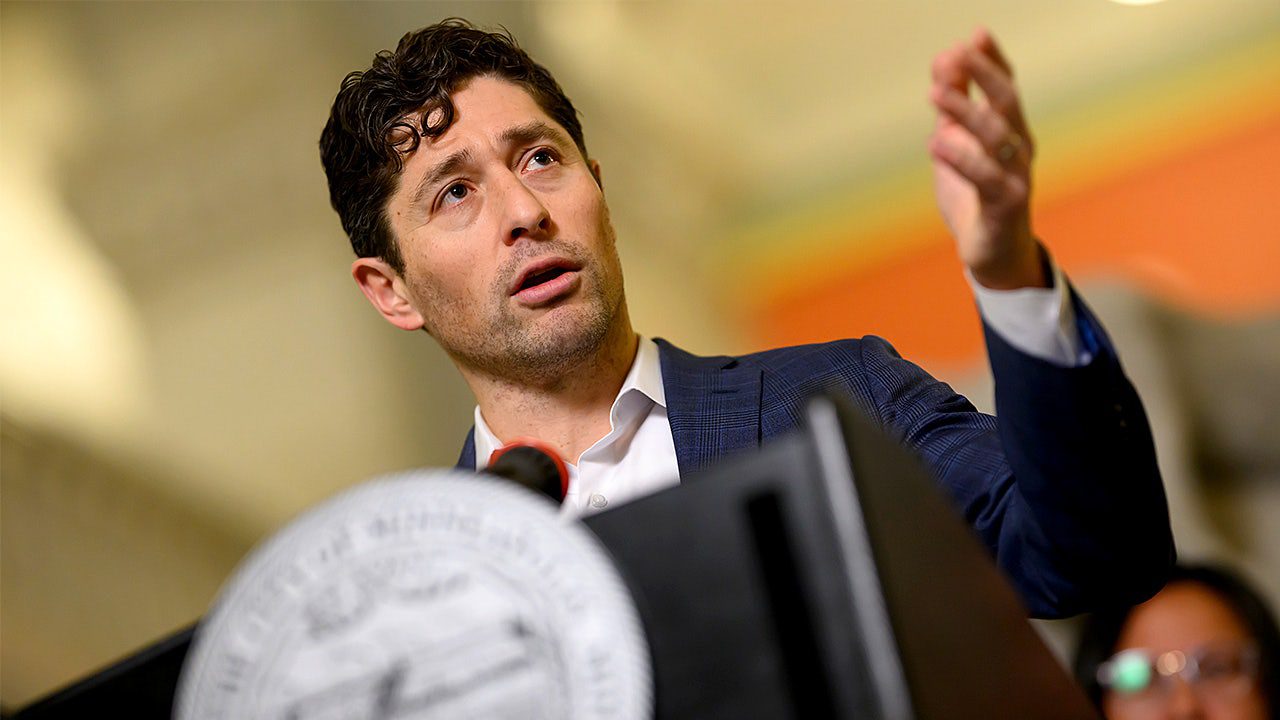
During a recent appearance, Mayor Frey faced pointed questions regarding Governor Tim Walz’s role in preventing the extensive fraud. While crediting Governor Walz for various social programs, Frey ultimately conceded, “Obviously, everybody could have done more to prevent fraud.” He further acknowledged the reality of the fraud, stating, “the fraud’s real. We’ve all got to acknowledge it.” This stance by Mayor Frey offers a nuanced perspective within the Democratic party, signaling a recognition of the problem’s severity. Governor Walz’s administration has responded to the crisis by implementing new measures, including ordering a third-party audit of Medicaid billing through Minnesota’s Department of Human Services and pausing payments for certain services during the audit period. A spokesperson for Walz affirmed the Governor’s commitment to “crack down on fraud” and strengthen oversight, with Walz himself accepting accountability, stating the situation “is on my watch.” These actions reflect an effort to reinforce policy implementation and restore public confidence.
The political reactions to the Minnesota fraud crisis have been largely polarized, illustrating classic partisan dynamics in the face of governmental challenges. Republicans have consistently argued that state leaders ignored clear warning signs for years, leveraging the situation to criticize the Democratic administration’s oversight capabilities. Conversely, some Democrats, including Governor Walz, have suggested that federal actions and certain estimations of the fraud’s scale have been overblown for partisan gain. This divergence in perspectives complicates a unified approach to addressing the issue and underscores the political implications of such scandals. Despite the differing rhetoric, both sides acknowledge the need for stronger safeguards, with Walz’s administration actively setting up “a whole bunch of infrastructure” for fraud prevention. This scenario offers a valuable case study for News Readers and Policy Watchers on how governments react to and manage significant public financial integrity breaches.
For News Readers, this situation highlights the ongoing struggle to ensure accountability in public spending, offering a look into the complexities of inter-governmental oversight. Policy Watchers should monitor the outcomes of the third-party audits and the effectiveness of the new infrastructure put in place by Governor Walz’s administration. The crisis directly impacts Informed Citizens by raising concerns about the integrity of social programs funded by their taxpayer dollars, emphasizing the need for robust mechanisms in government policy. Political Analysts will observe the long-term effects on Minnesota’s political landscape and the potential for similar scrutiny in other states, particularly concerning how such incidents influence voter trust and future electoral campaigns. Continued vigilance over proposed reforms and their actual implementation will be crucial in restoring confidence and preventing future occurrences.
About the Author