Key Takeaways
Meta’s new strategic leadership, with Dina Powell McCormick, shapes its Global Tech Vision 2026. Discover impacts on AI, metaverse, and market expansion for India’s developers and startups.
Overview
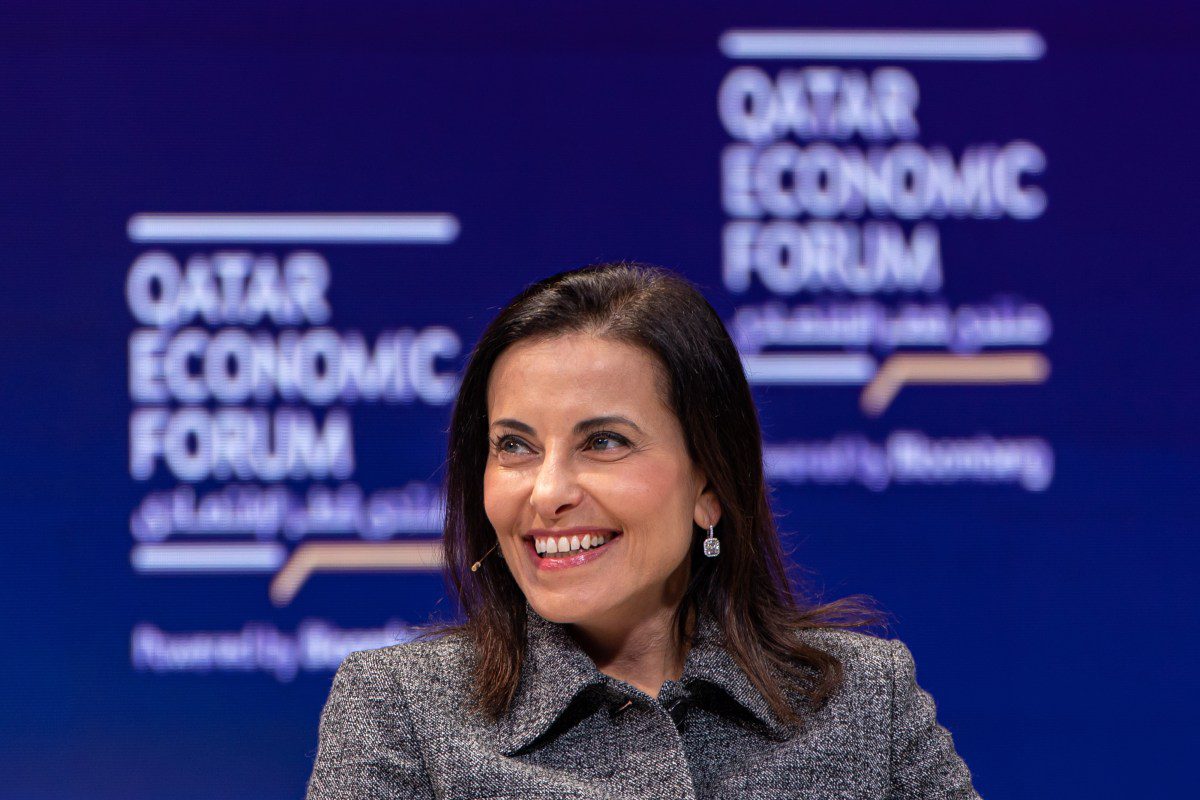
Meta has made a pivotal strategic move by appointing former Trump advisor Dina Powell McCormick as President and Vice Chairman, signaling an intensified focus on global strategy and execution for its next phase of tech growth. This strategic leadership shift is critical for Meta’s Global Tech Vision 2026.
For tech enthusiasts, innovators, and startup founders, this highlights Meta’s recognition that diplomacy and high-level finance are crucial for fostering its global AI and metaverse innovation ecosystem, extending beyond core product development.
Powell McCormick brings 16 years of experience as a Goldman Sachs partner and served as Deputy National Security Advisor to President Trump, providing expertise in global finance and international relations.
This move is set to reshape Meta’s market expansion and startup partnerships, profoundly impacting technology India and its burgeoning innovation landscape.
Key Data
| Executive | Meta Role (2026) | Prior Key Experience | Strategic Value to Tech Strategy |
|---|---|---|---|
| Dina Powell McCormick | President & Vice Chairman | 16 years Goldman Sachs Partner; Deputy National Security Advisor (Trump Admin); State Dept. (Bush Admin) | Global finance, international relations, high-level strategy, government engagement for tech expansion. |
| Curtis Joseph Mahoney | (Role not specified in source) | Former Microsoft Legal Executive; Deputy U.S. Trade Representative (Trump Admin) | Legal strategy, trade policy navigation, tech regulation, international market access. |
Detailed Analysis
Meta, a central figure in the evolving global technology landscape and a key player driving innovation in Technology India, is currently navigating an unprecedented era where its future trajectory is shaped by far more than just internal algorithmic advancements or the launch of new hardware. As the company aggressively pursues its ambitious vision for the metaverse – a persistent, interconnected virtual world – and continues to expand its formidable Artificial Intelligence capabilities, it faces an increasingly complex external environment. This includes escalating global regulatory scrutiny from various governments and international bodies, intricate geopolitical complexities that demand careful navigation, and diverse market access challenges that vary significantly from one region to another. The traditional paradigm, where tech giants could operate in a somewhat insulated manner, focusing almost exclusively on foundational code development and hardware engineering, is unequivocally a relic of the past. The contemporary global stage necessitates a shift in approach.
To thrive in this new, multifaceted global paradigm, companies like Meta require a leadership team equipped with an exceptionally diverse and sophisticated skill set, extending well beyond the conventional boundaries of technological expertise. This critical requirement underscores the need for strategic hires capable of seamlessly bridging the often disparate worlds of cutting-edge innovation, nuanced international diplomacy, high-stakes global finance, and complex policy formulation. Such an integrated leadership approach is paramount for ensuring that Meta’s ambitious and capital-intensive technological roadmap—encompassing everything from advanced AI models to immersive metaverse experiences—can not only be developed but also successfully deployed and scaled on a worldwide basis. This fundamental shift in the competencies demanded at the highest echelons of modern tech leadership is a profound indicator of how much the industry’s operational environment has transformed, emphasizing that external engagement and strategic partnerships are now as vital as internal research and development. This context frames the profound significance of Meta’s recent leadership adjustments.
Dina Powell McCormick’s appointment as President and Vice Chairman meticulously aligns with Meta’s evolving strategic imperative, especially concerning its ambitious Global Tech Vision for 2026 and beyond. Her professional background offers a unique blend of skills that directly address the complex challenges Meta faces. Her remarkable 16-year tenure as a Goldman Sachs partner provides an unparalleled understanding of global finance. This expertise is not merely academic; it is crucial for navigating the immense financial outlays required to fund Meta’s capital-intensive metaverse projects, which demand significant investments in infrastructure, research, and content creation. Furthermore, her deep financial acumen will be instrumental in identifying and cultivating new, diversified tech revenue streams beyond traditional advertising, which is increasingly subject to market volatility and regulatory pressure. This financial prowess underpins the strategic allocation of resources vital for sustained innovation.
Beyond finance, Powell McCormick’s experience serving under two U.S. administrations, including a prominent role as Deputy National Security Advisor to President Donald Trump, provides her with an exceptionally deep comprehension of international relations and intricate geopolitical dynamics. This expertise is invaluable as Meta seeks to establish its platforms and services in diverse global regulatory environments, each with its unique legal and cultural landscape. Managing cross-border data governance – ensuring compliance with varying data privacy laws like GDPR and local Indian regulations for its AI advancements – requires precisely this kind of high-level diplomatic and policy insight. Mark Zuckerberg himself underscored the strategic importance of her appointment, specifically highlighting her “deep relationships around the world” and her pivotal role in guiding Meta’s “overall strategy and execution.” This encompasses fostering essential government ties, which are crucial for securing broad adoption of Meta’s data-intensive products and services globally, especially in high-growth markets like Technology India. The company’s strategic foresight is further evidenced by the concurrent hire of Curtis Joseph Mahoney, a former Microsoft legal executive and deputy U.S. trade representative. Mahoney’s expertise solidifies Meta’s capabilities in legal strategy and trade policy navigation, constructing a robust front for global market engagement, intellectual property protection, and compliance with international trade agreements, thereby enhancing Meta’s resilience against potential regulatory headwinds.
Meta’s strategic recruitment of high-level government and finance executives reflects a prominent and accelerating trend among major technology firms worldwide, indicating a fundamental shift in how “Big Tech” approaches global expansion and risk management. This isn’t an isolated incident but rather a clear demonstration of a broader industry-wide recognition that success in the 21st century digital economy requires more than just technological superiority. Giants such as Google, Apple, and Microsoft have similarly integrated seasoned policymakers, experienced diplomats, and accomplished financial experts into their senior leadership echelons. This strategic move enables these companies to proactively manage escalating regulatory challenges, cultivate robust international partnerships, and deftly navigate the increasingly complex geopolitical tensions that directly impact their capacity for innovation and market reach. The competitive landscape for technology companies has expanded from product features and user experience to include government relations and policy influence.
This approach signifies a profound evolution, moving well beyond traditional corporate affairs departments or external lobbying efforts. Instead, it embeds deep institutional knowledge of global governance, economic policies, and international relations directly into the core of strategic decision-making. It highlights a shifting competitive advantage: simply building superior technology and innovative software is, by itself, no longer sufficient to guarantee sustained global leadership. Success in the modern era increasingly hinges on a company’s ability to deftly manage complex external environments, spanning a wide array of challenges. These include securing critical market access in rapidly emerging economies – a particularly relevant factor for expansion into Technology India – influencing the development and implementation of international data privacy regulations, and mitigating the impacts of geopolitical rivalries on supply chains and market operations. This sophisticated, multi-pronged strategy positions Meta for a decisive competitive advantage in its ambitious international expansion efforts, particularly within diverse global markets that demand nuanced political, economic, and cultural navigation. The integration of such expertise allows Meta to pre-emptively address obstacles and capitalize on opportunities that purely tech-focused leadership might overlook. [Suggested Matrix Table: Executive Leadership Across Major Tech Firms (Meta, Google, Apple, Microsoft) Comparing Backgrounds, Roles, and Strategic Value for Global Expansion]
For the discerning community of tech enthusiasts, forward-thinking innovators, eager early adopters, skilled developers, and ambitious startup founders, particularly those flourishing within the vibrant ecosystem of Technology India, Meta’s strategic executive appointments carry significant and multifaceted implications for the near and long-term future. Developers operating within Meta’s expansive and interconnected ecosystem should keenly monitor how these new, globally-attuned leaders influence core global platform policies. This includes critical areas such as data governance frameworks, the feasibility and terms of international deployments for new applications, and the strategic rollout of market access initiatives. Changes in these areas could directly impact how developers design, implement, and monetize their software solutions.
Innovators, often at the forefront of pushing technological boundaries, can realistically anticipate a more streamlined and globally-aware Meta. This enhanced understanding of international policy and finance could potentially accelerate the rollout of cutting-edge metaverse and AI features into new and previously challenging regions, making Meta’s tools and platforms more globally accessible. For startup founders, especially those burgeoning enterprises in Technology India, these strategic shifts might unlock novel opportunities. Meta’s strengthened governmental relations and strategic partnerships, facilitated by its new leadership, could potentially ease market entry and ecosystem participation that might otherwise be hindered by complex regulatory hurdles or bureaucratic inefficiencies. This could manifest as new accelerators, partnership programs, or streamlined compliance pathways.
However, it is crucial to acknowledge that increased high-level political engagement also introduces a discernible risk: Meta’s strategic decisions could become more susceptible to geopolitical shifts and political pressures. This could lead to policy changes that impact developers or market access for startups, reflecting broader international relations rather than purely technological merit. Therefore, vigilance is key. Key metrics that the target audience should closely monitor include Meta’s international user growth figures across its various platforms, the frequency and scale of its strategic partnerships (especially in emerging markets), and any public announcements regarding data localization or cross-border data transfer policies. These indicators will offer tangible insights into the real-world impact of this new executive leadership on Meta’s global tech trajectory and its wider ecosystem, enabling informed decision-making for those building on or alongside Meta’s platforms.
About the Author