Key Takeaways
Thousands of tourists are stranded in Lapland due to extreme -35C cold, grounding flights. Get full details on this major travel disruption.
Overview
Thousands of tourists find themselves stranded in Finland’s Lapland, a popular winter destination, as a severe cold spell has brought air travel to a standstill. This current affairs event highlights the significant impact extreme weather can have on global travel and tourism, affecting plans for many international visitors.
The issue stems from temperatures plummeting to an unprecedented -35C on Sunday, with forecasts predicting a low of -39C for Monday, severely disrupting flight operations. This extreme cold is well below Lapland’s typical winter average of -14C, creating hazardous conditions.
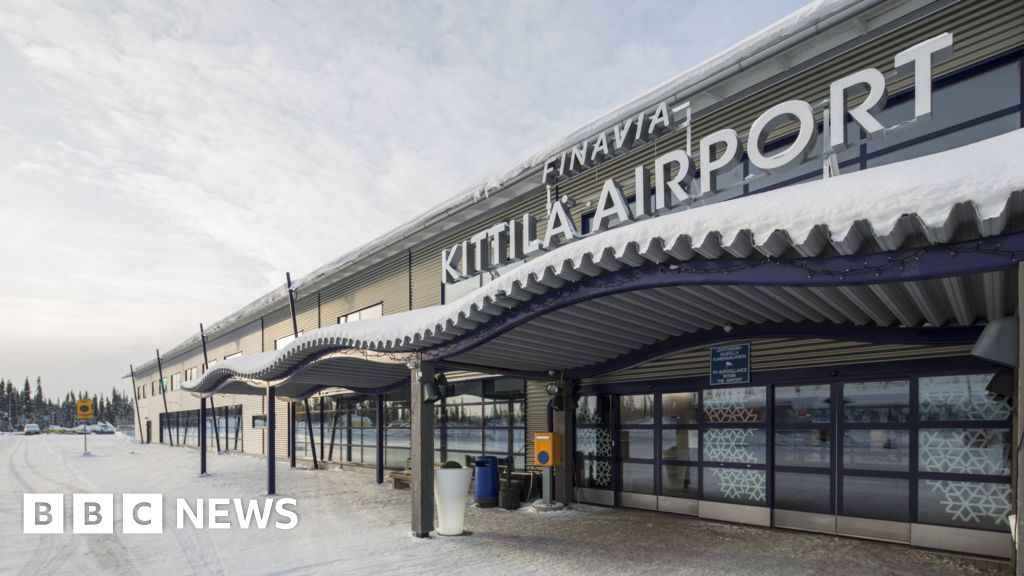
All Sunday departures from Kittila airport to major European cities like London, Paris, and Amsterdam were cancelled. The first flight out on Monday also saw cancellation, with similar disruptions reported since Friday.
As these travel disruptions continue, general readers and news consumers should monitor further weather updates and flight advisories, understanding the broader implications for international travel.
Detailed Analysis
Finland’s Lapland, renowned globally for its pristine winter landscapes, ski resorts, and the ethereal Northern Lights, is currently facing an extraordinary challenge. Typically attracting visitors seeking a quintessential winter experience, the region is grappling with an unusually severe cold snap that has effectively frozen air travel, leaving thousands of tourists in limbo. This situation underscores the delicate balance between natural beauty and the infrastructure required to support tourism, particularly in extreme environments. While Lapland is accustomed to cold and snow, the current temperatures significantly deviate from the average, creating operational hurdles that extend beyond mere inconvenience for travelers.
The immediate and profound impact of this deep freeze centers on Kittila airport, a key gateway to Lapland’s popular ski destinations. On Sunday, temperatures hovered around an alarming -35C, prompting the cancellation of all scheduled departures to major European hubs including London, Bristol, Manchester, Paris, and Amsterdam. The forecast for Monday offered no respite, with Finnish meteorological agencies predicting temperatures to drop even further to -39C, leading to the pre-emptive cancellation of the first outbound flight. The technical difficulties at these extreme temperatures are multifaceted: aircraft de-icing becomes a complex and often ineffective process, while crucial ground equipment for maintenance and refuelling risks freezing solid. Airport operator Finavia further noted to public broadcaster Yle that atmospheric moisture exacerbates the problem, forming treacherous slippery frost.
When viewed against Lapland’s usual climate, the current conditions stand out sharply. While the region, spanning parts of Norway, Sweden, and Finland, is synonymous with cold, Finnish Lapland’s winter average typically hovers around -14C, with occasional dips to -30C. The prevailing -35C to -39C represents a significant and sustained departure from these norms. This exceptional cold is not an isolated incident; it aligns with a broader pattern of wintry conditions and travel disruptions observed across northern Europe. A storm system has concurrently brought significant travel chaos to the UK, France, and Germany, leading to severe outcomes such as a fatality from a falling tree in England and widespread power outages affecting approximately 100,000 homes in France. In Lapland itself, the hazardous road conditions, including icy stretches warned by Fintraffic, were evidenced by a bus carrying Ukrainian passengers veering into a ditch, though fortunately without serious injuries.
For general readers and news consumers, these developments in Lapland and across Europe carry multiple implications. Travelers planning winter trips need to remain highly vigilant regarding weather forecasts and official travel advisories, especially when heading to regions prone to extreme conditions. The incident serves as a stark reminder of the potential for severe weather to disrupt not just air travel but also ground transportation and essential services. Local tourism operators in Lapland face immediate economic challenges due to cancellations and stranded visitors, impacting local businesses relying on seasonal tourism. Moving forward, authorities and airlines will need to focus on efficient communication and logistical support for affected passengers. Monitoring the duration of this extreme cold and the subsequent recovery of travel infrastructure will be key to understanding the full scope of this winter’s impact on India news and current affairs related to international travel today.
About the Author