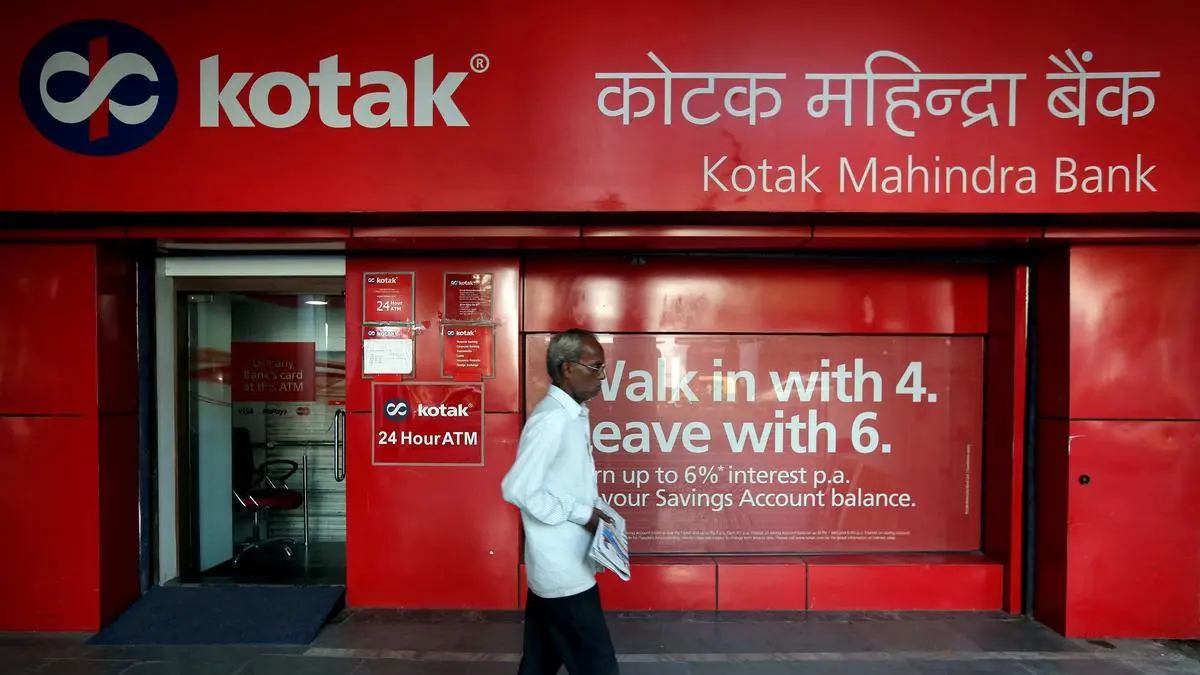
Kotak Mahindra Bank (KOTAKBANK) reported an 11% year-on-year decline in consolidated net profit for Q2 FY2025-26, marking a challenging period. This earnings miss has led to investor concern and a notable dip in its share price, underscoring sensitivity to profitability trends.
Analysts are scrutinizing the underlying causes of this performance, particularly in the context of evolving regulatory and economic conditions impacting the competitive banking landscape.
As of market close on Oct 25, 2025, KOTAKBANK shares saw a decline, with consolidated income falling 7.36% to ₹24,901.39 crore.
This report delves into the implications of the bank’s Q2 earnings.
| Metric | Previous | Current | Change |
|---|---|---|---|
| Consolidated Net Profit | ₹5,020.85 crore | ₹4,468 crore | -11.00% |
| Standalone Net Profit | ₹3,353.61 crore | ₹3,253 crore | -3.00% |
| Consolidated Income | ₹26,880.02 crore | ₹24,901.39 crore | -7.36% |
| Standalone Income | ₹15,900 crore | ₹16,239 crore | +2.13% |
Expert Market Analysis
Kotak Mahindra Bank’s Q2 FY2025-26 earnings reveal an 11% year-on-year decline in consolidated net profit, a significant downturn that warrants careful investor consideration. Historically, such profit dips have preceded periods of increased caution, especially when revenue expansion stagnates or subsidiaries underperform. The bank operates within the dynamic Indian financial sector, which is currently navigating evolving regulatory frameworks and heightened competition. This quarter’s results align with broader macroeconomic headwinds impacting the banking sector, compressing profit margins. The reported figures, particularly the consolidated income’s 7.36% fall to ₹24,901.39 crore, highlight the challenges faced. While standalone net profit showed more resilience with a 3% decrease to ₹3,253 crore, the consolidated performance is a key concern for stakeholders evaluating the bank’s overall health and future prospects.
The analysis of Kotak Mahindra Bank’s Q2 performance must focus on the drivers behind the consolidated figures. The 7.36% reduction in consolidated income suggests a drag from subsidiaries or joint ventures, which is a critical area for investors to scrutinize. While the standalone performance offers a degree of stability, indicating the core banking operations’ resilience, understanding the specific factors affecting consolidated results is paramount. These could include asset quality concerns, slower loan growth, or reduced non-interest income. Evaluating the bank’s provisioning coverage ratio and its non-performing assets (NPAs) is essential for a comprehensive assessment of its balance sheet strength and its capacity to generate sustainable free cash flow, a vital metric for long-term value creation and growth in the evolving financial landscape.
Benchmarking Kotak Mahindra Bank against its peers, such as HDFC Bank and ICICI Bank, reveals a less robust consolidated profit growth trajectory for the current quarter. While these competitors are also navigating market pressures, their greater economies of scale and diversified revenue streams may offer a competitive advantage. The accelerating digital transformation across India’s banking sector positions institutions with significant technology investments and strong customer experience frameworks for superior growth. Regulatory shifts concerning capital adequacy and lending norms are also pivotal, requiring strict compliance while pursuing profitability objectives. Kotak Mahindra Bank’s market share across various banking segments remains a critical indicator of its competitive standing against these industry leaders.
The immediate market reaction of a nearly 3% stock price dip reflects investor sentiment that the earnings miss is more than a transient issue. While some might see this as a potential buying opportunity, particularly given the standalone performance, caution is warranted due to the consolidated results. The short-term outlook for Kotak Mahindra Bank hinges on the management’s transparency regarding corrective actions for subsidiaries and their strategies to revitalize core income growth. Key events to monitor include future quarterly reports and any strategic announcements. Potential risks include further economic slowdowns affecting loan demand and asset quality, while opportunities lie in leveraging its retail franchise and expanding digital offerings for sustained market competitiveness.
Related Topics:
KOTAKBANK Q2 results, Kotak Mahindra Bank stock analysis, Indian banking sector, Consolidated Net Profit decline, Standalone Income growth, BSE KOTAKBANK share price, NSE KOTAKBANK trading, Financial Results India 2025, Stock Market India analysis, KOTAKBANK earnings
About the Author