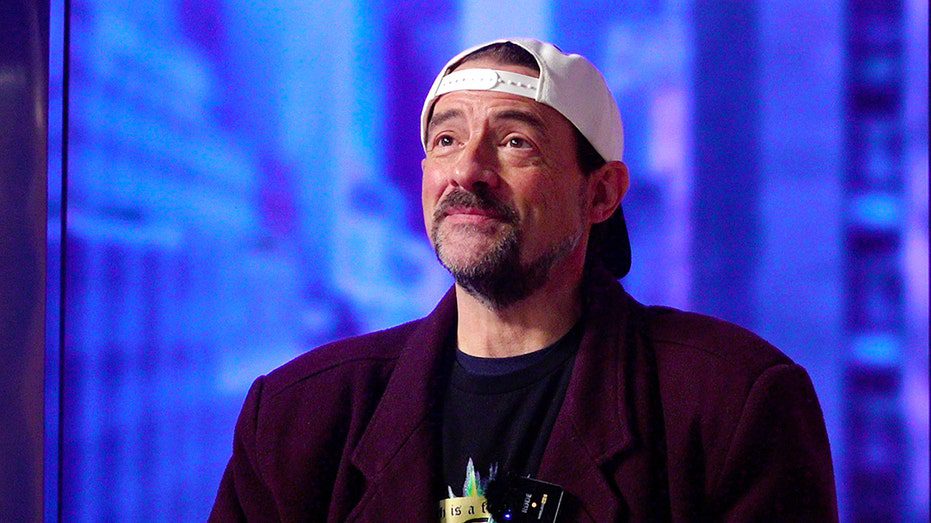
Kevin Smith Stuns: Podcasting Lost Soul in 2026
🔑 KEY TAKEAWAYS
- ✓ Primary fact: Kevin Smith believes podcasting has devolved into political echo chambers, losing its original intimacy.
- ✓ Key Detail: Smith launched “SModcast” in 2007 and considers himself a podcasting pioneer, mentoring other artists.
- ✓ Context: Smith laments that the medium, once a haven for diverse topics, is now dominated by political discourse.
- ✓ What’s Next: Smith continues to produce content and engage with audiences, though his podcasting involvement may evolve.
- ✓ Bottom line: Smith expresses disappointment with podcasting’s shift towards politics, viewing it as a missed opportunity for creative expression.
Director Kevin Smith, a long-time advocate and early adopter of podcasting, has voiced his concerns about the medium’s current state. Smith believes podcasting has largely abandoned its original charm and uniqueness, becoming overly saturated with political content. He sees this shift as a significant departure from the medium’s potential for open and diverse conversations. This evolution, in Smith’s view, transforms podcasting into yet another echo chamber of traditional media.
Smith, who launched “SModcast” in 2007 with Scott Mosier, feels the intimate connection that once defined podcasting has waned. He envisioned a platform where creators could discuss a wide range of topics, including pop culture and film. He is disappointed that political discourse has taken center stage. He recalls thinking podcasting could be anything, a place to discuss anything. Now, Smith elaborates on why he believes podcasting has changed.
Why Does Kevin Smith Think Podcasting Has Lost Its Soul?
Smith believes podcasting’s initial appeal was its intimacy and potential for diverse conversations, free from traditional media constraints. He argues that the influx of political content has transformed it into another form of polarized media, losing its unique character. Smith feels the medium has become a platform for division rather than unity and open dialogue. This has led to his disappointment in the current state of podcasting.
Smith recalls a time when podcasting felt like a new form of radio. It was a place where people could connect on a personal level. Now, he feels it has become more like television, with highly produced shows and a focus on generating revenue. He is concerned that this shift has come at the expense of creativity and originality.
What Prompted Kevin Smith to Start Podcasting?
Inspired by the potential for direct engagement with his audience, Smith launched “SModcast” with Scott Mosier in 2007. He aimed to create a space for unfiltered conversations about film, pop culture, and their personal experiences. Smith embraced podcasting as a way to connect with fans on a more intimate level than traditional media allowed. This gave him a feeling of independence.
Smith saw podcasting as an opportunity for artists to bypass traditional gatekeepers and connect directly with their audience. He encouraged other creators to explore the medium, sharing his knowledge and experience. He wanted to help others find their voice and build a community around their passions. Smith felt that podcasting could be a powerful tool for independent creators.
How Has Podcasting Changed Since Smith’s Early Days?
Smith observes that podcasting has shifted from a niche medium driven by passion to a more commercialized and politically charged landscape. He notes the rise of political podcasts that prioritize division and outrage over constructive dialogue. He criticizes the focus on profit over content quality, lamenting the loss of the medium’s original intimacy and authenticity. This shift is what he finds most disappointing.
In the early days, podcasting was primarily driven by creators who were passionate about their topics. They were willing to invest their time and energy into creating content, even if it didn’t generate a lot of revenue. Now, there is a greater emphasis on monetization and audience growth. This has led to a more competitive and less collaborative environment.
What Does the Future Hold for Podcasting, According to Smith?
While disappointed with the current trend, Smith remains optimistic about podcasting’s potential. He hopes to see a resurgence of content focused on creativity, connection, and diverse perspectives. Smith believes that the medium can still be a powerful force for good, provided creators prioritize authentic engagement over political divisiveness. Smith continues to create content and engage with his audience.
Smith acknowledges the challenges facing the podcasting industry, including the rise of misinformation and the increasing pressure to generate revenue. However, he believes that there is still room for independent creators to thrive. He encourages those who are passionate about podcasting to stay true to their vision and create content that is meaningful and engaging.
Frequently Asked Questions
A: Kevin Smith is well-known for “SModcast,” which he co-hosts with Scott Mosier. It’s a long-running show that has covered a wide range of topics, from film to personal anecdotes, and has helped to establish Smith as a major figure in the podcasting world.
A: Kevin Smith began his podcasting journey in 2007 with the launch of “SModcast.” This venture marked his entry into the medium and solidified his role as an early adopter and influencer in the podcasting space.
A: Kevin Smith expresses strong disapproval of the prevalence of political podcasts. He sees them as a “waste” of the medium’s potential, preferring to see podcasting used for more creative and diverse discussions.
A: Besides podcasting, Kevin Smith is renowned for his work as a filmmaker, actor, and comedian. He is best known for directing cult classic films like “Clerks,” “Mallrats,” and “Chasing Amy,” and has been involved in various other entertainment ventures.
📚 Related Topics on Stock99.in
Explore more entertainment updates:
- Celebrity Interviews
- Indie Film Scene
- Pop Culture Commentary
- Media Industry News
About the Author