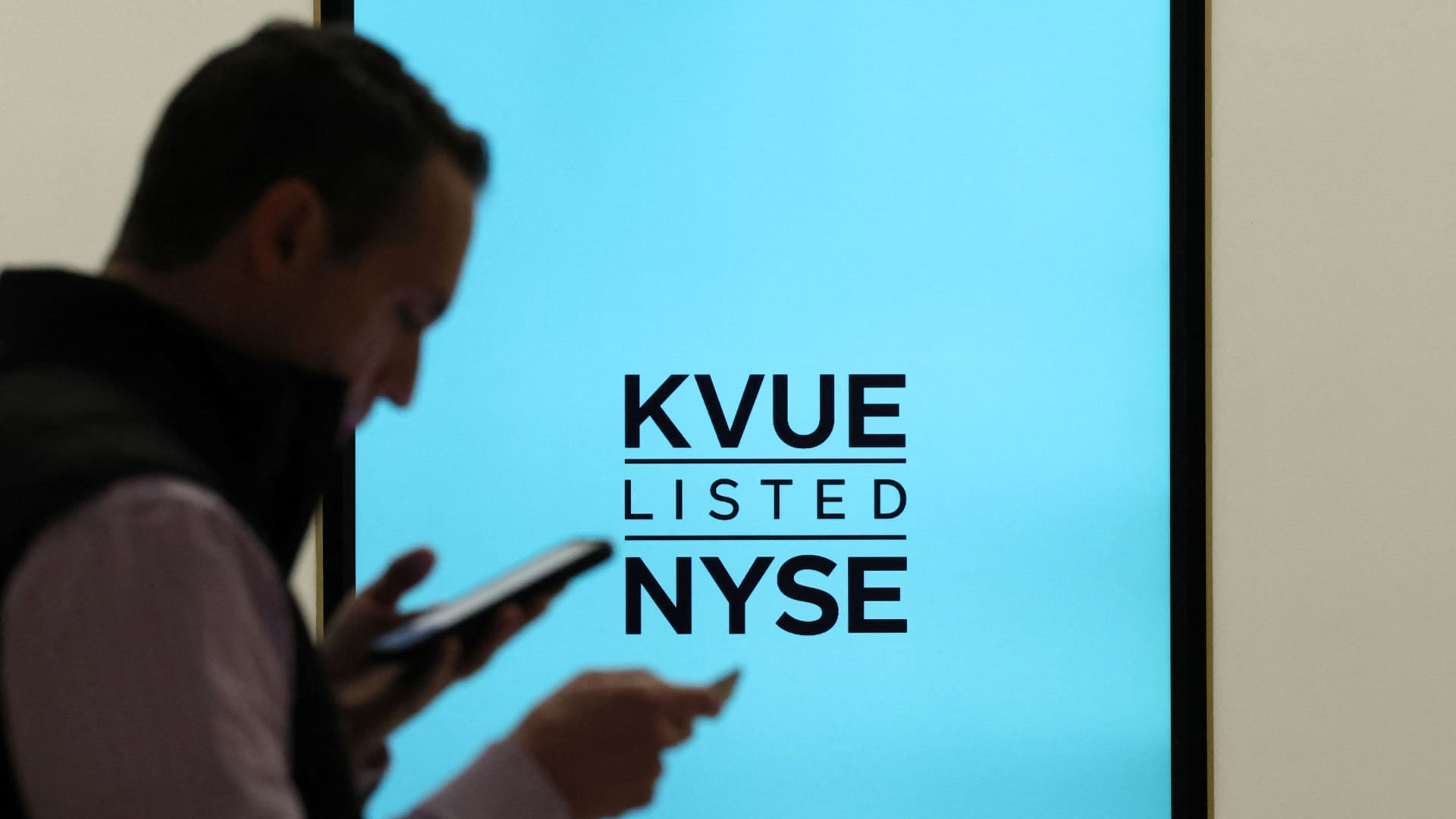
Kimberly-Clark’s$48.7 billionacquisition of Kenvue is set to redefine the US consumer health sector, creating one of the largest entities. This strategic consolidation promises significant growth opportunities through market share expansion.
Analysts are keenly observing the integration’s success and potential synergistic benefits as the two consumer health giants merge, a move with broad market implications.
As of market close today (Oct 25, 2025), Kenvue shares surged 18% premarket, while Kimberly-Clark declined 12.5%, reflecting initial investor sentiment.
Our analysis breaks down the financial implications and strategic outlook.
| Metric | Previous | Current | Change |
|---|---|---|---|
| Kenvue Stock Price (Premarket) | N/A | N/A | +18.0% |
| Kimberly-Clark Stock Price (Premarket) | N/A | N/A | -12.5% |
| Deal Value | N/A | $48.7 Billion | New |
| Expected Combined Annual Revenue | N/A | $32 Billion | Projected |
Expert Market Analysis
The impending acquisition of Kenvue by Kimberly-Clark represents a significant seismic shift within the global consumer health and personal care industry, particularly for the US market. This deal, valued at a substantial $48.7 billion, aims to create a formidable entity with combined annual revenues projected around $32 billion. Historically, such large-scale mergers often trigger a period of intense market readjustment, much like the Procter & Gamble’s acquisition of Gillette in earlier years. Investors and analysts will be scrutinizing the integration process, potential brand synergies, and any immediate impacts on market share dynamics, drawing parallels to past consolidations. The strategic rationale behind this merger appears to be the pooling of complementary brand portfolios and achieving economies of scale in manufacturing, distribution, and marketing efforts, a trend observed across various consumer sectors facing evolving consumer preferences and competitive pressures.
From a fundamental perspective, Kimberly-Clark’s move to acquire Kenvue, a recent spin-off from Johnson & Johnson, is a bold step to enhance its market presence in high-margin consumer health categories. Kenvue, despite facing challenges like litigation risks and leadership scrutiny, boasts a portfolio of trusted brands including Tylenol, Neutrogena, and Listerine. The deal structure, a combination of cash and stock, with Kenvue shareholders receiving $3.50 per share and 0.15 Kimberly-Clark shares, needs careful valuation. The implied per-share deal value of $21.01 is a critical metric. Investors will be looking at the combined entity’s debt-to-equity ratio, free cash flow generation, and the potential for cost synergies. The management’s guidance on achieving these targets will be crucial for future stock performance. Technical analysts will monitor the stock’s movement around key support and resistance levels post-announcement.
In the broader sector context, this acquisition places the combined Kimberly-Clark and Kenvue as a dominant force, challenging established players like Procter & Gamble and Unilever in specific product segments. Kenvue’s recent strategic review and spin-off from Johnson & Johnson highlighted its vulnerability as a standalone entity facing significant legal and operational headwinds. By integrating into Kimberly-Clark’s more diversified and robust business structure, Kenvue’s brands are expected to benefit from greater stability and investment. The regulatory environment for such large mergers typically involves thorough antitrust reviews, which could influence the final terms or even the deal’s completion, a factor that investors must consider.
The market’s reaction, with Kenvue shares up 18% and Kimberly-Clark down 12.5% in premarket trading, reflects a nuanced view of the deal. Retail investors might see opportunity in the consolidation, while institutional investors are likely assessing the long-term value creation potential and integration risks. Key opportunities lie in cross-selling, supply chain optimization, and R&D for innovative product development. However, significant risks include potential culture clashes, execution challenges during integration, and the continued impact of Kenvue’s existing litigation. Price targets for the combined entity will likely be revised by analysts once more details on synergy realization and debt management emerge. Monitoring ongoing legal developments and consumer spending trends will be paramount for informed investment decisions.
Related Topics:
Kimberly-Clark, Kenvue, Kenvue Acquisition, Kimberly-Clark Stock Price, Consumer Health Stocks, US M&A Deals 2025, Market Analysis 2025, Stock Market News
About the Author