Key Takeaways
Julio Iglesias faces serious sexual assault and human trafficking allegations. Discover the unfolding legal drama and its impact on his legacy and the music world.
Overview
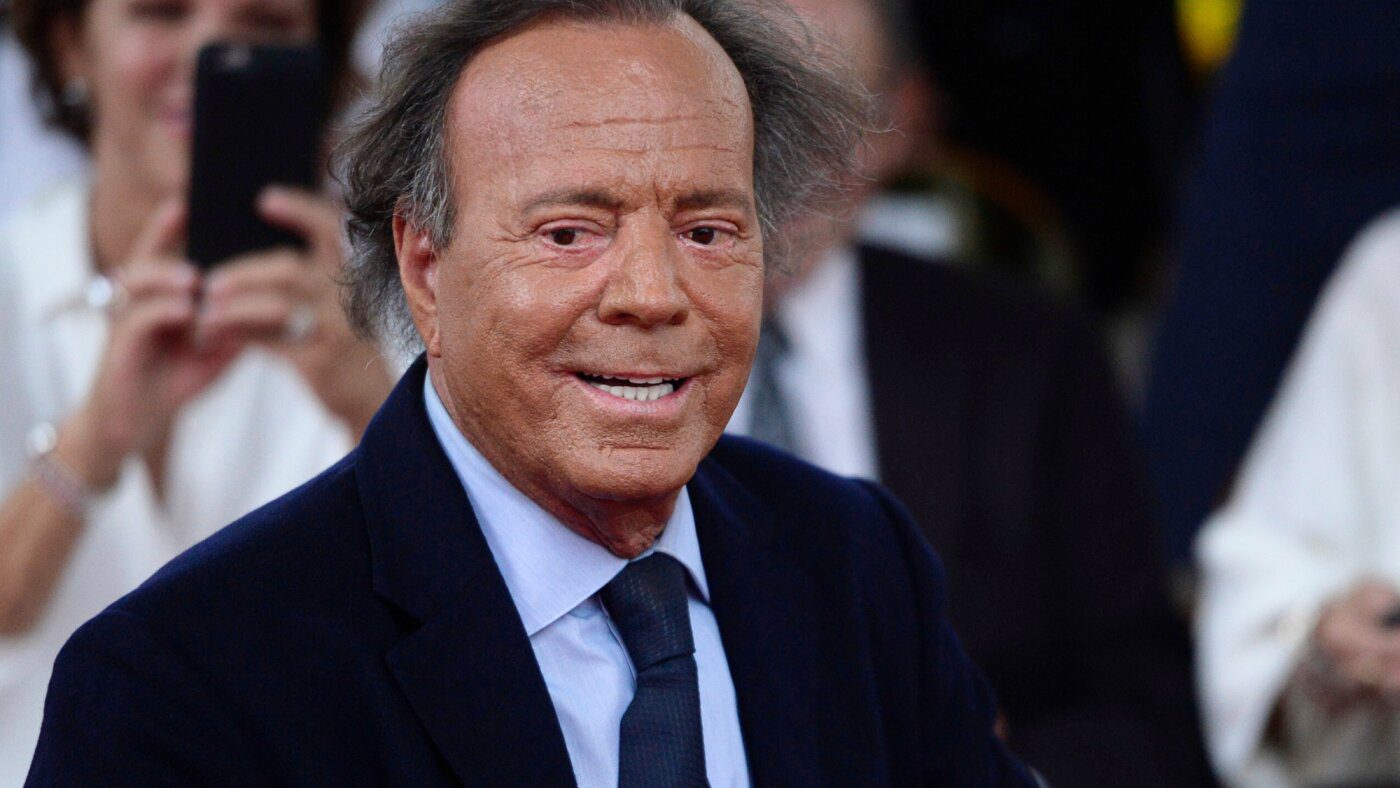
Spanish prosecutors are currently studying serious sexual assault and human trafficking allegations against the iconic Grammy-winning singer Julio Iglesias. This developing story has sent palpable shockwaves through the global entertainment industry, prompting a critical re-evaluation of the celebrated artist’s legacy amidst profound legal questions.
For entertainment enthusiasts and pop culture fans, this news underscores the increasing scrutiny faced by public figures. It highlights how even long-established musical legends are now subject to rigorous accountability, shaping contemporary conversations around celebrity conduct and industry ethics.
The allegations, initially brought to light by elDiario.es and Univision Noticias, involve two former employees. They claim abuses, including forced labor and harassment, occurred between January and October 2021 at Iglesias’s residences in the Dominican Republic and the Bahamas.
As this complex legal and cultural narrative unfolds, the case spotlights the intricate challenges of international legal proceedings for high-profile individuals and the vital role of advocacy groups in seeking justice.
Detailed Analysis
Julio Iglesias, an indelible figure in the global music scene, boasts a career spanning decades marked by immense popularity and critical acclaim. With over 300 million records sold across more than a dozen languages, and accolades including a 1988 Grammy for Best Latin Pop Performance and a 2019 Lifetime Achievement Award, his influence is undeniable. As the father of fellow pop sensation Enrique Iglesias, his name is synonymous with a certain era of charismatic, romantic music. However, this glittering legacy now faces an unprecedented challenge as formal allegations of sexual assault and human trafficking have emerged, forcing the entertainment world to confront a difficult truth about one of its most revered stars.
The current investigation by Spanish prosecutors stems from allegations related to media reports detailing a troubling period between January and October 2021. During this time, two former employees claim they were subjected to sexual and physical assault while working at Iglesias’s residences in the Dominican Republic and the Bahamas. These aren’t merely vague accusations; Women’s Link Worldwide, a prominent nongovernmental organization now representing the two women, has formally presented a detailed complaint to the Spanish court. The organization specifies that the women are accusing Iglesias of ‘crimes against sexual freedom and indemnity such as sexual harassment’ and, perhaps even more alarmingly, ‘human trafficking for the purpose of forced labor and servitude.’
The gravity of the detailed accusations paints a stark picture: the women’s testimony describes being prohibited from leaving the residences, having their cellphones regularly checked, and being compelled to work up to 16 hours a day without a contract or days off. Such conditions, if proven, speak to a severe abuse of power and systematic exploitation. Julio Iglesias has yet to issue a public statement regarding these serious claims, and Russell L. King, an entertainment lawyer listed as a client, did not immediately respond to requests for comment by The Associated Press. This silence leaves a vacuum for speculation, even as the legal process begins to gain momentum, adding another layer of intrigue to an already high-stakes situation for the global pop culture landscape.
The decision by Women’s Link Worldwide to pursue justice through Spain’s legal system is a calculated and significant move. Gema Fernández, a senior attorney at the organization, highlighted that ‘Spanish legislation regarding sexual violence, gender-based violence and trafficking could be an interesting option’ for the women. This strategic choice is driven by a belief that Spanish law offers a more robust framework for addressing their definition of justice, particularly given the jurisdiction of Spain’s National Court to try alleged crimes by Spanish citizens abroad. In contrast, the organization did not reach out to authorities in the Bahamas or the Dominican Republic, and it remains unclear whether those nations have initiated their own investigations. This jurisdictional nuance underscores the global nature of celebrity and the complexities of seeking accountability across borders.
A critical step in the ongoing process has been taken by Spanish prosecutors, who, as confirmed by Jovana Ríos Cisneros, executive director of Women’s Link Worldwide, have decided to take statements from the two women and grant them the status of protected witnesses. Ríos Cisneros emphasized that ‘Being heard by the Prosecutor’s Office is a very important step in the search for justice,’ offering a glimmer of hope for the alleged victims. While a specific date for these statements has not yet been set, prosecutors typically have up to six months, potentially extendable to a year, to determine if the gathered information warrants a criminal prosecution. This timeline means the entertainment world will be watching closely for definitive legal movements throughout 2026. The initial investigation into these allegations, a joint effort by the Spanish online newspaper elDiario.es and Spanish-language television channel Univision Noticias, played a pivotal role in bringing the women’s stories to light and connecting them with legal representation, showcasing the power of investigative journalism in uncovering uncomfortable truths.
The unfolding drama surrounding Julio Iglesias resonates with a broader, evolving narrative within the entertainment industry – one of increased accountability for public figures. This situation parallels recent movements where long-held reputations are being re-examined in the light of historical or newly revealed allegations of misconduct. The industry, particularly in an era amplified by social media and a greater willingness for survivors to speak out, finds itself in a continuous process of recalibrating how it perceives and upholds its stars. For an artist of Iglesias’s stature, whose career has spanned several cultural shifts, this represents a significant moment, highlighting how past conduct can catch up even with the most enduring icons. It underscores a trend where societal values increasingly demand integrity and ethical behavior as a prerequisite for adoration, alongside talent.
The Spanish government’s swift reaction further emphasizes the seriousness with which these allegations are being treated. Government spokeswoman Elma Saiz publicly stated that the media reports ‘demanded respect,’ reaffirming the government’s ‘firm and complete commitment to take on any act of violence, harassment or aggression against women.’ Beyond rhetoric, this commitment could have tangible consequences for Iglesias. Spain’s culture minister, Ernest Urtasun, has confirmed that the left-wing government, which prioritizes women’s rights and equality, is considering stripping Iglesias of his Gold Medal of Merit in the Fine Arts, an honor he received in 2010. Urtasun noted, ‘It is something we are studying and evaluating, because evidently we feel obliged to do so when faced by such a serious case.’ This potential action is a powerful symbolic move, signaling that national honors are not immutable when faced with credible accusations of profound misconduct, reflecting a broader societal trend to re-evaluate how we honor individuals whose actions may contradict public values.
For Entertainment Enthusiasts, Pop Culture Fans, and Music Fans alike, this unfolding story with Julio Iglesias serves as a powerful, albeit somber, reminder that the glitz and glamour of celebrity often conceal complex realities. It challenges fans to grapple with the discomfort of separating the art from the artist, and to understand that the admiration for a musical legend can coexist with the grim reality of serious accusations. The case underscores the critical importance of a robust legal process in navigating these intricate situations, especially when allegations involve such fundamental issues as sexual freedom and human rights. It urges a collective reflection on power dynamics within the entertainment industry and the imperative for safe, equitable working environments for all, irrespective of an artist’s global fame or long-standing legacy.
Moving forward, the primary focus for fans and industry watchers alike will be on the Spanish prosecutors’ decision, anticipated within the six to twelve-month window. This determination will be a pivotal moment, shaping the immediate future of this case and potentially setting precedents for how international legal systems address allegations against global celebrities. The entertainment sector, from Bollywood to Hollywood, is keenly observing how this situation impacts not only Iglesias’s personal and professional standing but also the broader conversation surrounding celebrity accountability and the protection of vulnerable individuals within the industry. This ongoing dialogue will undoubtedly contribute to a more nuanced understanding of fame and justice in the years to come.
About the Author