Key Takeaways
Three men convicted for harassing BBC journalist Catrin Nye. This ruling reinforces judicial protection for press freedom against intimidation tactics.
Overview
In a significant legal development underscoring the importance of press freedom, three individuals linked to the Lighthouse group have been found guilty of harassing BBC journalist Catrin Nye. This verdict from Stratford Magistrates’ Court sends a clear message regarding the boundaries of protest and the protection afforded to investigative journalism, a critical pillar for informed public discourse in any robust democracy.
The ruling carries substantial implications for News Readers, Policy Watchers, Informed Citizens, and Political Analysts alike, highlighting the judicial system’s role in safeguarding journalists from intimidation. It directly addresses concerns over journalist safety when reporting on sensitive or controversial subjects, an issue of growing prominence globally and within India Politics.
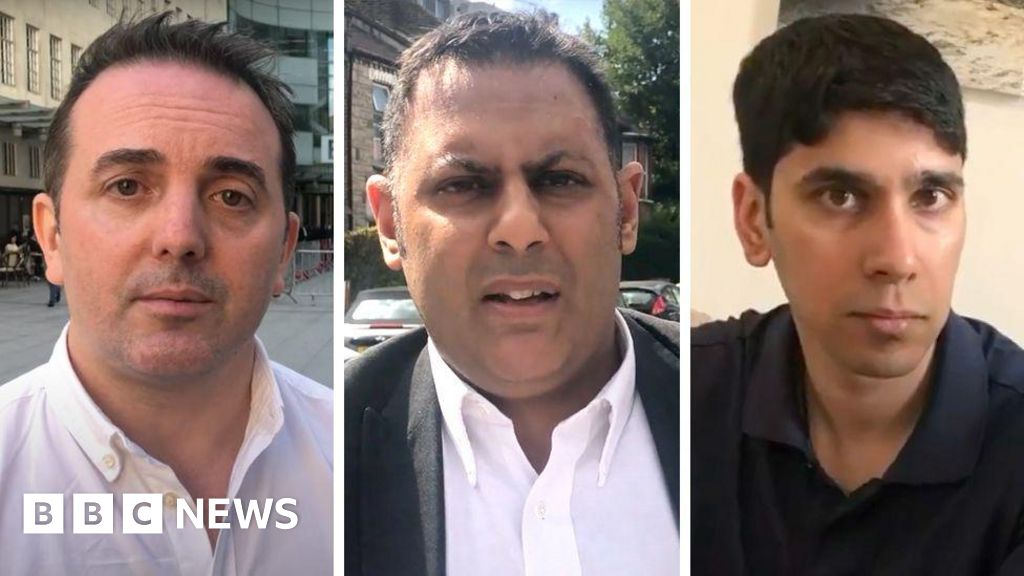
Kristofer Deichler, 47, Jatinder Kamra, 46, and Sukhraj Singh, 39, all members of Lighthouse, were convicted of harassment without violence. Their actions included demonstrations outside the BBC and repeated visits to Nye’s home in the summer of 2024, described by the prosecution as “revenge” for her journalism.
The case sets a crucial precedent, emphasizing accountability for actions intended to silence critical reporting. Observers will now keenly await the sentencing scheduled for February 2, to understand the full judicial response to such conduct.
Detailed Analysis
The conviction of three individuals for harassing BBC journalist Catrin Nye marks a critical juncture in the ongoing debate surrounding press freedom and the safety of reporters globally. This case, though situated within the UK’s judicial system, resonates deeply with the challenges faced by journalists in various political landscapes, including India, where the balance between public scrutiny and individual rights is consistently tested. Historically, the act of investigative journalism, particularly when delving into controversial organisations or figures, has often invited retaliatory measures. This verdict serves as a contemporary reinforcement of the legal frameworks designed to protect those who report in the public interest, drawing a definitive line between legitimate protest and unlawful harassment. The events unfolded after Nye fronted the 2023 documentary and podcast, “A Very British Cult,” which raised significant concerns about the Lighthouse group and its alleged treatment of members seeking to leave. The group’s complaints began even before broadcast, illustrating a pre-emptive attempt to suppress reporting, evolving from media outreach to direct, personal intimidation. The evolution of this conflict underscores the increasing vulnerability of journalists in an era where digital tools can easily be weaponised for harassment, blurring the lines between online dissent and targeted aggression.
Detailed analysis of the court proceedings reveals the specifics of the harassment, which escalated from public demonstrations outside the BBC’s offices in central London to direct intimidation at Nye’s private residence. Kristofer Deichler, Jatinder Kamra, and Sukhraj Singh were found to have conducted these activities, including turning up at Nye’s home multiple times in the summer of 2024, purportedly to deliver a Bible and a letter. They also posted leaflets to neighbours and staged demonstrations nearby. Evidence presented in court indicated that Lighthouse had hired a private investigator to ascertain Nye’s home address, transforming what might have been considered free speech into a targeted, personal attack. Judge Susan Holdham explicitly categorised these visits as “intimidatory as well as retaliatory,” affirming that the conduct crossed the threshold into illegal harassment. The defendants claimed to be acting as “citizen journalists” in a “David versus Goliath” struggle, seeking “justice, compensation, reform and truth” through what they termed an attempt to produce their own documentary. However, the court rejected this defence, emphasizing the severe psychological impact on Nye and her family, leading her to describe herself as “paranoid” and unwilling to leave home with her children, even for short trips. The prosecutor, Simren Singh, precisely articulated that while protests outside the BBC were lawful, the line was decisively crossed when visits to Nye’s home began, characterising them as “revenge” for her journalism. This distinction between legitimate public protest and private harassment is central to the court’s findings.
Comparing this incident to broader trends, the case underscores a worrying global pattern of increasing threats and intimidation against journalists. While the methods may vary, from online trolling and smear campaigns to physical harassment at homes and workplaces, the underlying objective—to silence critical reporting—remains constant. This judicial outcome provides a valuable precedent, delineating the responsibilities of public figures or organisations under scrutiny, and reinforcing the protections afforded by harassment laws. In many democracies, including those with robust legal systems like India, debates persist over how best to protect journalists without unduly impinging on freedom of expression. This verdict offers a tangible example of legal recourse available when intimidation tactics exceed acceptable limits. It highlights the judiciary’s capacity to uphold the principles of a free press, even when faced with organized efforts to discredit or intimidate reporters. The ruling therefore contributes significantly to the international discourse on media safety and the operational environment for investigative journalism. It stands as a robust legal affirmation that the pursuit of a story, particularly one concerning public interest, should not come at the cost of a journalist’s personal safety and peace of mind. The BBC spokesperson’s statement, welcoming the verdicts and emphasizing that “A free and independent press is fundamental to a democratic society, and it is essential that journalists are able to carry out their work without intimidation, harassment or abuse,” further solidifies the institutional support for such legal action, providing a necessary counter-balance to groups seeking to bypass accountability.
For News Readers, Policy Watchers, Informed Citizens, and Political Analysts, the conviction serves as a vital reminder of the constant vigilance required to maintain a truly free press. It illustrates how judicial bodies can act as a crucial check against attempts to stifle media scrutiny, thereby impacting public information access. From a policy perspective, this case reinforces the existing legal frameworks designed to protect individuals from harassment, particularly when their professional duties expose them to public backlash. It also ignites discussions on whether specific enhancements to journalist protection laws are needed, especially concerning the use of private investigators to obtain personal addresses and the coordination of sustained personal harassment. The medium-term ripple effects could involve heightened awareness among media organisations regarding reporter safety protocols and a clearer understanding among activist groups of the legal boundaries governing protest and direct action. The long-term implications point towards strengthening the institutional resolve to defend journalistic integrity against various forms of pressure, a constant challenge for governments and judicial systems worldwide, including in India Politics. This ruling also contributes to a broader public discourse on media literacy, helping citizens distinguish between fair criticism and malicious intimidation. The upcoming sentencing on February 2 will be a key event to monitor, as it will indicate the full judicial response to such acts of intimidation. Ultimately, this outcome bolsters the democratic principle that accountability extends to those who attempt to subvert the media’s indispensable role in uncovering and reporting facts, ensuring that the pursuit of truth remains unhindered by fear or coercion.
About the Author