Key Takeaways
US Federal Reserve Chair Jerome Powell faces a criminal investigation. Explore the alleged political motives, implications for central bank independence and rule of law.
Overview
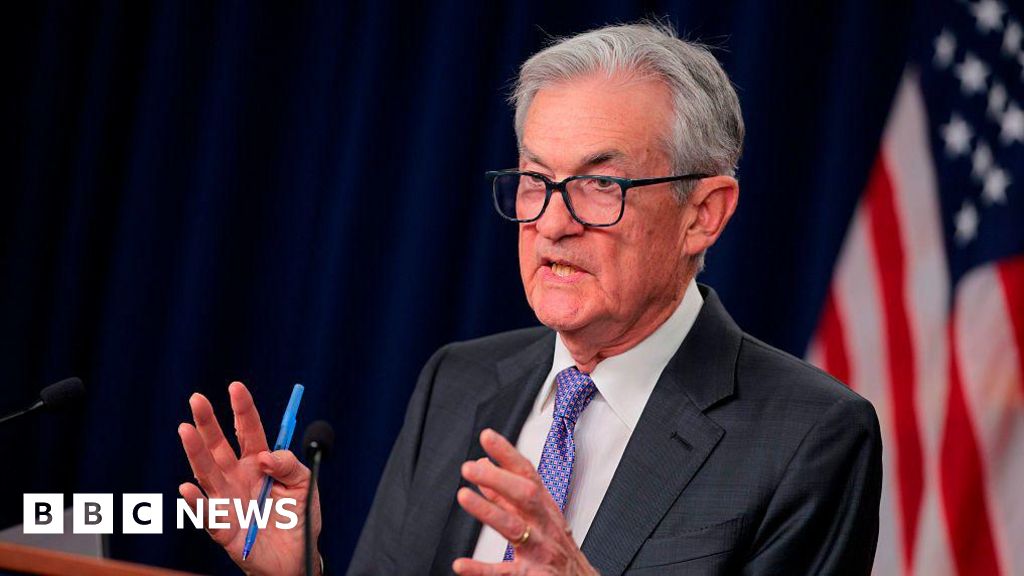
In an unprecedented development for US politics, Federal Reserve Chairman Jerome Powell announced Sunday that federal prosecutors have opened a criminal investigation into him. This probe, which Powell himself described as “unprecedented,” raises significant questions about the independence of key government institutions.
This investigation into the US Fed Chair is critical for News Readers, Policy Watchers, Informed Citizens, and Political Analysts as it touches upon the delicate balance of power, the integrity of the Justice Department, and the autonomy of monetary policy setting.
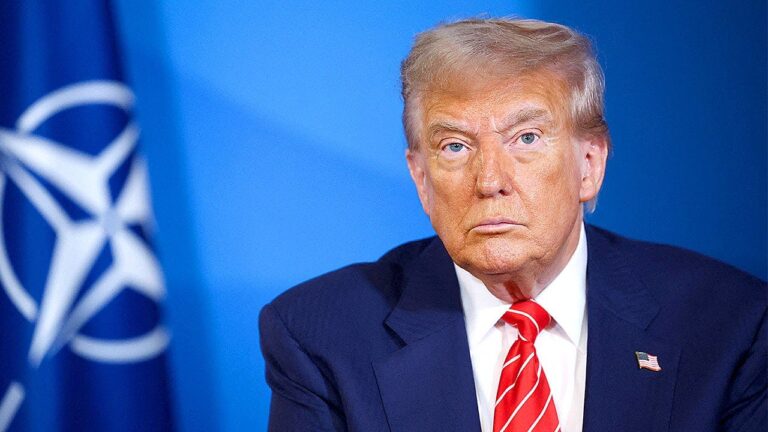
Powell stated the US Justice Department served subpoenas and threatened a criminal indictment over his testimony to a Senate committee regarding Federal Reserve building renovations. He believes the probe stems from his refusal to lower interest rates, which drew President Donald Trump’s ire in 2025.
The unfolding situation demands close attention as it could redefine the boundaries between political administration and independent economic policymaking, highlighting key aspects of governance in the United States.
Detailed Analysis
The initiation of a criminal investigation against a sitting Federal Reserve Chairman marks a truly extraordinary moment in US politics and economic governance. Historically, the Federal Reserve has operated with a degree of independence from direct political pressure, a principle deemed crucial for effective monetary policy. This latest development challenges that longstanding tradition, echoing concerns about the broader context of the administration’s actions towards independent agencies. The underlying tension between President Trump’s desire for lower interest rates and the Fed’s evidence-based approach to monetary policy has been a recurring theme, now escalating to a criminal probe. This situation warrants a balanced political analysis, considering the historical context of central bank autonomy and the potential implications for stakeholder confidence in governance.
At the core of the investigation are allegations related to testimony given by Jerome Powell to a Senate committee concerning renovations to Federal Reserve buildings. While the specific details of the alleged impropriety have not been fully disclosed in the initial reports, Powell’s public statement points to a deeper political undercurrent. He explicitly connected the probe to his past decisions on interest rates, suggesting it was a direct consequence of refusing to yield to President Trump’s repeated public pressure. Powell emphasized that this is fundamentally about whether monetary policy will be guided by economic conditions or by political intimidation, highlighting the critical juncture faced by the institution. The serving of subpoenas and the threat of criminal indictment underscore the seriousness of the Justice Department’s action, irrespective of the stated motivations.
This incident fits into a broader pattern where officials who have come into conflict with President Trump subsequently faced scrutiny from the US Justice Department. Senator Thom Tillis, a Republican member of the Senate Banking Committee, articulated significant concerns, stating he would oppose any nomination for Powell’s replacement until the legal matter concludes. Tillis’s remarks underscore the perception that the independence of the Federal Reserve is at stake, and perhaps more critically, the credibility of the Department of Justice. This comparison to previous administrations’ interactions with independent bodies reveals a trend where political dissent may be met with legal challenges, adding a layer of complexity to the separation of powers and checks and balances within the US federal government. [Suggested Matrix Table: Comparison of past high-profile investigations related to government officials under different administrations, detailing the official, alleged reason, and outcome/status if such historical data were available in the source.]
For News Readers, Policy Watchers, Informed Citizens, and Political Analysts, this situation presents multiple critical areas to monitor. Firstly, the progression of the criminal investigation into Chairman Powell will be paramount, including any official charges or dismissals. Secondly, the reactions from across the political spectrum, particularly within the US Congress and the Senate Banking Committee, will shed light on the perceived integrity of the Federal Reserve and the Justice Department. Thirdly, the broader implications for the independence of central banks globally, and specifically the future conduct of monetary policy in the US, remain a significant policy implication. This development could set a precedent for future interactions between political administrations and independent federal agencies, influencing governance and the rule of law for years to come. Citizens should watch for how this unfolds, as it impacts the fundamental tenets of governmental accountability and institutional autonomy.
About the Author