Key Takeaways
Iran protests trigger global market concerns. Analyze ripple effects on oil prices, currency volatility, and investment strategy for 2026. Stay informed.
Overview
Ongoing protests and severe economic instability in Iran present significant geopolitical risks, directly impacting global markets and crude oil prices. The rial’s sharp fall and soaring 40% inflation underscore the deep-seated economic challenges driving widespread unrest, which investors worldwide, including those monitoring the Stock Market India, must carefully assess for potential ripple effects.
For Retail Investors and Finance Professionals, understanding the volatile situation in a major oil-producing nation is crucial for informed investment and trading decisions. Geopolitical tensions inherently introduce uncertainty, influencing commodity markets and overall investor sentiment globally.
Key metrics signaling this crisis include the Iranian rial sinking to a record low against the US dollar, alongside an alarming 40% inflation rate. These factors have led to crippling price increases for essential goods.
This analysis delves into the economic catalysts behind the protests, the authorities’ response, and how potential US actions or further sanctions could shape the immediate and long-term investment landscape for various asset classes.
Detailed Analysis
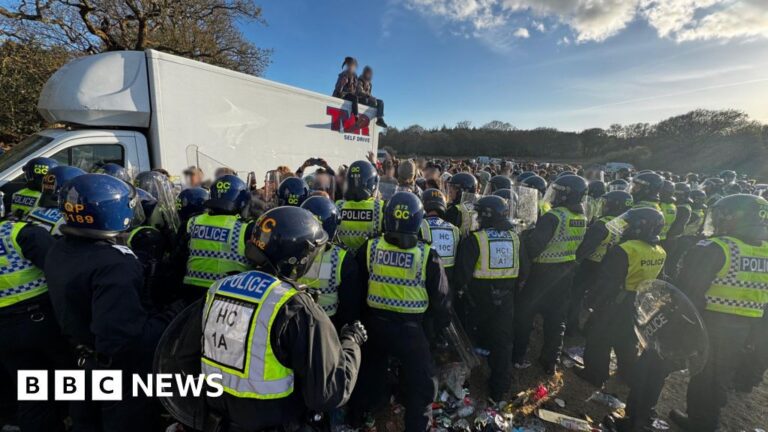
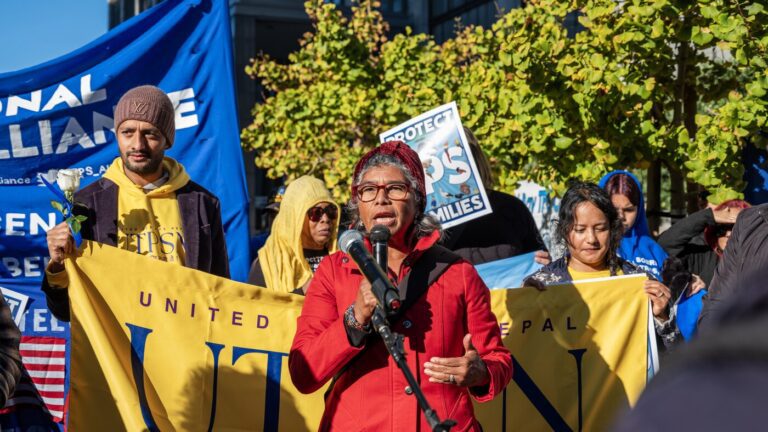
The current wave of protests sweeping across Iran, initiated by shopkeepers on December 28 over the dramatic devaluation of the rial against the US dollar, quickly escalated into broader calls for political change. This unrest is deeply rooted in severe economic distress, characterized by an unprecedented 40% inflation rate and crippling price rises for everyday necessities. Compounding these domestic issues are international sanctions over Iran’s nuclear program, coupled with persistent government mismanagement and corruption, which have substantially weakened the economy. This volatile mix creates a high-stakes scenario, prompting market participants to re-evaluate geopolitical risk premiums, particularly in energy markets and emerging market investments.
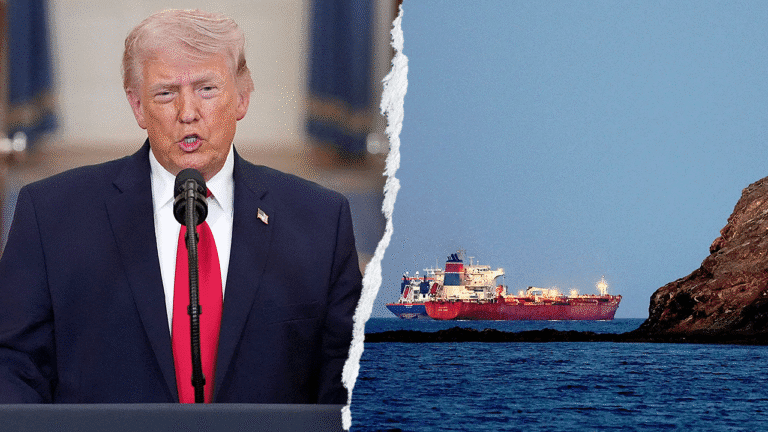
From an investment perspective, the economic drivers of Iran’s instability are critical. The Iranian rial’s record low valuation indicates severe currency depreciation, a common precursor to widespread social unrest, which can deter foreign investment and disrupt trade flows. The 40% inflation rate directly erodes consumer purchasing power, fueling dissatisfaction and escalating the probability of sustained protests. Authorities’ harsh crackdown, reportedly involving live ammunition and mass arrests, suggests a high level of state-sponsored risk, potentially leading to further international condemnation and tighter sanctions. US threats of ‘very strong options,’ including potential military action, increased sanctions, or cyber-weapons, introduce an unpredictable element. Such escalations could significantly impact global crude oil supply, driving price volatility and affecting inflation outlooks worldwide, with direct implications for sectors sensitive to energy costs, including logistics, manufacturing, and even the broader Indian investment landscape.
Comparing this situation to historical geopolitical flashpoints reveals a pattern where instability in oil-rich regions often triggers spikes in crude prices and a flight to safety in global equity markets. The 1979 Iranian Revolution, for instance, led to a substantial increase in oil prices and global economic disruption. While the current situation has not reached that scale, the potential for supply chain interruptions and heightened political risk for corporations operating in or with ties to the Middle East remains a concern. Furthermore, any aggressive US action or further sanction implementation could see a sustained rise in the global risk premium for oil, making energy-exporting nations’ assets more attractive while potentially dampening demand for emerging market equities, including those on the NSE and BSE, if capital flows shift to perceived safer havens.
For Retail Investors, Swing Traders, and Long-term Investors, monitoring the evolving situation in Iran requires a nuanced approach to risk management. Key indicators to watch include statements from international bodies, updates on crude oil benchmarks (like Brent and WTI), and any new sanction announcements. Swing traders may find opportunities in energy futures or related ETFs during periods of heightened volatility, while long-term investors should consider the broader geopolitical risk when constructing diversified portfolios, potentially adjusting allocations in sectors sensitive to oil price shocks or Middle Eastern stability. Finance professionals must assess the implications for global supply chains, inflation forecasts, and central bank policy responses to energy price surges. The absence of specific verifiable financial data from Iran itself, due to internet blackouts and restrictions, further complicates direct analysis, emphasizing the need to focus on global market reactions as primary signals.
About the Author