Key Takeaways
Iran’s 2026 internet blackout reveals urgent tech challenges. Explore innovation in decentralized communication, digital rights, and cybersecurity solutions for startups.
Overview
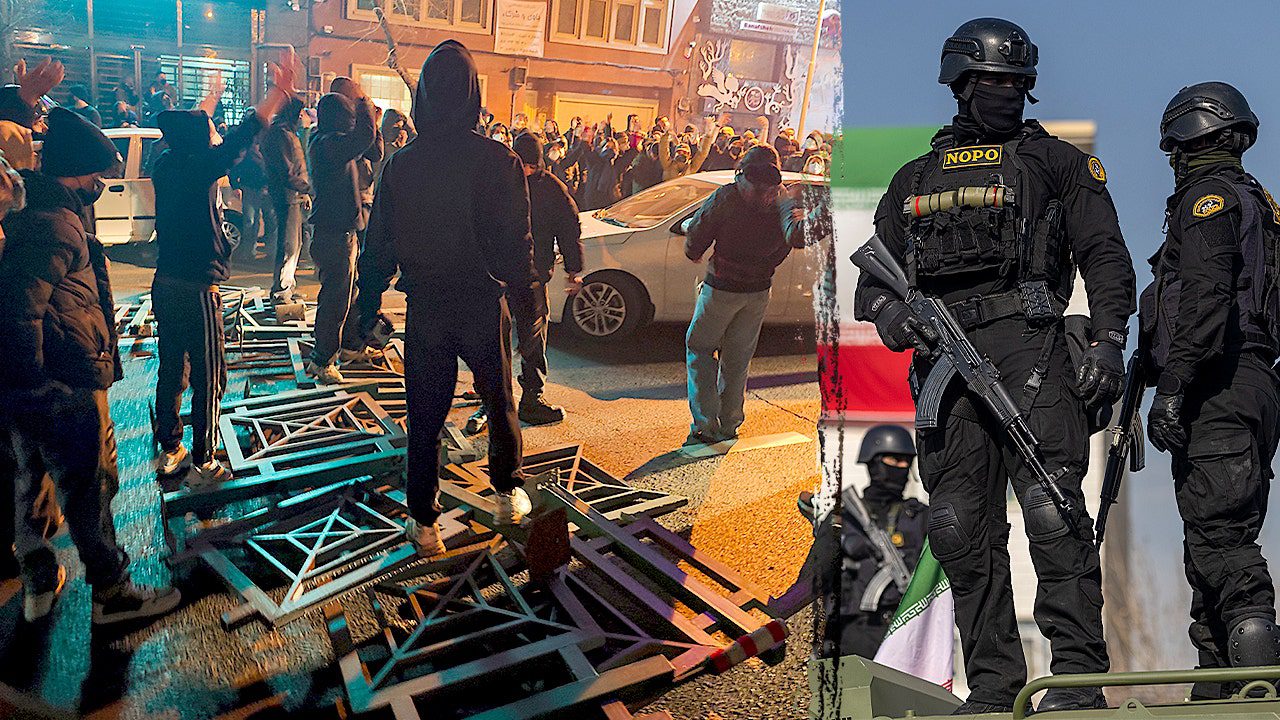
Iran’s internet blackout on January 8, 2026, during widespread protests, marks a pivotal moment in the global struggle against digital suppression. This severe digital intervention, which reportedly preceded an escalation to live ammunition, underscores technology’s dual role in modern societies—as both a tool for collective action and a mechanism for control. For Tech Enthusiasts, Innovators, and Startup Founders, this event highlights critical vulnerabilities in centralized digital infrastructures.
The incident serves as a stark, real-world case study demanding immediate attention to digital rights, censorship resistance, and the urgent development of resilient, decentralized communication solutions. Innovations in software and hardware capable of operating in adverse environments become paramount, shaping the future of connectivity.
Prior to the blackout, a doctor reported treating pellet shotgun injuries; post-blackout, the nature and number of gunshot wounds, including those from heavy machine guns, dramatically changed. This direct correlation reveals the profound impact of communication cessation.
Understanding these events is crucial for Technology India, informing the design of future-proof communication platforms and underscoring the critical intersection of tech and human rights. We delve into the technical implications and future innovation pathways this scenario presents.
Key Data
| Communication Aspect | Before Jan 8, 2026 (Pre-Blackout) | After Jan 8, 2026 (Post-Blackout) |
|---|---|---|
| Internet Connectivity | Functional (potentially throttled/filtered) | Nationwide Blackout (Severed) |
| Primary Injury Type Reported | Pellet Shotgun Injuries | Gunshot Wounds (Live Ammunition, Heavy Machine Guns) |
| Information Dissemination | Internal/External Information Flow Possible | ‘Information Vacuum’ (Digital Isolation) |
Detailed Analysis
The internet, once hailed as an unassailable bastion of free expression and organizational prowess, designed with a decentralized ethos, now faces an evolving and sophisticated threat from state-level digital authoritarianism. The coordinated imposition of communication blackouts, particularly those observed in Iran around January 8, 2026, starkly reveals a potent capability to undermine this foundational principle. The sequence of events is crucial for Tech Enthusiasts and innovators: initial protests commenced on December 28, 2025, reaching a critical inflection point on January 8 with widespread communication cutoffs. This was reportedly followed by a rapid escalation to heavy weaponry use from January 9, signaling a troubling new phase in digital control. This context necessitates a profound re-evaluation of how connectivity can be engineered to be truly censorship-resistant, fostering open access even under extreme pressure. The challenge extends beyond merely providing internet access; it involves ensuring that access remains viable and effective when central authorities actively attempt to sever it. This directly prompts urgent conversations about digital sovereignty and the fundamental architecture of the global internet, requiring future-focused innovation in secure, resilient platforms.
A granular tech analysis of these events underscores the critical relationship between digital infrastructure and civil liberties. The doctor, whose firsthand account provides chilling detail after fleeing the country, described a dramatic shift in the nature of injuries following the nationwide internet blackouts on January 8, 2026. Initially, wounds were primarily from pellet shotguns, indicative of non-lethal crowd control. However, after the communication cutoff, the situation drastically changed. From approximately 8:10 to 8:20 pm, sounds of bullets, gunfire, screams, and sporadic explosions filled the air. Upon arrival at the hospital, the doctor observed a complete alteration in the type and volume of gunshot wounds. These new injuries suggested the use of live ammunition and heavy machine guns, such as DShKs and PK machine guns, reportedly deployed by IRGC units. The doctor explicitly noted, “The calls I received on my home phone for medical advice were no longer about pellet wounds. People were saying they had been shot, with bullets entering one side of the body and exiting the other. Live ammunition.” This chilling, direct correlation between the cessation of communication and an alarming increase in severe, lethal injuries illustrates the dual function of information flow: not only for protest coordination but also as a vital deterrent against unchecked state violence. For startup founders focused on secure communication, grasping this precise sequence of events—from initial unrest to digital suppression and subsequent escalation of physical violence—is paramount. It directly informs the exact technical specifications, robust encryption standards, and resilient network designs required for tools intended to operate in high-stakes environments, prioritizing not just data privacy but the physical safety of users through consistent, verifiable information dissemination even during network shutdowns. The profound challenge lies in architecting software and hardware that is not easily detectable, disableable, or traceable by state actors, pushing the boundaries of innovation in network decentralization, local mesh networking, and satellite connectivity.
Comparing Iran’s comprehensive internet blackout to other instances of digital suppression reveals a worrying global trend in the strategic deployment of technology for control. While specific data on other global occurrences are not disclosed in the source, the pattern of communication disruption preceding or accompanying heightened state action is a recurring motif across various regions. This scenario differentiates itself significantly from mere internet throttling, which only reduces bandwidth, or targeted content filtering, which selectively blocks specific websites or platforms. A full, nationwide internet blackout, such as that reported on January 8, represents a far more drastic and absolute measure. It effectively severs all external information flows and internal coordination capabilities, creating a complete ‘information vacuum’ that profoundly alters the dynamics of public assembly and protest. This was starkly observed in Isfahan, where blood-littered streets were reported following the severing of communication lines. From a nuanced tech perspective, this tactic directly pits the centralized control capabilities of Internet Service Providers (ISPs) against the fundamental principles of open access and internet freedom. It vividly highlights the acute vulnerability of populations heavily reliant on national internet infrastructures controlled by single or a limited number of state-aligned entities. Innovators in Technology India should meticulously analyze these events to develop software and hardware solutions specifically designed to bypass such centralized choke points. This includes, but is not limited to, the design of advanced mesh networking protocols that enable devices to communicate locally and securely without depending on external internet gateways, or the seamless integration of low-orbit satellite communication capabilities directly into everyday gadgets as a robust failsafe. The future trajectory of global connectivity is increasingly defined not solely by speed and bandwidth, but by inherent resilience, redundancy, and an unwavering commitment to fostering a digital environment where communication is minimally susceptible to political interference. This critical dynamic also exerts considerable pressure on international tech firms to meticulously reassess their operational strategies in markets where such suppression risks are prevalent, influencing crucial decisions regarding investment, product localization efforts, and the delicate balance between compliance with local laws versus upholding global ethical standards of connectivity and human rights.
For Tech Enthusiasts, Innovators, Early Adopters, Developers, and Startup Founders, the harrowing events in Iran present both a profound ethical challenge and a significant call to action for the global tech community. The immediate and undeniable implication is the critical need for developing robust, censorship-resistant communication technologies. This includes a vigorous investment in, and the rapid development of, decentralized autonomous networks (DANs), alongside secure end-to-end encrypted messaging platforms engineered to function effectively offline through sophisticated mesh networks. Leveraging emerging satellite internet services to provide alternative, unblockable connectivity channels also stands as a top priority. Startup Founders in Technology India, particularly within the AI and Innovation sectors, should actively explore how artificial intelligence can be deployed to automatically detect network disruptions, provide automated alternative routing pathways, or even assist in the clandestine creation of ‘dark networks’ for essential communication during state-sponsored blackouts. The risk factors are unequivocally clear: a continued dependence on centralized digital infrastructure leaves entire populations acutely vulnerable to digital oppression, directly impacting fundamental human rights and severely curtailing the ability to disseminate critical information. However, this adversity simultaneously catalyzes unprecedented opportunities for groundbreaking innovation. Monitoring the continuous development of open-source projects specifically focused on digital resilience, tracking investment trends in secure communication startups, and observing international policy debates on internet freedom will serve as crucial metrics for progress. The future unequivocally demands that technological innovation prioritizes not merely convenience and efficiency, but also the fundamental right to communicate, thereby ensuring that technology serves as an unwavering tool for empowerment rather than a mechanism for suppression. The events of January 2026 in Iran starkly underscore that the battle for information flow is increasingly a technological one, urging the global tech community to lead decisively in developing enduring solutions that uphold digital integrity and human connectivity.
About the Author