Key Takeaways
Iran protests elevate geopolitical risk, impacting crude oil prices and global markets. Analyze volatility, investment strategies, and long-term implications for 2026.
Overview
The escalating unrest in Iran, marked by widespread protests and significant state repression, introduces considerable geopolitical risk into global financial markets, impacting commodities like crude oil and potentially influencing broader equity sentiments across the Stock Market India.
Retail investors, swing traders, and finance professionals monitor such developments closely for their ripple effects on global supply chains, inflation outlooks, and currency stability, crucial for informed investment and trading decisions on the NSE and BSE.
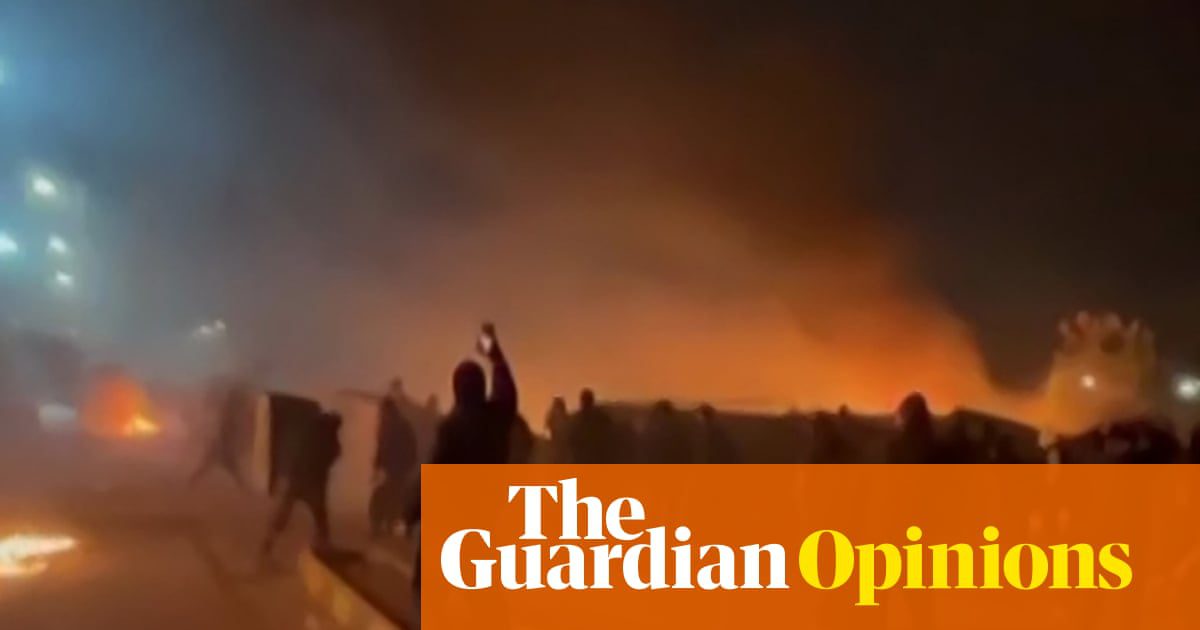
The source details an unprecedented communication blackout, an estimated 6,000 deaths, and a significant deployment of coercive state apparatus, reflecting the severity of the challenge to the Iranian regime.
This analysis will delve into the short-term market reactions, medium-term economic implications, and long-term strategic shifts for investment portfolios.
Detailed Analysis
The persistent internal strife in Iran, a critical oil-producing nation, serves as a significant bellwether for global geopolitical risk premium, directly influencing commodity markets and investor sentiment across emerging economies. Historical patterns, evidenced by repeated cycles of protests since 2009, underscore a chronic state of political fragility within the Islamic Republic. Each wave, from 2017 to the current 2026 unrest, stems from deep-seated economic grievances such as collapsing currency and rampant inflation, evolving into outright rejection of the regime. For investors, this recurring instability translates into elevated uncertainty regarding crude oil supply, potentially driving price volatility and impacting energy sector stocks globally, including those traded on the NSE and BSE. The regime’s consistent response of repression rather than reform suggests a high-risk environment for any future economic engagement or stability, creating prolonged uncertainty for financial analysis.
The current Iranian protests escalate existing geopolitical risks due to the regime’s extreme response and the strategic importance of the region. The state’s unprecedented communication and internet blackout, coupled with the deployment of its full coercive apparatus and estimated 6,000 deaths, signals a regime prioritizing survival over stability. This creates an environment of significant information asymmetry, challenging market participants to accurately price in risk and execute precise trading strategies. For global commodity markets, particularly crude oil, such opacity can trigger supply anxiety and sharp price fluctuations, directly affecting futures contracts. Moreover, the regime’s consistent framing of dissent as an external conspiracy, especially following the June 2025 Israel-Iran conflict, heightens regional tensions. This confluence of internal repression and external blaming elevates the risk of broader regional conflict, directly impacting the energy sector, global trade routes, and thus Indian markets.
The trajectory of Iran’s internal struggle bears an unsettling resemblance to the economic isolation and extreme repression seen in Saddam Hussein’s Iraq. This historical parallel suggests a potential future for Iran as an inward-looking state increasingly reliant on fear rather than economic reform or international engagement. From an investment perspective, such a path implies prolonged geopolitical risk premiums for crude oil, potentially maintaining higher price floors for benchmark crudes like Brent and WTI. While direct investment by Indian entities in Iran remains limited due to sanctions, the indirect impact on India’s economy and Stock Market via imported inflation and trade route instability is significant. Finance professionals should analyze how this scenario contrasts with other emerging market economies that have successfully transitioned towards reform, noting the stark divergence in long-term growth potential and foreign direct investment appeal. The lack of an organized internal opposition, as per the source, further exacerbates this outlook, limiting prospects for a stable political pathway. [Suggested Line Graph: Brent Crude Price Volatility during Middle East Geopolitical Events (2009-2026)]
For retail investors and swing traders, the unfolding situation in Iran necessitates heightened vigilance over global crude oil prices and related energy stocks on the NSE and BSE. Short-term volatility can present opportunities, but risks are substantial given the rapid shifts in geopolitical sentiment. Long-term investors, particularly those with exposure to emerging markets or energy-intensive sectors, must factor in a sustained geopolitical risk premium into their investment decisions. The source suggests Iran’s leadership faces declining legitimacy and economic collapse, indicating continued internal and external pressures. Finance professionals should monitor official statements from global powers and OPEC regarding oil production, alongside indicators of regional military tensions and their impact on global financial analysis. While direct investment options in Iran are constrained, the indirect impact on global inflation, supply chain stability, and capital flows into safer havens cannot be overlooked. The certainty of future unrest, absent radical reform, demands a robust risk management framework for diversified portfolios.
About the Author