📈 India Market Outlook
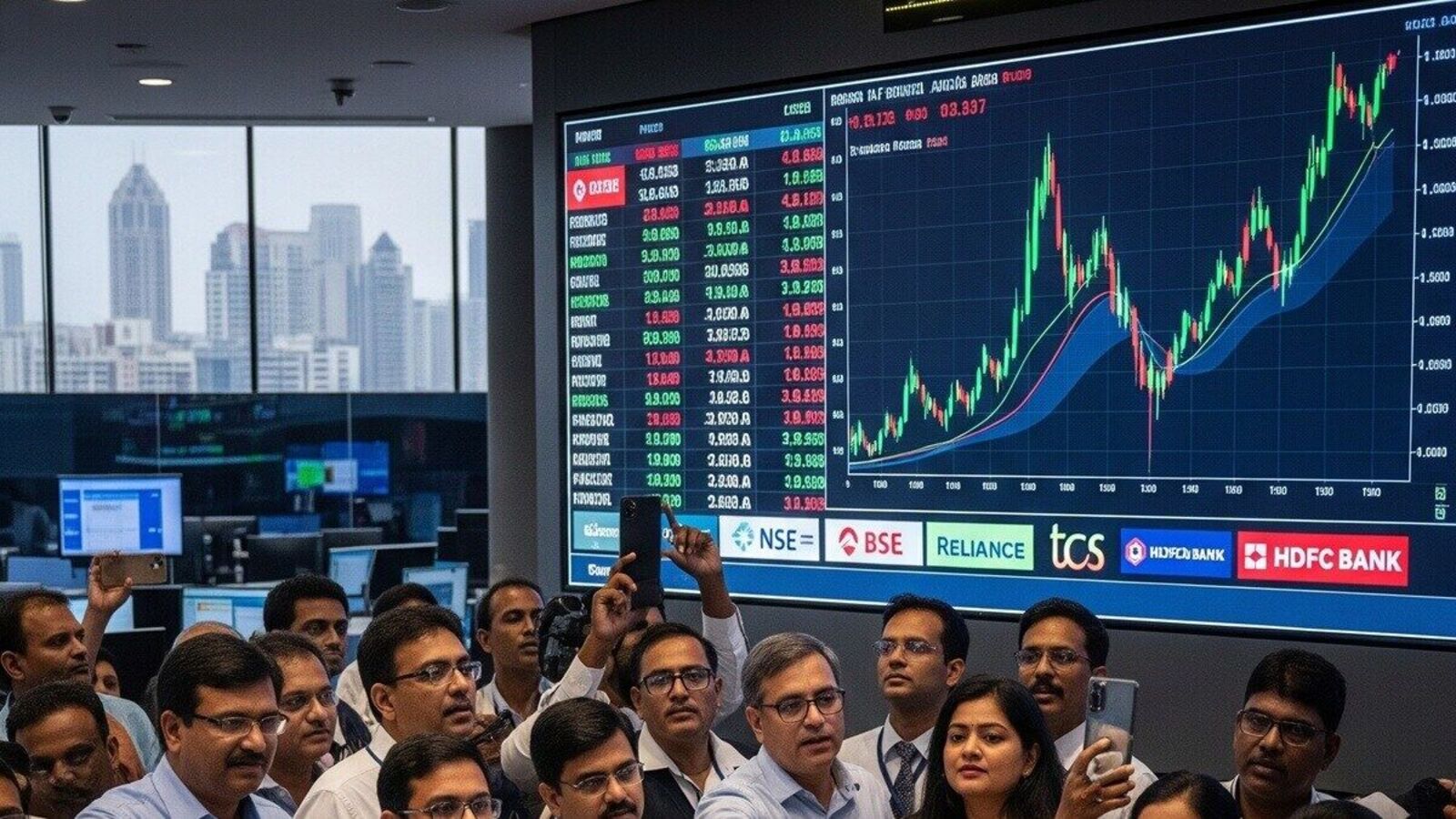
The Indian stock market, with Sensex and Nifty at 52-week highs, faces a truncated trading week due to Diwali. Investors will closely monitor five key factors: evolving news on US tariffs and potential India-US trade deals, crucial Q2 earnings from heavyweights like Reliance, HDFC Bank, and ICICI Bank, sustained FII flows, the rupee’s movement against the dollar, and the upcoming US September CPI inflation prints. These elements are expected to significantly influence Dalal Street’s trajectory, impacting sectors driven by consumption, realty, healthcare, and banking, and setting the tone for investor confidence amid global and domestic cues.
The Indian equity market currently exhibits robust momentum, having achieved 52-week highs, largely propelled by encouraging Q2 results and a resurgence in FII flows. This positive investor sentiment is further bolstered by a weakening dollar, indirectly aiding the rupee. The coming week, although shortened by Diwali holidays, presents several pivotal catalysts that will shape the market’s direction. While domestic Q2 earnings, particularly from banking and consumption sectors, remain crucial for stock-specific action, global factors like US-China tariff news and potential India-US trade agreements hold significant sway over overall market sentiment and foreign capital inflows.
Furthermore, the rupee’s stability, supported by RBI intervention, could facilitate more FII investments, contributing to a stronger Indian equity market outlook. The US CPI inflation data is another critical external factor, as it will influence expectations regarding the US Federal Reserve’s rate decisions, thereby impacting global liquidity and emerging market appeal. A sustained market rally will depend on a confluence of these domestic strengths and favorable global economic conditions, carefully balancing growth prospects with inflation concerns. Investors should monitor these interdependent factors closely for insights into India’s economic resilience.
About the Author